


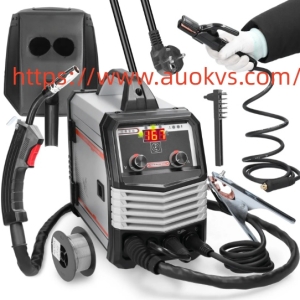
Metalworking often involves tasks that cannot be completed conveniently at a fixed workstation. Repair technicians may need to work beside installed machinery, while fabricators may assemble frames or reinforce metal structures in different areas of a workshop. In these situations, a Portable Handheld Welder can help bring welding capability closer to the workpiece, reducing unnecessary movement and making certain jobs easier to organize. Its practical value depends on more than portability alone, because material compatibility, operating control, equipment construction, and workplace conditions all influence how effectively it supports everyday work.
Material selection deserves careful attention when evaluating welding equipment. A machine's enclosure, internal components, cables, connectors, and welding accessories each contribute to its overall usability. A well-constructed housing helps protect internal parts during normal handling, while durable cable insulation supports repeated movement around work areas. Connectors should fit securely, and frequently handled components should be designed for routine workshop use. Buyers should also distinguish between the materials used to construct the machine and the metals they intend to join. Steel, stainless steel, and other metals may require different welding processes, consumables, preparation methods, and operating practices.
Choosing suitable equipment begins with understanding the work rather than focusing on appearance or portability alone. Buyers should consider whether the machine will mainly support occasional repairs, fabrication projects, maintenance activities, or regular production work. The intended metal types, joint configurations, available power supply, and working environment all influence the decision. It is also important to identify which welding process is appropriate. Manual metal arc welding, gas metal arc welding, and gas tungsten arc welding serve different purposes and involve different operating requirements. Matching the process to the application helps avoid purchasing equipment that is convenient to carry but unsuitable for the actual task.
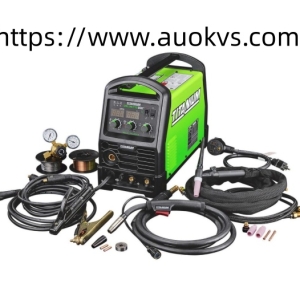
Technology influences how accessible and manageable welding operations feel. Inverter-based equipment uses electronic power conversion to support a compact machine design, while control systems help regulate welding output according to the machine's capabilities. Depending on the model and process, useful functions may include arc-start assistance, anti-stick features, thermal protection, or controls that help operators maintain a consistent working approach. These features should be evaluated in relation to real tasks rather than treated as a checklist of benefits. Clear instructions, understandable controls, and appropriate protective functions can make equipment easier to integrate into established workshop procedures.
The user experience is shaped by the relationship between the machine, its accessories, and the person operating it. A portable unit should be practical to carry, position, connect, and store. Handle placement, control accessibility, cable flexibility, and the arrangement of connectors can affect comfort during repeated use. A machine that is easy to transport but awkward to position may create unnecessary frustration during maintenance work. Buyers should also consider how accessories are organized and whether consumables can be replaced conveniently. Good organization helps reduce interruptions, keeps work areas more orderly, and allows operators to focus on preparing joints and maintaining safe welding practices.
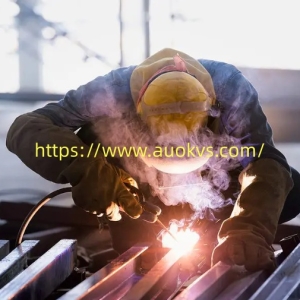
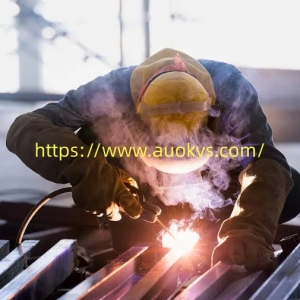
Safety and maintenance remain essential regardless of how small or mobile a welding machine may be. Operators need suitable eye and face protection, appropriate clothing, effective ventilation, and a work area cleared of combustible materials. The equipment should be inspected according to its instructions, with particular attention to cables, connectors, insulation, and signs of damage. Ventilation openings should remain unobstructed, and the machine should be used within its stated operating conditions. Buyers benefit from understanding the availability of replacement accessories, technical guidance, and after-sales support before making a purchasing decision. These practical considerations can influence equipment usability throughout its service life.
Design also affects how welding equipment fits into a professional environment. A compact body can make storage easier, while a clearly arranged control panel helps users identify important settings without unnecessary confusion. Durable surface finishes can support routine handling, and a balanced layout can improve portability without making the machine difficult to position. Visual simplicity is most useful when it serves a functional purpose: controls remain recognizable, connection points are easy to locate, and the overall structure supports straightforward inspection. For distributors and equipment brands, consistent product appearance and packaging can also contribute to a coherent range that is easier to present and manage.
Taizhou ChuangLi Electronic Technology Co., Ltd. manufactures welding equipment for household and industrial applications, including manual arc, MIG, TIG, and inverter welding machines. Its product range and OEM and ODM services provide a relevant starting point for buyers and distributors comparing equipment categories, product configurations, and customization possibilities. Businesses can discuss their intended applications, preferred product presentation, and market requirements when evaluating potential solutions. To explore the company's welding equipment and available product options, visit https://www.auokvs.com/product/