

A sudden wave of dizziness can make walking, working, or even turning your head feel difficult. For people in Winnipeg experiencing recurring vertigo, identifying the cause is an important step toward finding appropriate treatment.
Vestibular migraine and inner ear disorders can both affect balance and cause dizziness. However, they differ in their underlying mechanisms, associated symptoms, and treatment approaches. Understanding these differences can help you recognize symptom patterns and communicate more effectively with healthcare professionals.
Although their symptoms sometimes overlap, neither condition should be diagnosed through symptoms alone. A careful assessment helps determine what may be causing the dizziness and which treatment options could provide relief.
What Is a Vestibular Migraine?
Vestibular migraine is a neurological condition that causes episodes of vertigo or other vestibular symptoms. It can occur in people with a history of migraines, even when a headache is absent during an episode.
Symptoms may last from several minutes to hours, and some episodes continue longer. People may experience:
- A spinning sensation or dizziness.
- Sensitivity to light or sound.
- Nausea or vomiting.
- Visual discomfort or sensitivity to movement.
- Headaches during some episodes.
Certain movements, visual patterns, stress, poor sleep, and hormonal changes may trigger symptoms. However, triggers vary between individuals, and some episodes occur without an obvious cause.
Vestibular migraine can interfere with concentration, daily activities, and confidence when moving around. Because symptoms may resemble other vestibular conditions, professional assessment is important.
What Are Inner Ear Disorders?
The inner ear contains structures that help the brain interpret head movement and maintain balance. When these structures malfunction, a person may experience vertigo, unsteadiness, or difficulty coordinating movements.
Several inner ear conditions can cause these symptoms, including:
- Benign paroxysmal positional vertigo (BPPV): Displaced calcium crystals trigger brief spinning sensations during specific head movements.
- Ménière's disease: This condition can cause recurring vertigo, fluctuating hearing loss, tinnitus, and pressure in the affected ear.
- Vestibular neuritis: Inflammation affecting the vestibular nerve can cause sudden, prolonged vertigo and balance difficulties.
- Labyrinthitis: Inflammation involving the inner ear can cause vertigo and may also affect hearing.
These conditions differ in their causes, symptoms, and treatment requirements. Accurate diagnosis helps determine whether medication, specific repositioning manoeuvres, or rehabilitation may be appropriate.
Key Differences Between Vestibular Migraine and Inner Ear Disorders
Although both conditions can cause dizziness, several symptom patterns may help clinicians distinguish between them.
|
Feature |
Vestibular migraine |
Inner ear disorders |
|
Main symptoms |
Vertigo, motion sensitivity, nausea |
Vertigo, imbalance, sometimes hearing changes |
|
Headaches |
May occur, but are not always present |
Not typically the defining symptom |
|
Hearing changes |
Usually not a defining feature |
Common in some conditions, such as Ménière's disease |
|
Triggers |
May include stress, sleep changes, and sensory stimulation |
May include specific head positions or inner ear dysfunction |
|
Episode duration |
Minutes to hours, sometimes longer |
Seconds to prolonged episodes, depending on the condition |
These differences are general patterns rather than definitive diagnostic rules. For example, head movements can aggravate vestibular migraine, while certain inner ear conditions cause dizziness without obvious positional triggers.
How Vestibular Physiotherapy Can Help
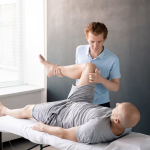
Vestibular physiotherapy uses targeted exercises and rehabilitation techniques to address dizziness, balance difficulties, and movement-related symptoms. It may benefit people with vestibular disorders when recommended following an appropriate assessment.
For individuals experiencing persistent dizziness in Winnipeg, treatment may focus on improving balance, reducing motion sensitivity, and helping the brain adapt to changes in vestibular input.
A physiotherapist may recommend:
- Gaze stabilization exercises: Help improve visual stability during head movements.
- Balance training: Develop stability during standing, walking, and everyday activities.
- Habituation exercises: Gradually reduce sensitivity to specific movements that trigger symptoms.
- Positional manoeuvres: Treat BPPV by guiding displaced inner ear crystals back toward their appropriate location.
Treatment depends on the underlying condition and individual symptoms. Vestibular rehabilitation does not replace medical assessment, particularly when the cause of dizziness remains unclear.
People with vestibular migraine may also benefit from rehabilitation when balance problems or motion sensitivity persist between episodes. However, exercises must be selected carefully because overly challenging activities can temporarily worsen symptoms.
When Should You Seek Medical Assessment?
Recurring dizziness deserves attention, particularly when it interferes with daily activities or occurs alongside other symptoms.
Consider seeking medical advice if you experience:
- Repeated episodes of vertigo or unexplained dizziness.
- New hearing changes, tinnitus, or pressure in one ear.
- Persistent imbalance or difficulty walking.
- Dizziness accompanied by recurring headaches or light sensitivity.
- Symptoms that worsen or fail to improve.
Seek emergency medical care for sudden dizziness accompanied by difficulty speaking, facial drooping, weakness, double vision, or a severe, unusual headache. These symptoms may indicate a stroke or another serious condition.
A healthcare professional can review your symptoms, medical history, hearing, balance, and eye movements. Further testing may be needed to distinguish vestibular migraine from inner ear disorders.
Finding the Right Approach to Dizziness Management
Vestibular migraine and inner ear disorders can produce similar symptoms, but their causes and treatment approaches differ. Recognizing symptom patterns and obtaining an accurate assessment can help guide appropriate care.
If dizziness or balance difficulties are affecting your daily life, United Therapies Rehab Centre in Winnipeg offers rehabilitation services, including physiotherapy, to support functional recovery. Their multidisciplinary team emphasizes individualized, evidence-informed care based on each client's needs. Contact them to discuss your symptoms and whether physiotherapy may be appropriate for your recovery.
Frequently Asked Questions
How can I tell whether my dizziness is caused by vestibular migraine or an inner ear problem?
Vestibular migraine may involve motion sensitivity, nausea, and light sensitivity, with or without headaches. Inner ear disorders may cause positional vertigo or hearing changes. A healthcare professional must assess symptoms to determine the likely cause.
Can vestibular migraine occur without a headache?
Yes, vestibular migraine can cause vertigo, dizziness, and motion sensitivity without a headache during an episode. A history of migraine and other characteristic symptoms can help clinicians identify the condition. Diagnosis requires assessment of relevant criteria.
Which inner ear disorder causes dizziness when turning over in bed?
Benign paroxysmal positional vertigo (BPPV) commonly causes brief spinning sensations when turning over in bed, looking upward, or changing head positions. It occurs when displaced calcium crystals affect inner ear balance signals. Specific repositioning manoeuvres can often treat it.
How long can vestibular migraine episodes last?
Vestibular migraine episodes can last from five minutes to 72 hours. Duration varies between individuals, and symptoms may include vertigo, nausea, or motion sensitivity. Recurrent episodes should be evaluated to confirm the diagnosis and guide treatment.
When should dizziness be treated as a medical emergency?
Seek emergency care when sudden dizziness occurs with facial drooping, weakness, difficulty speaking, double vision, or a severe unusual headache. These symptoms can indicate a stroke or another serious condition. Do not assume they result from an existing vestibular disorder.