
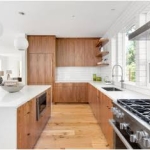





A kitchen should provide enough storage for everyday essentials while remaining comfortable and pleasant to use. Cabinets help achieve this balance by organizing cookware, creating space for food supplies, and contributing to the room's overall appearance. Choosing a suitable kitchen cabinet design requires more than selecting attractive doors or colors. It involves understanding the room's dimensions, planning storage carefully, and choosing materials that suit the household's needs. With a well-organized approach, homeowners can create a kitchen that looks inviting and supports daily activities.
Start With Accurate Measurements
Measurements are the foundation of a successful cabinet project. Before comparing styles, record the width and height of each wall, the ceiling height, and the position of windows, doors, and existing connections.
Appliance dimensions are equally important. Refrigerators, ovens, dishwashers, and range hoods need suitable spaces, and their doors must open without interfering with nearby cabinets.
Check the corners and wall surfaces as well. Older homes may have uneven walls or floors, which can affect how cabinets fit together. If the room has unusual angles or complicated plumbing, professional measurements can help reduce installation problems.
Keeping a written measurement sheet makes it easier to compare cabinet sizes and identify potential conflicts before ordering.
Choose a Layout That Supports Daily Activities
Different kitchen layouts suit different rooms. A straight-line arrangement can work well in a compact space, while an L-shaped layout can provide useful countertop space along two adjoining walls. A U-shaped kitchen may offer additional storage when the room has enough width.
The most suitable option depends on how people move through the kitchen. Consider the relationship between the sink, refrigerator, cooking area, and main preparation surface.
Try to keep frequently used items near the places where they are needed. For example, pans can be stored close to the stove, while dishes may be easier to access near the dishwasher. These small choices can make everyday tasks feel more organized.
Make Storage Work for Different Items
Not everything belongs on a standard shelf. Cookware, utensils, food containers, cleaning products, and pantry supplies have different storage requirements.
Deep drawers can hold pots and pans, while shallow drawers are useful for cutlery and cooking tools. Adjustable shelves offer flexibility for bottles, mixing bowls, and containers of varying heights.
Create a Useful Pantry Area
A dedicated pantry cabinet can keep dry ingredients and packaged foods together. Grouping similar products makes it easier to find what you need and notice when supplies are running low.
Store frequently used ingredients at a comfortable height and reserve higher shelves for items used occasionally. If the kitchen is small, a tall cabinet may provide additional storage without taking up much extra floor space.
Organize Corner Cabinets
Corner cabinets can become difficult to use when items are pushed toward the back. Depending on the available dimensions, a rotating shelf, pull-out organizer, or straightforward shelf arrangement may improve access.
Before selecting specialized hardware, compare its cost and storage capacity with simpler alternatives. A basic cabinet can work perfectly well when it is planned around the items that will be stored inside.
Select Cabinet Doors for Your Preferred Style
Cabinet doors establish much of the kitchen's visual character. Their shape and finish can complement the rest of the home or create a distinctive contrast.
Flat-panel doors suit homeowners who prefer clean lines and minimal decoration. Shaker-style doors offer a framed appearance that works with many traditional and contemporary interiors. Glass-front doors can display dishes and glassware, provided the shelves remain organized.
Consider maintenance when making your choice. Smooth fronts are generally straightforward to wipe clean, while detailed grooves may require extra attention to remove cooking residue.
It is also worth checking how doors open in relation to walls, appliances, and neighboring cabinets. A well-chosen style should look good while allowing comfortable access.
Compare Materials Before Making a Decision
Cabinet construction influences durability, cost, and maintenance. Common materials include plywood, particleboard, medium-density fiberboard, and solid wood. Each has different characteristics, and the finished result depends on the construction methods and protective finish.
Painted doors can provide a uniform appearance, while wood finishes introduce natural grain and texture. Laminate surfaces are another option for homeowners seeking a particular color or pattern.
When comparing products, ask about the cabinet box material, door construction, edge protection, finish, and warranty. Pay particular attention to cabinets near the sink and dishwasher, where moisture may affect exposed edges.
Request physical samples when possible. Seeing a finish beside your flooring and countertop can help you judge whether the colors and textures work well together.
Find a Color Combination That Fits the Room
Cabinet color affects the overall feeling of a kitchen. White, cream, and pale gray can create a bright appearance, while darker shades such as navy, charcoal, or forest green add depth.
Natural wood tones can introduce warmth and pair well with neutral countertops. For a more varied look, some homeowners choose one color for upper cabinets and another for lower cabinets.
Try to coordinate the cabinet finish with the flooring, backsplash, walls, and countertop rather than treating each element separately. Too many competing patterns or colors can make the room feel busy.
Lighting also matters. A shade may look different in a bright showroom than it does in a kitchen with limited daylight. Test samples under the lighting conditions you expect to use most often.
Don't Overlook Hardware and Lighting
Hinges, handles, and drawer slides influence how cabinets perform every day. Good-quality hardware can help doors close properly and drawers move smoothly.
Choose fittings suited to the size and expected weight of each cabinet. Soft-close hinges and drawer slides may reduce slamming, while comfortable handles can make frequently used storage easier to access.
Lighting should be planned alongside the cabinetry. Upper cabinets can create shadows on countertops, particularly near the sink and food preparation area. Under-cabinet lighting can improve visibility and make the workspace more comfortable.
Plan electrical connections and fixture positions before installation. This helps avoid awkward wiring or lighting that conflicts with cabinet shelves.
Keep the Budget Realistic
A cabinet project may involve costs for cabinet boxes, doors, hardware, delivery, installation, trim, and countertop adjustments. Plumbing or electrical changes can increase the total if the layout is being altered.
Start by identifying your essential requirements. Practical storage, reliable construction, and accurate measurements are generally more important than decorative additions that provide little everyday benefit.
Ask suppliers for itemized estimates and compare the specifications carefully. Make sure the quoted price clearly explains what is included, particularly installation and delivery.
If existing cabinets are structurally sound, updating the doors or hardware may be worth considering. However, units with significant moisture damage or weakened construction may require replacement. Setting aside some money for unexpected repairs is sensible when working with an older kitchen.
Maintain Cabinets With Simple Habits
Routine maintenance can help cabinets remain attractive and functional. Wipe spills promptly with a soft cloth and use a cleaning product suitable for the finish. Avoid abrasive materials and excessive moisture, which may damage surfaces or exposed edges.
Inspect the area beneath the sink regularly and address leaks quickly. Check hinges and handles occasionally, tightening loose fittings when necessary.
Keeping shelves organized also makes the kitchen easier to maintain. Store commonly used items where they are easy to reach and remove products or equipment that no longer serve a purpose.
Conclusion
A successful cabinet project brings together careful measurements, practical storage, suitable materials, and a style that complements the home. By considering daily routines before selecting finishes, homeowners can create a kitchen that uses space efficiently and remains comfortable to work in.
Take time to compare layouts, confirm dimensions, and review hardware and installation requirements before ordering. Thoughtful planning can help avoid common mistakes and create a kitchen that continues to meet household needs over time.