
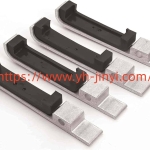




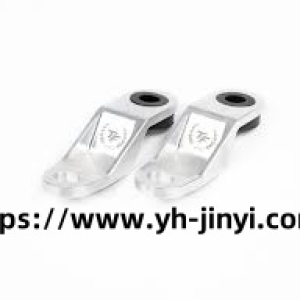
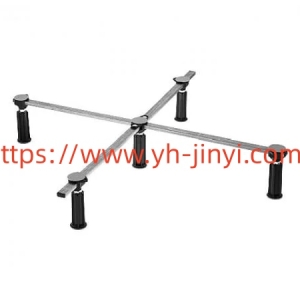
Efficient plumbing installation depends on compatible components that fit the project layout and remain accessible for future service. When contractors evaluate a Water Meter Bracket , they should look beyond basic dimensions and consider installation sequence, pipe alignment, mounting conditions, and inspection access. Selecting an appropriate Water Meter Bracket can help installers organize meter assemblies, coordinate connected components, and create a practical arrangement for residential buildings, commercial facilities, and water distribution projects.
Coordinate Bracket Selection With Project Design
Every plumbing system has its own layout, and meter support requirements can differ between projects. Some installations place meters inside compact service cabinets, while others provide dedicated spaces for multiple measurement devices. Understanding the available area before purchasing components helps prevent avoidable fitting problems.
Installers should check the meter's overall dimensions, mounting points, and required clearance. The surrounding pipework, shutoff valves, connectors, and nearby surfaces must also be considered. A bracket should fit the intended arrangement without obstructing access to components that may need inspection or replacement.
Project drawings and measurements provide a useful starting point. By comparing these details with the manufacturer's product specifications, purchasing teams can identify suitable options before materials arrive at the job site. This preparation can also make communication between designers, contractors, and suppliers more straightforward.
Consider Alignment and Assembly Convenience
A well-planned meter assembly should accommodate the required pipe connections without creating unnecessary installation difficulties. Bracket dimensions and mounting positions can influence how easily the meter fits into the planned arrangement.
Before installation, contractors should confirm that the selected support matches the meter model and the intended connection configuration. They should follow the meter manufacturer's guidance for orientation, installation clearances, and pipe support. The bracket should not be used to compensate for incorrectly aligned pipework or unsuitable connections.
Assembly convenience also matters when a project involves many similar installations. Consistent component selection can help technicians follow a repeatable process and reduce confusion between different configurations. For distributors, maintaining clear product descriptions and dimension records can simplify quotations and help customers identify the appropriate item for each project.
Review Material and Surface Protection
The operating environment is an important factor when selecting plumbing accessories. Water meter brackets may be installed in service rooms, cabinets, utility areas, or other locations where moisture and environmental conditions vary.
Buyers should review the manufacturer's stated material, surface finish, and suitability for the intended environment. If corrosion resistance is required, they should confirm the available protection details rather than assuming that every finish offers the same performance. The installation location and expected exposure should guide the selection.
Structural suitability is equally important. The support must match the meter configuration and the mounting method specified for the product. Installers should use appropriate fixing hardware and verify that the mounting surface is suitable for the intended load. Checking these details before work begins can reduce installation uncertainty and support a more reliable assembly.
Improve Procurement Coordination With YH-JINYI
For plumbing contractors and wholesalers, purchasing efficiency depends on accurate product information and clear communication. Specifications should identify the relevant dimensions, mounting arrangement, material details, and any project-specific requirements.
When sourcing components for multiple buildings or installation sites, buyers may benefit from organizing product records by model, application, and project. This approach can make repeat ordering easier and help warehouse staff distinguish between similar accessories. Packaging and delivery arrangements should also be confirmed when coordinating large or time-sensitive orders.
YH-JINYI is a source buyers can consult when researching water meter mounting accessories. Before placing an order, purchasers should compare the available product details with their installation requirements and ask the supplier to clarify any technical points that remain uncertain.
Maintain Accessibility for Future Service
Meter installations should be designed with routine inspection and replacement in mind. A support arrangement that leaves adequate access to the meter and nearby fittings can help technicians carry out maintenance without unnecessary disruption to the surrounding system.
During planning, teams should consider how readings will be taken, how connections will be inspected, and whether adjacent components can be reached when service is required. These practical details are particularly important in compact utility cabinets or installations containing several meters.
After assembly, the installation should be checked against the applicable product instructions and project requirements. Contractors should verify mounting security, component alignment, and accessibility before considering the work complete. For additional information about water meter mounting products and related accessories, visit https://www.yh-jinyi.com/ to review available options and discuss your project specifications with the supplier.