
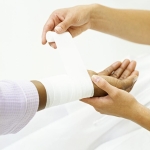






Choosing the right dressing is an important part of protecting injured skin, managing wound drainage, and supporting the body's natural healing process. Wound Dressing at Home in Dubai allows patients to receive professional wound care in a familiar environment, with guidance from qualified nurses or a Doctor at Home when appropriate. Different wounds require different dressing materials depending on their size, depth, location, moisture level, and stage of healing. Using an unsuitable dressing may irritate surrounding skin or interfere with recovery, making professional assessment especially important for surgical wounds, chronic ulcers, and injuries in patients with diabetes. Understanding the main types of wound dressings can help patients and caregivers make informed decisions while following an appropriate care plan.
Why Choosing the Right Wound Dressing Matters:
A wound dressing creates a protective barrier over injured tissue and helps maintain conditions that support healing. The appropriate product may absorb excess fluid, preserve suitable moisture, reduce friction, or protect delicate tissue from contamination. However, no single dressing is suitable for every wound, and the choice depends on the wound's characteristics and the patient's overall health. For example, a wound producing substantial drainage may need a more absorbent material, while a superficial wound may benefit from a dressing that protects the area without sticking to it. Healthcare professionals also consider allergies, surrounding skin sensitivity, signs of infection, and any treatment instructions provided by the treating clinician. Selecting and changing dressings correctly helps prevent avoidable irritation and supports ongoing wound assessment.
Gauze Dressings: A Common Option for Basic Wound Care:
Gauze dressings are widely used to cover wounds, absorb light to moderate drainage, and protect injured areas during routine care. They may be available as sterile pads, rolls, or other forms used according to the wound care plan. Gauze can be useful for certain minor injuries or as part of a clinician-directed dressing arrangement, but ordinary gauze may stick to healing tissue if it dries against the wound. Removing stuck material can cause discomfort and disturb delicate tissue. For this reason, the type of gauze and how it is applied matter. Patients should follow professional instructions about whether gauze is appropriate, how frequently it should be changed, and whether a non-adherent contact layer is needed. Deep wounds should not be packed with gauze unless a trained professional has specifically instructed and demonstrated the procedure.
Non-Adherent Dressings: Protecting Delicate Healing Tissue:
Non-adherent dressings are designed to reduce sticking to the wound surface, making them useful for some superficial injuries, postoperative incisions, skin tears, and wounds with fragile healing tissue. They can help minimize discomfort during dressing changes and reduce the chance of disrupting newly formed tissue when removed correctly. Some non-adherent products require a secondary dressing to absorb drainage and secure the covering in place. The appropriate product depends on how much fluid the wound produces and whether additional protection is required. Patients with sensitive skin should also consider the adhesive or fixation method used around the wound, as adhesives may cause irritation in some individuals. A healthcare professional can determine whether a non-adherent dressing is suitable and explain how to replace it without damaging the surrounding skin.
Transparent Film Dressings: Providing a Clear Protective Cover:
Transparent film dressings are thin, flexible coverings that allow the wound area to remain visible while providing a barrier against external contaminants. They may be used for selected superficial wounds with minimal drainage or to protect certain areas where visual inspection is useful. Because many film dressings do not absorb much fluid, they are generally unsuitable for wounds producing heavy drainage or wounds that require specialized management. Applying a film over an inappropriate wound may trap excessive moisture or make it difficult to manage fluid safely. Patients should use these dressings only when recommended for the specific wound and should follow instructions about application and removal. If the skin becomes irritated, the dressing lifts, or fluid collects unexpectedly beneath it, seek advice about whether it needs replacement or a different approach.
Hydrocolloid Dressings: Supporting Moisture Balance:
Hydrocolloid dressings contain materials that interact with wound fluid to form a gel-like layer, helping maintain a moist environment for healing. They may be appropriate for selected shallow wounds with low to moderate drainage, depending on the product instructions and clinical assessment. Some hydrocolloid dressings can remain in place for several days, but the correct duration varies by product and wound condition. They are not suitable for every wound, particularly when there is heavy drainage or a need for frequent direct inspection. Their appearance may also change as they absorb fluid, which can sometimes be mistaken for infection. Patients should not rely on appearance alone to assess healing and should seek professional advice if pain, redness, swelling, or other concerning symptoms develop.
Hydrogel Dressings: Adding Moisture to Selected Wounds:
Hydrogel dressings contain a high proportion of water and can provide moisture to certain dry wounds or wounds with non-viable tissue when used as part of an appropriate clinical plan. They may help soften dry tissue and support a wound environment suited to healing. Because hydrogels can add moisture rather than absorb large amounts of fluid, they are not appropriate for every wound, especially those already producing heavy drainage. Some products also require a secondary dressing to hold them in place and protect the area. The use of a hydrogel should depend on a professional assessment of the wound and surrounding skin. Patients should not attempt to remove dead tissue or apply wound products for debridement without guidance from a qualified healthcare professional.
Foam Dressings: Managing Moderate to Heavy Drainage:
Foam dressings are designed to absorb wound fluid and provide cushioning, making them useful for selected wounds with moderate or heavy drainage. They may be considered for certain surgical wounds, pressure injuries, and chronic ulcers when the product matches the wound's needs. Foam can help protect the affected area from friction, but the dressing must be checked and changed according to the care plan so that fluid does not accumulate excessively. Some foam products have adhesive borders, while others require a separate method of fixation. The choice depends on the wound location, skin sensitivity, and amount of drainage. A healthcare professional should assess wounds that continue to produce large amounts of fluid or show signs of deterioration instead of relying only on a more absorbent dressing.
Alginate and Antimicrobial Dressings: When Specialized Care Is Needed:
Alginate dressings are generally made from seaweed-derived materials and can absorb substantial amounts of wound fluid, forming a gel as they interact with drainage. They may be used for selected wounds with moderate to heavy exudate, but they are not suitable for dry wounds and often require an appropriate secondary dressing. Antimicrobial dressings contain agents intended to help manage microbial burden in certain wounds when clinically indicated. Examples may include products containing silver or other antimicrobial materials, but these are not necessary for every wound and should not be used indiscriminately. The choice and duration of specialized dressing treatment should be guided by a qualified professional, particularly if infection is suspected. Worsening redness, warmth, swelling, pain, pus, or fever requires medical assessment rather than simply switching dressing products.
Compression Dressings and Their Specific Uses:
Compression bandages are used in certain conditions, such as venous leg ulcers, when improved venous circulation and reduced swelling are part of the treatment plan. They differ from ordinary wound coverings because the amount and method of compression can affect blood flow and tissue health. Compression should not be started without an appropriate clinical assessment, including consideration of arterial circulation and other medical conditions. Incorrect or excessive compression may cause harm, especially in patients with impaired circulation or reduced sensation. A trained healthcare professional should select and apply the appropriate compression system and monitor the patient's response. Patients should promptly report increasing pain, numbness, unusual colour changes, or coldness in the affected foot or toes after compression is applied.
How Professional Wound Dressing at Home in Dubai Helps:
Wound Dressing at Home in Dubai can help eligible patients receive individualized dressing care without unnecessary travel, particularly after surgery or when mobility is limited. A qualified healthcare professional can assess the wound, select or apply the dressing recommended in the care plan, document changes, and explain how to look after the area between visits. Professional advice is especially important for people with diabetes, poor circulation, fragile skin, or wounds that are not healing as expected. Patients should prepare their current wound care instructions and report any new symptoms during the visit. Home care does not replace specialist assessment or emergency treatment when needed. Seek prompt medical advice if the wound worsens, and obtain urgent care for severe bleeding, rapidly spreading redness, or signs of serious illness.
Final Thoughts
Different wound dressings serve different purposes, from absorbing drainage and protecting delicate tissue to maintaining moisture or supporting specialized treatment. The most appropriate option depends on the wound's condition, drainage level, location, and the patient's overall health. Choosing a dressing without proper assessment may delay recovery or cause avoidable discomfort. Wound Dressing at Home in Dubai provides a convenient way for eligible patients to receive professional guidance and consistent wound care in a familiar setting. Follow the instructions provided by a qualified healthcare professional, avoid unapproved wound products, and seek medical advice when healing does not progress or warning signs develop. Safe dressing selection and regular assessment are important parts of responsible wound management.