
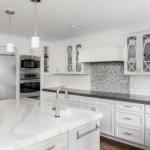

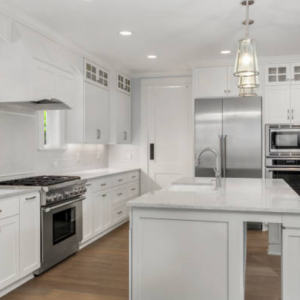
Creating a beautifully coordinated interior requires more than selecting attractive materials individually. The relationship between stone surfaces, cabinetry and flooring determines how a room looks and feels as a complete space. Experienced natural stone suppliers Melbourne homeowners, architects and interior designers rely on can help bring these elements together through careful colour matching, pattern selection and material comparisons. Whether you are renovating a kitchen, designing a new home or updating a bathroom, choosing complementary finishes from the beginning can help you achieve a balanced interior that feels considered, practical and timeless.
Start with a Clear Interior Design Direction
Before selecting stone, cabinets or flooring, establish the overall style you want to achieve. Modern interiors may favour clean lines, understated colours and smooth finishes, while contemporary luxury spaces can combine natural textures, rich timber and distinctive stone patterns.
Your preferred style will influence every material decision. A minimalist kitchen might suit pale stone, handleless cabinetry and light flooring. A warmer interior could combine earthy stone tones with timber cabinets and textured floor finishes.
Creating a mood board with photographs, colour samples and material references can help you visualise the relationship between different elements. A stone supplier can then help you identify slabs that complement your preferred palette and suit your intended application.
Understand Undertones Before Matching Colours
One of the most common challenges in interior design is matching colours that appear similar but have different undertones. White stone, for example, may have cool grey, creamy beige or subtle green undertones. Timber cabinets can also vary from golden and honey shades to cooler brown finishes.
These differences can affect how materials look when placed beside each other. A creamy benchtop may coordinate naturally with warm timber but appear yellow beside cool white cabinetry.
When comparing materials, place samples next to one another under suitable lighting. This makes it easier to identify whether their undertones work together. Considering the full colour palette rather than choosing each material separately can help prevent unwanted contrasts.
Create a Refined Palette with Super White Dolomite
Light-coloured stone is popular in modern interiors because it can make a space feel open and sophisticated. Depending on the slab, subtle veining can introduce visual interest without overwhelming the surrounding finishes.
For homeowners considering super white dolomite Melbourne, comparing the actual slabs with cabinet and flooring samples is particularly useful. Individual pieces may have different background tones, mineral patterns and vein intensity, so the complete slab provides a more accurate impression of its appearance.
Super White Dolomite may suit interiors featuring neutral cabinetry, timber accents or understated flooring, depending on the characteristics of the particular slab. Discuss its properties and care requirements with your supplier before making a final decision, especially if you intend to use it in a busy kitchen.
Choose Cabinetry That Complements the Stone
Cabinetry often covers a substantial portion of a kitchen's visual area, making its relationship with the benchtop important. The aim is to create contrast or continuity without allowing the materials to compete.
Light stone can pair well with darker cabinets when you want a striking contemporary look. Alternatively, pale cabinetry and softly patterned stone can create a calm, cohesive appearance. Timber cabinetry introduces natural warmth and can balance stone with cooler tones.
Consider the amount of pattern in your chosen slab. If the stone features strong veins, simpler cabinet finishes may allow its natural character to stand out. If the stone is relatively understated, textured cabinetry or distinctive handles can add interest without making the design feel crowded.
Coordinate Stone Benchtops with Flooring
Flooring establishes the foundation of a room's colour palette. Because it usually covers a large area, its tone and texture can influence how the benchtop appears.
When comparing marble benchtops Melbourne, consider the flooring alongside the stone rather than making the decision in isolation. Marble with cool grey veins may complement neutral grey flooring, while warmer marble tones can work well with beige tiles, timber floors or other earthy finishes.
You do not need to match the benchtop and flooring exactly. In fact, introducing a gentle contrast can help each surface stand out. The key is to maintain a visual connection through complementary undertones, textures or colours.
It is also important to consider practical requirements. Flooring in high-traffic areas may need different durability and maintenance characteristics from a decorative stone benchtop. Each material should be selected for its intended use.
Use Texture to Add Depth
A coordinated interior does not need to rely on matching colours alone. Texture can create depth and make a space feel more natural.
Polished stone reflects light and can highlight its patterns, while honed finishes offer a softer, less reflective appearance. Timber cabinetry introduces grain and warmth, and textured flooring can add another layer of visual interest.
The most effective combinations balance these textures. For example, a polished stone surface can contrast beautifully with matt cabinetry, while a honed benchtop may complement timber with a natural finish.
Before committing to a combination, consider how the materials will look together in daylight and under artificial lighting. This is particularly important in kitchens with limited natural light, where reflective and textured surfaces can affect the overall atmosphere.
Make Statement Marble Work with the Surroundings
Some interiors benefit from a prominent natural stone feature. A strongly veined slab can become the focal point of a kitchen island, splashback or bathroom vanity, adding individuality to an otherwise restrained design.
When exploring New York marble Melbourne, examine the full slab to understand the scale and distribution of its natural veining. Photographs and small samples may not accurately represent how the pattern will appear across a large surface.
If the marble has dramatic movement, consider pairing it with simple cabinet colours and flooring that does not compete for attention. Neutral finishes can provide a visual break and allow the stone to become the centrepiece.
For a more expressive interior, you can introduce complementary colours through furniture, lighting or decorative accessories. Keeping the main materials coordinated will help the overall design remain balanced.
Consider Lighting When Comparing Materials
Lighting can significantly change the appearance of stone, cabinetry and flooring. Natural daylight may reveal subtle variations that are less noticeable under artificial lighting, while warm bulbs can make neutral materials appear creamier.
When selecting finishes, examine samples in the room where they will be installed whenever possible. Consider the direction of natural light, the size of the windows and the type of lighting planned for the space.
Under-cabinet lighting, pendant lights and ceiling fixtures can all influence how a stone surface is perceived. Planning these elements alongside the material palette helps create a more consistent result throughout the day and evening.
Plan Transitions Between Different Surfaces
A well-coordinated design considers how materials meet, not just how they look separately. The transition between kitchen flooring and adjoining living areas, for example, can influence the sense of continuity in an open-plan home.
Similarly, the relationship between a stone splashback, benchtop and cabinetry should be considered before installation. Edge profiles, grout colours, joins and changes in material height can all affect the final appearance.
Discuss these details with your designer, supplier, fabricator and installer early in the project. Reviewing measurements and material samples together can help identify potential conflicts before work begins.
Balance Style with Maintenance Requirements
A beautiful combination must also suit the way you use your home. Natural stone varieties have different maintenance needs, while cabinet finishes and flooring materials vary in their resistance to scratches, moisture and everyday wear.
Ask about cleaning recommendations, sealing requirements and the suitability of each stone for its intended application. Also consider how visible marks, dust and spills may be on your selected colours and finishes.
Choosing materials with realistic expectations about their care can help you enjoy the design without unnecessary maintenance concerns.
Bring Your Interior Together with Confidence
Coordinating natural stone with cabinetry and flooring becomes easier when you consider the entire material palette from the beginning. Colour undertones, pattern intensity, texture, lighting and practical performance all contribute to a successful result.
For your next renovation or new-build project, Baasar Stone can help you explore natural stone options suited to different interior styles and applications. You can also check the company's Google Business Profile to read customer reviews and learn about other customers' experiences. By comparing actual slabs with your cabinetry and flooring samples and seeking informed advice, you can create a cohesive interior that reflects your style while remaining practical for everyday living.