

Maintaining a clean commercial property involves more than keeping floors, workstations, and customer areas tidy. Waste storage, garbage collection, and sanitation practices also play an important role in preventing pest infestations. When businesses overlook these responsibilities, discarded food, overflowing bins, and accumulated moisture can attract unwanted insects and rodents.
For example, sugar ant removal may become necessary when food residue, spilled drinks, or improperly stored waste provides a reliable source of nourishment. Similarly, cockroaches, flies, rats, and mice can establish themselves in areas where garbage remains accessible for extended periods.
Restaurants, warehouses, retail stores, offices, and apartment buildings can all experience these problems. Understanding the connection between waste management and pest activity helps property managers identify risks early and establish practical prevention measures.
Why Poor Waste Management Attracts Pests
Most common commercial pests need access to food, water, and shelter to survive. Poor waste management can provide all three within a relatively small area.
Food scraps left in open containers attract ants and cockroaches. Leaking garbage bags create moisture, while cardboard boxes and clutter provide potential hiding places for rodents and insects.
Several conditions make commercial properties particularly vulnerable:
- Accessible food waste: Uncovered garbage allows pests to feed without difficulty.
- Irregular waste collection: Accumulated rubbish gives pests more opportunities to establish feeding areas.
- Poor sanitation: Grease, spilled beverages, and food particles attract insects even after visible garbage has been removed.
- Damaged waste containers: Cracked bins and loose lids allow pests to reach discarded materials.
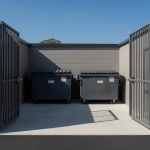
- Neglected disposal areas: Dirty dumpster enclosures and poorly maintained waste rooms can become pest harborage areas.
These problems can develop even in businesses that maintain clean customer-facing spaces. Effective prevention requires attention to the areas where waste is stored, transferred, and collected.
Common Pests Associated With Commercial Waste
Different pests respond to different conditions. Identifying the likely species helps businesses select appropriate prevention measures.
1. Ants
Ants frequently enter commercial buildings while searching for food and water. Sweet drinks, syrup, fruit residue, and food scraps can attract sugar-feeding ants to kitchens, break rooms, storage areas, and waste containers.
Once worker ants locate a dependable food source, they may establish regular trails between the waste area and their nest. Cleaning the visible trail alone may not eliminate the underlying problem if the food source or nesting site remains accessible.
Effective sugar ant removal begins with identifying the ant species, locating the source of attraction, improving sanitation, and selecting a suitable treatment when necessary.
2. Cockroaches
Cockroaches thrive in environments that provide food, moisture, and sheltered spaces. Commercial garbage rooms, kitchen drains, spaces beneath equipment, and neglected storage areas can offer suitable conditions.
Food residue and organic waste can sustain cockroach activity, while cracks around pipes and equipment provide hiding places. Regular cleaning and inspection help reduce these opportunities.
3. Rats and Mice
Rodents are attracted to accessible food, including discarded meals, food packaging, and waste from commercial kitchens. They may enter through loading docks, damaged doors, gaps around pipes, or openings near waste storage areas.
Beyond consuming waste, rodents can contaminate stored products, damage packaging, and gnaw on building materials. Businesses should combine proper waste storage with structural maintenance and professional monitoring.
4. Flies
Houseflies and fruit flies can become persistent problems when organic waste accumulates. Fruit flies are commonly associated with fermenting fruit, sugary liquids, and residue in beverage preparation areas.
Flies may move between waste and food-contact surfaces, creating sanitation concerns for food businesses. Cleaning drains, removing organic buildup, and emptying waste containers regularly can help reduce breeding opportunities.
Waste Management Mistakes That Increase Pest Risks
Recognizing common mistakes allows business owners to correct problems before pest activity becomes established.
Leaving Garbage Bins Uncovered
Open bins make food scraps and other waste accessible to insects and rodents. Even when garbage is collected regularly, uncovered containers can attract pests throughout the day.
Use durable containers with properly fitting lids. Replace damaged bins and ensure employees close lids after disposing of waste.
Ignoring Spills Around Dumpsters
Garbage bags can leak, and food waste may fall onto the ground during disposal. If these areas are not cleaned promptly, residue can continue attracting pests after the main rubbish has been removed.
Establish a cleaning routine for dumpster enclosures, surrounding floors, and waste transfer areas. Remove food residue and address standing water where it occurs.
Storing Cardboard and Packaging Indefinitely
Cardboard packaging can accumulate around loading docks, stockrooms, and waste disposal areas. When left undisturbed, stacked materials may provide shelter for insects and rodents.
Break down recyclable packaging promptly and move it to designated storage areas. Inspect stored materials for signs of pest activity before moving them into other parts of the building.
Delaying Garbage Collection
A collection schedule that does not match the volume of waste produced can lead to overflowing bins and exposed rubbish.
Businesses should review waste volumes during busy periods and arrange collection often enough to prevent accumulation. Restaurants and food retailers may need more frequent removal than offices with limited food waste.
Neglecting Drains and Hidden Areas
Visible floors may appear clean while grease, organic residue, and moisture remain around floor drains, beneath equipment, or behind waste containers.
Include these locations in routine cleaning and inspection schedules. Where drainage problems persist, arrange appropriate maintenance instead of relying on surface cleaning alone.
Practical Ways to Prevent Pest Infestations
Commercial pest prevention works best when sanitation, waste handling, building maintenance, and monitoring operate together.
Establish a Consistent Waste Disposal Schedule
Create written procedures explaining when garbage should be removed, where it should be stored, and who is responsible for cleaning disposal areas.
A practical schedule should include:
- Removing food waste before containers overflow.
- Cleaning bins and waste storage areas regularly.
- Separating food scraps from recyclable packaging where appropriate.
- Checking dumpster enclosures for spills and damaged containers.
- Reporting unusual pest activity to the responsible manager.
Assigning clear responsibilities helps prevent important tasks from being overlooked during busy shifts.
Store Waste in Suitable Containers
Select bins that are durable, easy to clean, and appropriate for the type and quantity of waste produced. Containers should have secure lids and should not have cracks or openings that allow pests to enter.
Keep waste away from food preparation surfaces and, where practical, position outdoor garbage storage away from entrances, windows, and ventilation openings.
Improve Employee Awareness
Employees influence how effectively waste management procedures are followed. Short training sessions can explain how exposed food, overflowing bins, and neglected spills contribute to pest problems.
Staff should also know how to report droppings, ant trails, cockroach sightings, and damaged waste containers. Early reporting makes it easier to investigate the source of a problem before it spreads.
Inspect Entry Points and Storage Areas
Waste management alone cannot prevent every infestation. Pests may enter through gaps beneath doors, damaged screens, plumbing openings, and other structural defects.
Inspect loading areas, utility rooms, waste storage facilities, and accessible pipe openings. Repair suitable entry points and investigate persistent moisture or drainage problems.
Monitor Pest Activity Regularly
Routine inspections help determine whether prevention measures are working. Staff can record pest sightings, identify recurring problem areas, and check whether waste handling procedures are being followed.
Where activity continues, a qualified pest management professional can assess the situation and recommend a targeted response.
The Role of Professional Pest Control
Improved waste management reduces the conditions that attract pests, but an established infestation may require additional measures. Simply spraying visible insects or removing garbage may not eliminate hidden nests, breeding sites, or entry routes.
Integrated Pest Management (IPM) combines inspection, sanitation, monitoring, exclusion, and appropriate treatment. This approach focuses on the conditions supporting pest activity rather than relying exclusively on pesticides.
For businesses experiencing recurring ant problems, professional assessment can help identify food sources, nesting locations, and suitable treatment options. Depending on the species and extent of the infestation, targeted treatment may be necessary alongside improved sanitation.
Businesses seeking additional guidance can explore professional ant control services in Illinois for information relevant to managing ant activity and preventing recurring problems.
A professional pest management plan can also help property managers establish inspection schedules, document findings, and coordinate corrective actions with cleaning and maintenance teams.
Conclusion
Poor waste management can turn an otherwise well-maintained commercial property into an attractive environment for ants, cockroaches, flies, rats, and mice. Exposed food, overflowing containers, neglected drains, and irregular garbage collection all create opportunities for pest activity.
Businesses can reduce these risks by improving waste storage, maintaining consistent cleaning schedules, training employees, inspecting structural entry points, and monitoring pest activity.
When problems persist despite these measures, professional pest control can help identify the underlying causes and recommend appropriate corrective actions. Combining good sanitation with preventive maintenance provides a practical foundation for maintaining cleaner, healthier commercial environments.
Frequently Asked Questions
1. How does poor waste management attract pests?
Accessible food, moisture, and discarded materials provide pests with nourishment and potential shelter.
2. Which pests are commonly attracted to commercial garbage?
Ants, cockroaches, flies, rats, and mice are common examples, depending on the waste and surrounding conditions.
3. Can proper garbage disposal prevent ant infestations?
Proper disposal helps reduce food sources that attract ants, although established nests and structural entry points may require additional attention.
4. How often should commercial waste areas be cleaned?
Cleaning frequency should reflect waste volume, the type of business, and the level of contamination. Food waste and spills should be addressed promptly.
5. Why do pests return after a commercial property has been treated?
Pests may return when accessible food, moisture, nesting sites, or entry points remain. Effective prevention requires addressing these underlying conditions.
6. When should a business contact a pest control professional?
Professional assistance is advisable when pest activity persists, spreads, or creates sanitation concerns despite improved cleaning and waste management.