
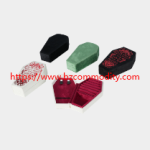

A jewelry gift is often chosen to mark a meaningful occasion, and the packaging can influence how the recipient experiences that moment. When businesses develop a Personalized Jewelry Gift Case, they need to consider more than an attractive exterior. The case should protect the jewelry, present it thoughtfully, and create room for personal details that make the gift feel distinctive. Material choices, interior organization, opening convenience, and decorative finishes all contribute to the result, helping brands connect the physical product with the emotions and expectations associated with giving.
The materials used in a jewelry gift case shape its texture, structure, and perceived quality. Paper-based materials offer flexibility for printed artwork and decorative finishes, while rigid board can create a more substantial form suitable for special gifts. Faux leather and fabric coverings introduce different tactile qualities, and soft lining materials can provide a gentle surface for jewelry. Each material brings its own considerations. A smooth exterior may suit a contemporary design, while a textured covering can create a warmer, more traditional impression. Buyers should also consider resistance to scuffing, the cleanliness of the interior, and how the materials will respond to repeated handling during storage and display.
Choosing a suitable case begins with identifying the jewelry and the intended recipient. A ring, pendant, bracelet, or pair of earrings may require a different interior arrangement to keep the item properly positioned and easy to view. A gift intended for a romantic occasion might call for a refined, understated presentation, whereas a commemorative gift could benefit from a more personalized decorative style. Retailers should consider the expectations of their target customers, the occasion being served, and whether the case will be used mainly for gifting, long-term storage, or product display. Examining the actual jewelry inside a sample case helps buyers judge the fit and presentation more accurately than relying on photographs alone.
Functional design is central to making a gift case convenient and protective. Interior inserts can help prevent jewelry from shifting during handling, while dedicated slots or cushions can keep individual pieces arranged neatly. The lid and closure should be easy to operate without feeling loose or awkward. For cases designed to hold matching sets, the layout should allow each item to remain visible without competing for space. The interior should also support easy removal and replacement, particularly when customers may want to store the jewelry in its original packaging. A carefully planned structure balances presentation with practical use, ensuring that decorative features do not interfere with access or protection.
Personalization introduces an additional layer of design and manufacturing coordination. Names, initials, meaningful dates, logos, or short messages can make packaging feel more closely connected to a recipient or brand. Depending on the selected materials, customization may involve printing, embossing, foil details, labels, or decorative elements applied to the exterior. The design should remain legible and balanced with the shape of the case. Buyers should review artwork placement and finish samples before approving production, since small differences in color, texture, and positioning can change the overall impression. For commercial orders, clear artwork files and agreed approval procedures help reduce avoidable misunderstandings.
The customer experience also depends on details that become apparent during everyday handling. A case should open naturally, hold its shape, and allow the jewelry to be accessed without disturbing the surrounding arrangement. Its lining should feel appropriate for the product, and the interior should not make delicate chains or small accessories unnecessarily difficult to retrieve. If the case is intended to be kept after the gift is opened, its design should remain useful for storage rather than serving only as temporary packaging. Buyers may also consider how the case will be packed for delivery and whether additional outer packaging is needed to protect decorative surfaces during transport.
Appearance helps communicate the character of both the jewelry and the occasion. Neutral colors and restrained decoration can create a timeless impression, while richer colors, patterned coverings, or contrasting linings may suit more expressive collections. The exterior and interior should work together: a visually elaborate lid may pair best with a simpler lining, while a minimal exterior can allow a distinctive interior color to become the focal point. Brand identity can be reflected through coordinated colors, typography, and logo placement without overwhelming the jewelry itself. For retailers offering different collections, a consistent design language can support recognition while allowing individual gift cases to reflect different styles and occasions.
Jinhua Jindong Bozhong Daily Necessities Co., Ltd. provides a point of contact for businesses exploring packaging products and customization possibilities. Jewelry retailers, gift suppliers, and brands can discuss material preferences, interior layouts, decorative finishes, personalization methods, and packaging needs when developing a suitable product. Reviewing samples and confirming design details can help align the finished case with its intended market and use. More information about the company's product offerings is available at https://www.bzcommodity.com/product/.