
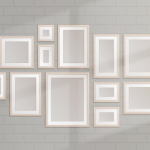






A gallery wall is one of the most effective ways to add personality, balance, and visual interest to any interior. Whether you’re decorating a living room, hallway, bedroom, or office, the way you arrange your frames can completely transform how a space feels. Two of the most popular approaches are the horizontal gallery wall layout and the gallery wall layout vertical. Each style has its own strengths, ideal placements, and design rules.
Understanding the differences between these layouts will help you choose the right one for your space and achieve a polished, intentional look rather than a cluttered wall.
What Is a Horizontal Gallery Wall Layout?
A horizontal gallery wall layout spreads artwork or photos across a wide area, emphasizing width rather than height. Frames are typically aligned along a central horizontal axis, creating a strong visual line that draws the eye from left to right.
This layout works especially well in rooms where walls are wide but not very tall. It creates a sense of balance and calm, making the space feel grounded and cohesive.
Best Spaces for a Horizontal Gallery Wall Layout
- Above a sofa or sectional
- Over a bed or headboard
- Along a long hallway wall
- Above a console table or sideboard
- In open-plan living or dining areas
In these spaces, a horizontal gallery wall layout helps anchor furniture and prevents the wall décor from feeling disconnected from the room.
Advantages of a Horizontal Gallery Wall Layout
One of the biggest advantages of a horizontal layout is its ability to visually widen a room. If your space feels narrow or cramped, spreading frames horizontally can make it appear more expansive.
Additional benefits include:
- Visual stability: Horizontal lines feel calm and structured
- Easy alignment: A central horizontal line makes spacing simpler
- Furniture integration: Perfect for aligning with sofas, beds, and tables
- Modern appeal: Often associated with clean, contemporary interiors
Because the layout follows a natural sightline, it’s also easier for viewers to take in multiple pieces without feeling overwhelmed.
Tips for Designing a Horizontal Gallery Wall Layout
To create a successful horizontal gallery wall layout, planning is essential.
- Choose a centerline: Decide where the middle of your gallery will sit and align frames above and below it.
- Keep spacing consistent: Even gaps between frames create a professional look.
- Limit vertical variation: Too much height variation can disrupt the horizontal flow.
- Use a unifying element: Matching frame colors or similar artwork styles help maintain cohesion.
- Scale matters: The gallery should span roughly two-thirds the width of the furniture below it.
This layout thrives on symmetry or near-symmetry, even when mixing different frame sizes.
What Is a Gallery Wall Layout Vertical?
A gallery wall layout vertical emphasizes height instead of width. Frames are stacked upward, guiding the eye from the floor toward the ceiling. This approach is ideal for narrow walls, tall ceilings, or areas where you want to create a dramatic visual lift.
Vertical gallery walls often feel dynamic and bold, making them perfect for statement areas.
Best Spaces for a Gallery Wall Layout Vertical
- Staircases and stair landings
- Narrow hallways or entryways
- Between tall windows or doors
- Small wall sections with high ceilings
- Home offices or reading nooks
In these locations, a gallery wall layout vertical makes use of otherwise awkward or underutilized wall space.
Advantages of a Gallery Wall Layout Vertical
The biggest strength of a vertical layout is its ability to make a room feel taller. By drawing attention upward, it enhances architectural features and creates a sense of openness.
Other benefits include:
- Height enhancement: Ideal for low furniture or compact rooms
- Strong focal point: Naturally draws attention
- Great for storytelling: Works well for chronological photos or themed collections
- Flexible design: Can be symmetrical or eclectic
Vertical gallery walls also pair well with staircases, where the natural incline supports an upward flow.
Tips for Designing a Gallery Wall Layout Vertical
To get the most out of a vertical arrangement, keep these guidelines in mind:
- Follow a vertical axis: Align frames along a central vertical line.
- Start at eye level: Build upward and downward from a comfortable viewing height.
- Balance the top and bottom: Avoid overcrowding one end of the wall.
- Vary frame sizes thoughtfully: Larger frames can anchor the center, with smaller ones above and below.
- Mind the ceiling: Leave enough breathing room at the top to prevent a cramped look.
A gallery wall layout vertical should feel intentional, not like frames were added randomly over time.
Horizontal vs. Vertical: How to Choose the Right Layout
Choosing between a horizontal gallery wall layout and a gallery wall layout vertical depends on several factors:
Wall Shape and Size
Wide walls favor horizontal layouts, while tall or narrow walls benefit from vertical designs.
Ceiling Height
Low ceilings feel higher with vertical layouts, while high ceilings can handle horizontal spreads without feeling empty.
Furniture Placement
If the wall is anchored by furniture, horizontal layouts usually work best. If the wall stands alone, vertical layouts shine.
Design Style
Minimalist and modern interiors often lean toward horizontal layouts. Eclectic or transitional spaces may benefit from vertical or mixed arrangements.
Can You Combine Both Layouts?
Yes, combining horizontal and vertical elements can create a custom gallery wall layout. For example, a primarily horizontal gallery wall layout can include a few vertically stacked frames at the ends for added interest. The key is maintaining balance and clear visual structure.
When mixing layouts, keep frame colors, spacing, or artwork themes consistent to avoid visual chaos.
Final Thoughts
Both the horizontal gallery wall layout and the gallery wall layout vertical offer unique design advantages. Horizontal layouts bring stability, width, and harmony, making them perfect for furniture-anchored walls. Vertical layouts emphasize height, drama, and movement, ideal for narrow or tall spaces.
By considering your wall dimensions, ceiling height, furniture placement, and overall design style, you can confidently choose the layout that enhances your space. With thoughtful planning and consistent spacing, either option can become a stunning focal point that reflects your personal style and elevates your interior design.