





Turtles have long captured the imagination of readers, young and old alike. Their gentle demeanor, slow-paced life, and symbolic wisdom make them a natural fit for storytelling in children’s literature. A children’s book turtle can teach patience, resilience, and the importance of taking life at your own pace—lessons that are invaluable for young readers navigating the complexities of growing up. In this article, we’ll explore why the children’s book turtle remains a beloved character in literature, highlight popular stories, and discuss how these charming tales benefit children’s development.
Why Turtles Make Great Characters in Children’s Books
Turtles are more than just slow-moving reptiles. In literature, they often embody wisdom, persistence, and calmness. For children, these qualities are easily relatable, making the children’s book turtle an ideal protagonist. Unlike fast or flashy characters, turtles move deliberately, allowing stories to unfold at a pace that mirrors thoughtful decision-making. This slow-and-steady approach is something children can learn from, especially in a world that often emphasizes speed and instant gratification.
A children’s book turtle also provides a sense of comfort. Many young readers connect with the turtle’s protective shell, which symbolizes safety and security. This can be particularly appealing in early childhood literature, where themes of self-protection, courage, and exploration are commonly explored. Turtles, by nature, are approachable and endearing, which makes them a character that can anchor stories full of learning and fun.
Classic Children’s Books Featuring Turtles
Several timeless children’s book turtle stories have captured the hearts of generations. One of the most famous is "The Tortoise and the Hare" by Aesop, a fable that teaches the value of perseverance and humility. In this story, the turtle wins a race against the boastful hare—not through speed, but through steady determination. This tale has been adapted countless times into children’s books, animated series, and even modern picture books, ensuring that the moral of the story remains relevant.
Another notable example is "Turtle Splash! Countdown at the Pond" by Cathryn Falwell. This vibrant children’s book turtle story introduces young readers to counting and numbers in a playful and engaging way. The illustrations feature lively turtles splashing in the pond, demonstrating how learning can be both entertaining and educational. Books like this highlight the versatility of the turtle as a character who can both teach and delight.
Modern children’s literature continues to celebrate turtles in creative ways. Titles like "Nina the Little Turtle" or "Sammy the Sea Turtle" explore themes of friendship, adventure, and environmental awareness. By following a turtle’s journey through challenges, young readers gain insights into empathy, problem-solving, and the natural world.
Teaching Life Lessons Through the Children’s Book Turtle
The children’s book turtle is more than a charming character; it is a vehicle for teaching important life lessons. Here are some key themes commonly explored through turtle characters:
- Patience and Perseverance
The slow nature of turtles naturally illustrates the value of patience. Stories that feature turtles often show that steady effort and determination lead to success. Children can internalize this lesson and apply it in school, friendships, and personal growth.
- Resilience and Courage
Turtles carry their homes on their backs, a symbol of resilience and self-reliance. In children’s books, turtles face challenges—whether it’s crossing a busy path, exploring a new environment, or learning a new skill. These narratives encourage children to face obstacles with courage and resourcefulness.
- Environmental Awareness
Many modern children’s book turtle stories introduce readers to nature and the environment. Sea turtles, in particular, are used to highlight conservation themes, teaching children about wildlife protection, pollution, and the importance of taking care of our planet. Stories like these help cultivate environmental stewardship from an early age.
- Friendship and Cooperation
Turtles often interact with other animals in children’s literature, demonstrating the importance of kindness, cooperation, and empathy. These interactions provide young readers with a blueprint for positive social behavior and understanding others’ perspectives.
Illustrating the Turtle: Visual Appeal in Children’s Books
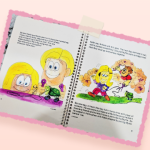
Illustration plays a crucial role in the appeal of the children’s book turtle. Artists often emphasize the turtle’s round shell, expressive eyes, and slow movements, which make the character approachable and relatable. Bright colors and detailed environments—ponds, forests, and beaches—help bring the turtle’s world to life.
Picture books featuring turtles are particularly effective because they combine storytelling with visual learning. Young children who are just developing reading skills can follow the story through illustrations, making connections between words and images. This multisensory approach reinforces comprehension, memory, and engagement, making turtles an excellent choice for early literacy.
Choosing the Right Children’s Book Turtle
When selecting a children’s book turtle, parents, educators, and caregivers should consider the following factors:
- Age Appropriateness: Some turtle stories are geared toward preschoolers with simple plots and counting exercises, while others explore complex themes suitable for older children.
- Themes and Lessons: Consider what values or life skills the story teaches—patience, environmentalism, problem-solving, or friendship.
- Illustration Style: Bright, detailed illustrations can enhance engagement, especially for younger readers.
- Interactivity: Books with flaps, textures, or interactive elements can make the turtle story even more engaging for tactile learners.
Bringing the Children’s Book Turtle into Daily Learning
Beyond bedtime reading, the children’s book turtle can be a powerful tool in educational settings. Teachers can use turtle stories to:
- Teach sequencing and storytelling skills by asking children to retell the turtle’s journey.
- Explore science topics such as animal behavior, habitats, and life cycles.
- Encourage reflective thinking by discussing the moral or lesson of the story.
- Inspire creative writing and drawing activities, allowing children to invent their own turtle adventures.
At home, parents can extend the story by creating turtle-themed crafts, outdoor exploration activities, or simple games that reinforce the lessons learned from the book.
Conclusion: The Timeless Appeal of the Children’s Book Turtle
The children’s book turtle has enduring charm because it combines gentle wisdom with engaging storytelling. From classic fables to modern adventures, turtles captivate young readers while teaching essential life skills like patience, resilience, and empathy. Through vibrant illustrations, relatable narratives, and meaningful lessons, these books inspire children to navigate the world with curiosity, thoughtfulness, and kindness.
Whether it’s a slow-and-steady race, a playful pond adventure, or a journey of friendship and discovery, the turtle remains a cherished character in children’s literature. For parents, educators, and young readers alike, the children’s book turtle is not just a character on a page—it’s a guide, a friend, and a gentle reminder that sometimes, the best way to move forward in life is one careful step at a time.