


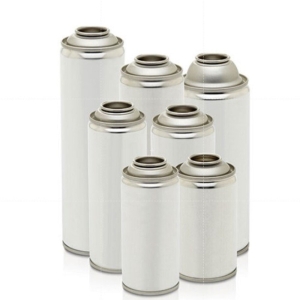
When camping a Camping Gas Cartridge can supply steady heat for meals yet it also calls for careful habits to keep everyone safe. Treat fuel with attention from the moment you pack it until the last item goes back into storage. Simple routines reduce risk and make outdoor cooking more predictable.
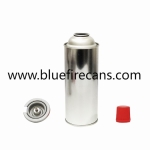
Start with a visual check. Look for dents corrosion residue or any sign the valve may not seal. A clean connection point and an intact shell are good signs a unit is ready. If something seems off set that unit aside and use another one that looks sound.
Pick a sensible setup spot. Find a flat surface away from sleeping spaces tents and loose gear. Avoid narrow windy gaps where a gust can push a flame or blow it out. A low wind break such as a rock gives stability while leaving room for ventilation. Keep flammable items and clothing well away from the cooking area.
Attach and light with calm focus. Keep ignition tools controlled and clear of the cartridge during connection. When joining a stove take steady deliberate motions to avoid cross threading or damaging seals. Open valves slowly and stay to the side when lighting so you are not directly over the burner.
Watch for signs of trouble. A hissing noise or a strong fuel smell can mean a leak. If either appears stop using the unit move away and let the area clear. Do not cover a leak or force a connection. Move the setup to an open place and treat the cartridge as compromised if the problem continues.
Transport and store with care. Carry cartridges upright in a secure pocket or case and keep them away from blunt objects that could dent the shell. Avoid leaving fuel inside enclosed vehicle spaces for long periods when temperatures might rise. At camp store unused units in a cool shaded spot away from cooking fires.
Have basic fire control ready. Keep a container of water or soil nearby and know how to smother a small cooking fire by covering it. Make sure companions know what to do if a flame spreads. Calm communication and assigned roles help with a quick response.
Let gear cool fully before disconnecting or packing. Hot metal behaves differently and handling a warm valve may shift seals or release pressure. Allowing time for cool down lowers the chance of accidental release during packing.
On group trips agree on routines. Designate one person to check fuel handling or use a short checklist everyone follows. Consistent habits reduce confusion and make tools predictable for all participants.
Finally follow safe disposal guidance for spent units. Do not puncture or burn an empty cartridge and treat every unit as a pressurized container that needs careful handling. A small amount of attention each trip protects people gear and the places you visit and helps make outdoor cooking a reliable part of the experience. https://www.bluefirecans.com/product/ .