
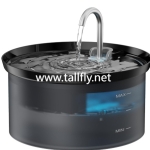

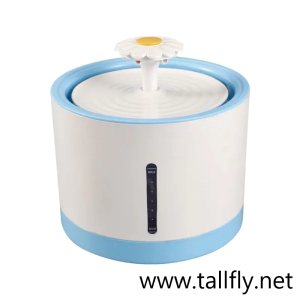


Living in a region with high mineral content in tap water presents unique challenges for household maintenance. While hard water is generally safe to drink, the dissolved calcium and magnesium it contains can gradually damage appliances. Kettles, dishwashers, and showerheads often suffer from limescale buildup, a chalky residue that becomes increasingly difficult to remove. The same issue applies to hydration stations used by animal companions. When selecting a Pet Water Fountain in hard water regions, owners must consider features that reduce mineral accumulation to maintain hygiene and extend product lifespan.
Filtration systems deserve the closest attention. Basic filters, typically composed of sponges or thin layers of activated carbon, are effective at trapping hair and reducing odors but do little to address dissolved minerals. In hard water environments, multi-stage filtration that includes ion exchange resin is essential. This resin softens water by replacing calcium and magnesium ions with sodium or hydrogen ions as water circulates. By reducing mineral concentration, the filter limits scale formation on pumps and basin surfaces, helping preserve both water quality and mechanical function.
Material choice plays a significant role in resisting mineral buildup. Plastic basins tend to develop fine scratches over time, which create ideal points for limescale to anchor and spread. Once deposits settle into these abrasions, removal becomes difficult without aggressive scrubbing that further damages the surface. Non-porous materials such as high-quality stainless steel or glazed ceramic provide a smoother alternative. Their surfaces resist mineral adhesion, and any buildup that does occur typically remains on the surface, allowing easy removal with mild descaling solutions during routine cleaning.
Pump accessibility becomes critical in hard water conditions. Mineral deposits commonly accumulate around the impeller and magnetic shaft, increasing friction and eventually causing the motor to seize. Designs that allow easy disassembly of the pump enable direct cleaning of internal components. Regular soaking of the impeller helps prevent calcification and ensures consistent water flow. Sealed or difficult-to-access pumps often fail sooner in mineral-rich environments due to the inability to remove buildup effectively.
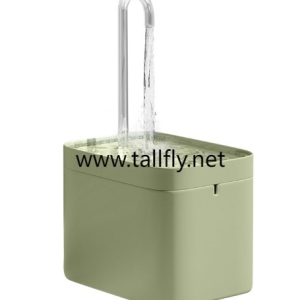
Water flow design also influences maintenance requirements. Narrow channels and intricate spouts are more prone to clogging as evaporating water leaves minerals behind. Over time, deposits can block small openings and restrict circulation. Simple designs with wide channels or open waterfall styles reduce this risk and make buildup more visible. Early detection of scale allows quick cleaning before flow is significantly impaired.
Capacity and evaporation rate further affect mineral concentration. As water evaporates, minerals remain behind, increasing hardness in the remaining water. Fountains with large exposed surfaces may experience faster evaporation, accelerating scale formation. Covered reservoirs that limit unnecessary exposure to air help slow evaporation and maintain water quality for longer periods between refills.
By prioritizing effective filtration, non-porous materials, accessible pump designs, and straightforward water flow paths, owners can manage the challenges posed by hard water. These considerations help ensure hydration stations remain clean, functional, and reliable. For durable fountain options suited to various water conditions, visit https://www.tallfly.net/product/ .