


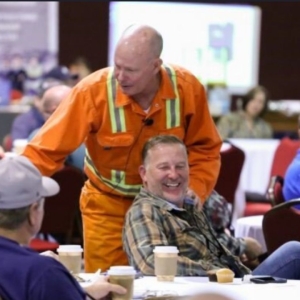
Safety is not just rules on paper. It is about making smart choices and staying out of trouble. Conference Keynotes are a great place to talk about safety in a way that people remember. A good safety speech can make people think, care, and act. This guide shows how safety speeches can get people to do the right thing and why they work.
Table of Contents
- Why Safety Speeches Matter
- What Makes a Good Safety Speech
- How Speakers Make People Act
- Real Stories That Stick
- Tips to Keep People Interested
- Key Takeaway
- FAQs
Why Safety Speeches Matter
When you go to a conference keynote, you want to learn stuff that actually matters. Safety speeches are not just about telling people what not to do. They show why safety is important in real life.
People pay attention more when they see how safety can help them. Instead of just listing rules, a good speech shows what could go wrong and how to stop it. That way, people walk away remembering the message and using it in their lives.
What Makes a Good Safety Speech
Not all safety talks stick. Here is what makes one work:
- Stories You Can See: People remember stories, not numbers. Sharing events that really happened makes it real.
- Simple Points: Say things in a way everyone can get. Don’t use fancy words.
- Steps to Take: Give clear steps that people can do right away.
- Show and Tell: Use pictures, videos, or gestures to make the speech lively.
- Facts That Matter: Some numbers help, but mix them with stories.
A speech with these things is easier to remember and gets people thinking.
How Speakers Make People Act
A safe speech is more than talk. It is about moving people to do something. Speakers do this by:
- Making It Personal: Show how safety affects them or someone they know. People care more then.
- Showing Trouble: When people see what could go wrong, they pay attention.
- Giving Answers: Tell people what to do next. Don’t just scare them.
- Asking Questions: Let people answer questions or share ideas. That keeps them awake.
- Repeating the Point: Say the main thing in different ways. People remember better.
When all of these come together, people do not just listen; they act.
Real Stories That Stick
Stories make safety real. Imagine a speaker telling a story about a team that avoided an accident because they followed simple rules. Everyone can picture it, and it shows why rules matter.
Or a story where someone missed a step and something went wrong. That makes people think, “I don’t want that to happen to me.”
Pictures or videos help too. Seeing something happen makes it easier to remember. People remember a story more than a long list of rules.
Tips to Keep People Interested
Speakers can do a few things to make safety talks work better:
- Ask Stuff: Questions like “What would you do here?” make people think.
- Use Pictures: Charts, drawings, or videos make ideas stick.
- Pause to Think: Give time for people to imagine themselves in the story.
- Keep It Short: Break big ideas into little chunks.
- Follow Up: Give handouts or links so people can check again later.
Doing these things keeps people awake and thinking. They remember more and act more.
Key Takeaway
Safety speeches at conference keynotes are not just talking. They get people to act. Stories, simple points, and clear steps make people care. Using questions, pictures, and real examples helps people remember. A speech that is easy to get, easy to picture, and easy to act on will leave a mark.
FAQs
- How long should a safety speech be?
Short is sweet. About 20 to 40 minutes is good. Enough time for stories, points, and questions. Too long, and people might lose focus. Too short, and key ideas may not stick. The goal is to keep people alert while giving them clear safety lessons. - Can safety speeches really make people change?
Yes. Stories and steps make people see what to do. When they understand, they act. People often change habits when they feel the topic matters to them personally and when the steps are simple to follow. A good speech makes safety real, not just talk. - What makes a safety speech easy to remember?
Stories, pictures, and simple steps. Mix in some real numbers if it helps. Ask questions too. Repeating key points and showing real-life examples makes people remember better. People remember stories and actions more than long lists of rules, so a good speech keeps it simple and visual. - Who should listen to safety speeches?
Everyone. They help anyone who wants to stay safe. Good examples make it easy for all. Even people who think they know safety can learn something new. A speech can make safety real for anyone, and sometimes a simple story or example is all it takes to make someone pay attention.
The Closing NOTE!
Safety speeches in conference keynotes can change the way people think and act. They do more than tell rules; they make safety real, easy to see, and easy to do. When speakers mix stories, steps, and questions, the audience walks away ready to make smart choices. Next time you attend a keynote, see how safety talks stick and think about what steps you can take!