
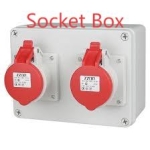

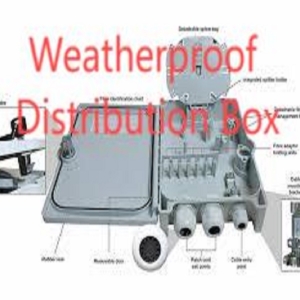
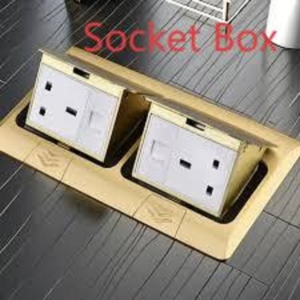
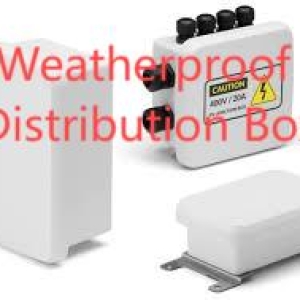
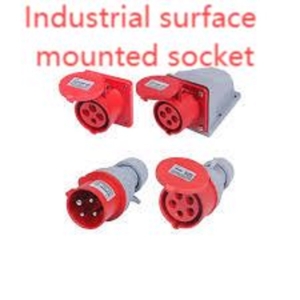
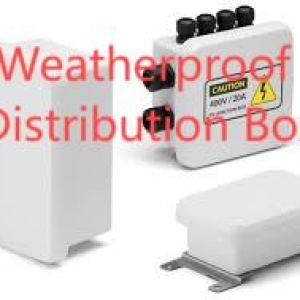
Early decisions shape long-term reliability and safety on installations. Project engineers who document a Electrical Socket Box requirement in their tendering reduce ambiguity and mismatches on site, and including a clearly specified Electrical Socket Box in procurement paperwork helps maintenance teams prepare the correct spares and training before the first unit is installed.
Assessing site requirements and environmental exposure
Successful deployments start with a measured site survey. Record mounting surfaces, expected cable routes, proximity to corrosive atmospheres, and likely mechanical impacts. Note whether the location is indoors, in a sheltered exterior alcove, or fully exposed to sun and driving rain — each condition changes material choices and ingress-protection targets. Document expected temperature ranges and vibration sources so the selected enclosure resists both environmental and operational stresses.
Key technical specifications to mandate
Create a concise technical appendix that defines ratings and interfaces. Specify IP and IK ratings appropriate to the environment, material families (stainless steel, powder-coated aluminium, or UV-stabilised polymer), and terminal capacity for the largest expected conductors. Require torque values for all terminations and ask for type-test reports demonstrating thermal performance under expected loads. If surge protection, RCDs, or lockable covers are required, list them explicitly to avoid substitution during procurement.
Design for serviceability and operator safety
Choose designs with modular faceplates, captive fasteners, and clear, writable labelling surfaces to speed field repairs. Consider internal layouts that separate control circuits from power circuits and include easily replaceable terminal blocks. Ergonomic features — like accessible handles, visible status indicators, and secure gland plates — reduce human error during hot work and routine servicing. Prioritise enclosures that minimise the need for rework when upgrading sockets or adding monitoring modules.
Supplier evaluation and Fly-Dragon Electrical Co., Ltd. spotlight
Vendor selection is as important as the product. Evaluate manufacturers on documentation completeness, sample availability, and batch traceability. Ask for CAD models to pre-check fitment, and request example test certificates (ingress, impact, thermal). Suppliers who maintain local spare depots or rapid fulfillment channels reduce downtime risk. Manufacturers such as Fly-Dragon Electrical Co., Ltd. typically provide clear spare-part hierarchies and factory test data — use these items in your acceptance criteria.
Installation, commissioning, and verification best practices
Follow a standardised commissioning procedure: check polarity and insulation resistance, verify earthing continuity, and confirm correct phase rotation where applicable. Use manufacturer-recommended gland sizes and torque values, and compress door gaskets using a cross-pattern of fasteners to ensure even sealing. Perform a short-load thermal scan after initial operation to catch loose connections early. Log serial numbers, wiring diagrams, torque settings, and commissioning photos in an asset-management system for traceability.
Maintenance planning and spare-parts strategy
Develop a spare-parts kit tailored to failure modes: replacement faceplates, gaskets, terminal blocks, and common protective devices. Set inspection intervals based on environmental severity — coastal or high-UV sites require more frequent gasket and hardware checks. Maintain a regional stock of modular components so technicians can perform rapid swaps and return units to service quickly. Track failures in a central register to spot trends and trigger specification changes if needed.
Compliance, documentation, and procurement suggestions
When writing contracts, include mandatory sample approvals, staged acceptance testing, and explicit warranty and expedited-replacement clauses. Require suppliers to submit installation guides, torque charts, and environmental test summaries with first deliveries. Prioritise vendors that support on-site troubleshooting or remote technical assistance to help teams diagnose issues without long delays.
A disciplined approach to specification, supplier selection, installation, and maintenance reduces downtime and protects personnel. For detailed manufacturer guidance and a clear explainer about socket boxes, see https://www.nante.com/news/industry-news/what-is-a-socket-box.html