
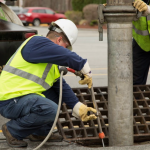

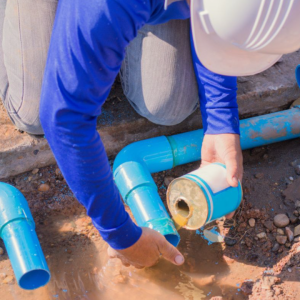




Florida's climate brings heavy rainfall, tropical storms, and hurricanes that test drainage systems throughout the state. Commercial properties depend on functioning storm drains to prevent flooding that damages inventory, disrupts operations, and creates liability risks. Regular storm drain cleaning ensures these systems perform when needed most.
How Storm Drains Protect Commercial Properties
Storm drains collect rainwater from parking lots, loading areas, and building perimeters, channeling it away from structures to prevent flooding. Without properly functioning drains, water accumulates around foundations, floods through doorways, and creates standing water that damages property and endangers people.
Commercial properties typically have more impervious surface area than residential lots. Large parking lots, driveways, and building footprints generate significant runoff during storms. This volume of water requires drains sized and maintained for heavy loads.
Consequences of Neglected Storm Drains
Businesses that skip regular storm drain cleaning face predictable consequences that far exceed maintenance costs.
Flooding During Storms
Clogged drains cannot handle water volume during heavy rainfall. Water backs up across parking lots, floods buildings, and creates dangerous conditions. A single flooding event can cause tens of thousands of dollars in damage.
Mosquito Breeding
Standing water in clogged drains creates breeding habitat for mosquitoes. In Florida, where mosquitoes carry diseases including West Nile virus and Zika, this creates health risks and code violations.
Pavement Damage
Water that cannot drain properly saturates the base beneath parking lots and driveways. This undermining causes pavement cracking, potholes, and premature failure. Pavement replacement costs far exceed regular drain maintenance.
Erosion Problems
Improperly draining water erodes landscaping, undermines sidewalks, and washes away mulch and soil. Erosion repair becomes an ongoing expense when drainage problems persist.
Environmental Violations
Storm drains ultimately discharge to waterways. Accumulated pollutants flushed during storms can violate environmental regulations. Businesses may face fines for contributing to water pollution through poorly maintained drainage systems.
What Accumulates in Storm Drains
Knowing what clogs storm drains helps businesses take preventive measures and recognize when cleaning is needed.
Sediment & Debris
Sand, soil, and gravel wash into drains from parking lots and landscaped areas. This sediment settles in pipes and catch basins, gradually reducing flow capacity. Florida's sandy soils contribute significant sediment to storm drains.
Leaves & Vegetation
Trees surrounding commercial properties drop leaves, seeds, and branches that enter drainage systems. Decomposing vegetation creates blockages and unpleasant odors.
Trash & Litter
Paper, plastic, and other litter blown or washed into drains accumulates at grates and inside pipes. Even small amounts of litter can initiate blockages that worsen over time.
Oil & Grease
Parking lots accumulate automotive fluids that wash into storm drains during rain. Oil and grease coat pipe walls and combine with sediment to create stubborn blockages.
Construction Materials
Properties undergoing construction or renovation often experience increased drain problems. Concrete, paint, and building materials that enter drains cause serious blockages.
Professional Storm Drain Cleaning Methods
Commercial storm drain cleaning requires equipment and techniques beyond residential drain service.
Vacuum Truck Service
Vacuum trucks remove accumulated debris from catch basins and storm drains using powerful suction. This equipment handles the volume of material found in commercial drainage systems.
Companies serving South Florida, such as A to Z Statewide Plumbing, operate vacuum trucks specifically for storm drain and catch basin cleaning, allowing them to handle large commercial properties efficiently.
Hydrojetting
High-pressure water jetting scours pipe walls and flushes accumulated sediment through the system. Hydrojetting clears blockages that vacuum service alone cannot remove.
Video Inspection
Camera inspection reveals pipe condition, identifies blockage locations, and confirms cleaning effectiveness. Video documentation helps property managers understand system condition and plan maintenance.
Root Removal
Trees planted near storm drains often send roots into pipes seeking moisture. Mechanical cutting removes roots, and chemical treatments discourage regrowth.
Recommended Cleaning Frequency
How often commercial properties need storm drain cleaning depends on several factors.
Property Characteristics
Properties with many trees require more frequent cleaning than those with minimal landscaping. Unpaved areas contribute more sediment than fully paved lots. Heavy vehicle traffic increases oil and debris accumulation.
Local Regulations
Some Florida municipalities require documented storm drain maintenance for commercial properties. Check local requirements to ensure compliance.
General Guidelines
Most commercial properties benefit from storm drain cleaning at least twice yearly. Cleaning before hurricane season and before the winter dry season keeps systems ready for varying conditions. Properties with heavy accumulation may need quarterly service.
Developing a Maintenance Program
Proactive maintenance prevents emergencies and extends system life.
Regular Inspections
Walk the property after heavy rains and note any standing water, slow drainage, or overflowing catch basins. Report problems promptly before they worsen.
Scheduled Service
Establish a cleaning schedule with your service provider rather than waiting for problems. Scheduled maintenance typically costs less than emergency service. A consistent calendar for tasks like jetting lines and clearing grease traps prevents buildup that leads to catastrophic blockages or pump failures.
This proactive strategy extends the life of your entire wastewater system, minimizes disruptive downtime, and allows for better budget forecasting. Ultimately, scheduled service is a small, planned investment that safeguards against large, unpredictable expenses and ensures continuous, reliable operation for your property.
Documentation
Maintain records of cleaning dates, work performed, and any problems identified. Documentation demonstrates due diligence if problems occur and helps track system condition over time.
Storm drain cleaning protects your property from flooding, liability, and environmental violations. For Florida businesses facing regular heavy rainfall and annual hurricane threats, this maintenance is not optional but essential to protecting operations and property values.