




UAE Foodservice Market Poised for Rapid Growth Amid Tourism and Digital Boom
The United Arab Emirates (UAE) foodservice market is entering a high-growth phase, supported by strong tourism inflows, rising disposable incomes, and rapid technological advancements. According to Renub Research, the market is expected to expand significantly from US$ 15.90 billion in 2024 to approximately US$ 41.80 billion by 2033, registering a robust CAGR of 11.45% during 2025–2033 .
This remarkable growth trajectory underscores the UAE’s position as a global culinary hub, where diverse cuisines, innovative dining formats, and digital convenience converge to create a dynamic and competitive foodservice ecosystem.
Market Overview: A Thriving Culinary Ecosystem
The UAE foodservice industry encompasses a wide range of establishments, including restaurants, cafes, catering services, food trucks, and quick-service outlets. With a multicultural population and a strong tourism sector, the country offers one of the most diverse food landscapes in the world.
From authentic Emirati dishes to international cuisines such as Indian, Middle Eastern, and Western, the UAE caters to a broad spectrum of tastes. This diversity not only appeals to residents but also attracts millions of tourists seeking unique dining experiences.
Urbanization and economic development have further strengthened the sector, while the rise of food delivery platforms has enhanced accessibility and convenience. As a result, the foodservice market continues to evolve with new concepts, formats, and consumer-driven innovations.
Download Free Sample Report:https://www.renub.com/request-sample-page.php?gturl=uae-foodservice-market-p.php
Key Growth Drivers Accelerating Market Expansion
Tourism and Hospitality Fuel Demand
Tourism remains one of the most powerful drivers of the UAE foodservice market. Cities like Dubai, Abu Dhabi, and Sharjah attract millions of international visitors each year, creating sustained demand for diverse dining options.
Large-scale initiatives such as tourism strategies and global events have strengthened infrastructure and boosted visitor numbers. The continuous influx of tourists, combined with a growing number of business travelers and expatriates, ensures consistent demand across both premium and casual dining segments.
Restaurants are capitalizing on this trend by offering themed dining, fusion cuisines, and experiential concepts that cater to global tastes.
Rising Disposable Income and Lifestyle Shifts
Increasing disposable incomes and changing consumer lifestyles are significantly influencing dining habits in the UAE. Eating out and ordering food online have become integral parts of social and lifestyle routines, particularly among millennials and Gen Z.
The country’s cosmopolitan demographic, dominated by expatriates, has created strong demand for global cuisines and innovative dining formats. Consumers are also showing a growing preference for premium, healthy, and gourmet food options.
Restaurants are responding by expanding menus, offering nutritional transparency, and enhancing customer engagement through digital platforms.
Digital Transformation and Delivery Ecosystem
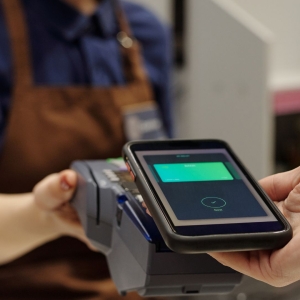
Technology is reshaping the UAE foodservice landscape. Online ordering platforms, mobile apps, digital payments, and cloud kitchens are transforming how food is prepared, delivered, and consumed.
Food delivery services have become a cornerstone of the industry, enabling consumers to access a wide variety of cuisines with ease. The integration of artificial intelligence, data analytics, and contactless services is further improving operational efficiency and customer experience.
The rise of virtual brands and cloud kitchens has also reduced entry barriers for new players, allowing businesses to scale without heavy capital investment in physical locations.
Market Challenges: Balancing Growth with Sustainability
High Operating Costs and Intense Competition
The UAE foodservice market is highly competitive, with international franchises, regional chains, and local players vying for market share. High rental costs, labor expenses, and strict food safety regulations contribute to operational challenges.
Prime locations, such as malls and tourist hotspots, come with significant costs, impacting profit margins. Additionally, continuous investment in quality, innovation, and branding is necessary to meet rising consumer expectations.
Smaller independent operators often face difficulties competing with large chains that benefit from economies of scale and strong brand recognition.
Supply Chain Dependence and Volatility
The UAE’s reliance on food imports presents another major challenge. Fluctuations in global supply chains, shipping delays, and currency variations can impact ingredient availability and pricing.
These factors create uncertainty for foodservice operators, making it difficult to maintain consistent menu offerings and pricing strategies. While some businesses are exploring local sourcing solutions, supply chain vulnerability remains a structural concern.
Segment Analysis: Diverse and Dynamic Growth Areas
Bars and Pubs: Premium Lifestyle Experiences
The bars and pubs segment is thriving, particularly in hotel-based establishments that cater to tourists and expatriates. The rise of nightlife culture, live entertainment, and themed venues has contributed to the segment’s growth.
Cities like Dubai and Abu Dhabi are key hubs for premium lounges, rooftop bars, and beachside venues, offering unique social experiences.
Asian and European Cuisines Dominate
Asian and European cuisines play a central role in the UAE’s multicultural foodservice landscape. Indian, Chinese, Japanese, and Thai cuisines are widely popular, while European offerings such as Italian and French appeal to high-income consumers and tourists.
The popularity of themed restaurants and celebrity chef establishments continues to drive innovation and attract diners.
Middle Eastern Cuisine: Cultural Core
Traditional Middle Eastern cuisine remains a cornerstone of the UAE’s foodservice market. Dishes such as shawarma, hummus, and kebabs are widely consumed and hold strong cultural significance.
This segment benefits from both local demand and regional tourism, with restaurants blending traditional flavors with modern presentation and service formats.
Burger Segment: Fast-Growing and Competitive
The burger segment is one of the most dynamic areas within the market. International fast-food chains and gourmet burger brands are competing aggressively, offering innovative menu options and customization.
The growing popularity of plant-based and premium burgers reflects evolving consumer preferences, particularly among younger demographics.
Chained Outlets: Market Leaders
Chained outlets dominate the UAE foodservice sector due to their consistency, brand recognition, and operational efficiency. International brands coexist with regional chains, leveraging franchising models to expand rapidly.
These outlets benefit from advanced supply chains, marketing capabilities, and digital integration, enabling them to maintain a competitive edge.
Regional Insights: Key Cities Driving Growth
Dubai: The Culinary Powerhouse
Dubai leads the UAE foodservice market with its diverse and innovative dining scene. The city’s status as a global tourism and business hub ensures continuous demand for a wide range of foodservice offerings.
From fine dining restaurants to street food concepts, Dubai offers unparalleled variety, supported by government initiatives and a strong digital ecosystem.
Sharjah: Emerging Growth Hub
Sharjah’s foodservice market is growing steadily, driven by urbanization, population growth, and a family-oriented consumer base. The emirate focuses on affordable dining options and community-driven experiences.
Retail developments, cultural tourism, and increasing demand for casual dining are contributing to the expansion of the sector.
Competitive Landscape: Innovation at the Core
The UAE foodservice market is characterized by intense competition and continuous innovation. Both global and local players are investing in new concepts, digital transformation, and customer engagement strategies.
Companies are leveraging technology, expanding delivery capabilities, and introducing unique dining experiences to differentiate themselves in a crowded marketplace.
Future Outlook: A Digitally Driven Dining Revolution
The future of the UAE foodservice market looks highly promising, with strong growth expected through 2033. The convergence of tourism, technology, and changing consumer preferences will continue to shape the industry.
Emerging trends such as cloud kitchens, AI-driven personalization, sustainable sourcing, and health-focused menus are likely to define the next phase of growth.
As the UAE strengthens its position as a global culinary destination, the foodservice sector will remain a key contributor to economic diversification and cultural vibrancy.
Final Thoughts
The UAE foodservice market is on a rapid growth trajectory, projected to reach US$ 41.80 billion by 2033, reflecting the country’s dynamic economic landscape and evolving consumer behavior .
Driven by tourism, innovation, and a diverse population, the sector continues to redefine dining experiences across the region. While challenges such as high costs and supply chain risks persist, the market’s strong fundamentals and adaptability position it for sustained expansion.
In the years ahead, the fusion of technology, culture, and culinary creativity will not only transform how people dine in the UAE but also reinforce its status as one of the world’s most exciting foodservice markets.