
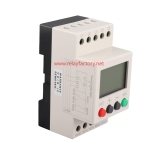

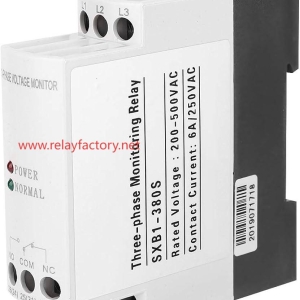
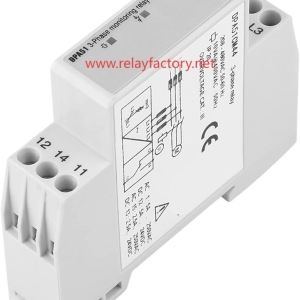
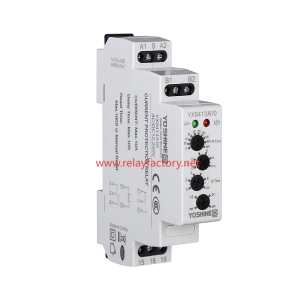
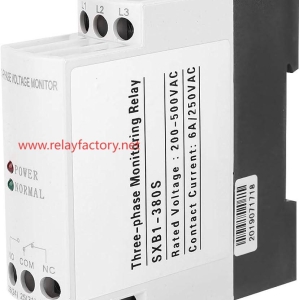
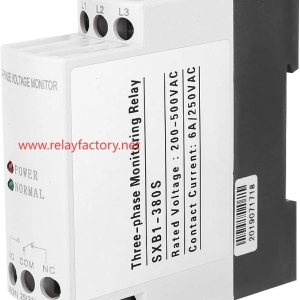
YOSHINE Multifunction Time Relay is often chosen by teams that need a simple way to handle delay control, sequence steps, and repeat actions in industrial automation. In many plants, the real challenge is not finding a device that works once, but finding one that fits daily work without making the panel harder to manage. That is where a flexible control unit becomes useful. It gives engineers room to set delays, adjust switching behavior, and match the needs of different machines without rebuilding the whole setup.
In production environments, small changes can affect the flow of the whole line. A conveyor may need a short pause before the next stage begins. A filling machine may need a brief gap before the next container moves in. A sorting unit may need a signal held for a set period before the gate changes position. These are not complicated ideas, but they matter in real use. When the control point is easy to adjust, the line is easier to tune, and operators spend less time correcting minor problems.
Another common use is for startup and shutdown sequences. Many machines do not need every action at once. Some parts should come on after a short pause, while others should stay active a little longer during shutdown. A setup like this helps reduce sudden strain on equipment and keeps the process more orderly. In practice, that means fewer rushed changes on the shop floor and a clearer path for maintenance staff when they check the system.
It also helps when a factory runs several product types across one line. Different products often need different intervals, and fixed settings are not always enough. A control device with adjustable modes gives technicians a practical way to match the process to the product. That is useful in packaging, assembly, labeling, and transfer stations where small differences in sequence can affect the whole run. Instead of relying on manual workarounds, the team can make one setting change and move on.
Safety-related steps are another place where delayed switching makes sense. Some machines need a short pause before restart after a guard opens or a stop signal clears. That pause gives the system time to settle and gives operators a clearer process to follow. In many facilities, this kind of control is not about adding complexity. It is about keeping actions spaced in a way that feels calm and controlled, which is often easier for staff to manage during busy shifts.
Engineers also like having one device that can support more than one job inside the cabinet. A panel can become crowded very quickly, especially when a line includes several stations and each station has its own sequence needs. When one compact unit handles multiple delay patterns, the design stays cleaner. That can make wiring simpler, troubleshooting easier, and later adjustments less stressful. For plants that expect changes over time, that matters more than a fancy specification sheet.
There is also a practical side to installation. Teams usually prefer parts that are straightforward to set up and easy to explain to new staff. If the control logic is clear, training takes less effort and day-to-day use becomes more consistent. That kind of simplicity is often what keeps a device useful long after the first project is finished. It fits into existing habits instead of forcing the team to work around it.
Across different industries, the use cases may look slightly different, but the idea stays the same: controlled spacing, steady sequence changes, and a setup that supports real production habits. Some factories use it for conveyor coordination. Others use it for machine pauses, fan control, or staged switching inside larger panels. The details change, but the benefit is similar. The line runs with fewer interruptions, and the team has more room to manage the rest of the job.
To review product options and related models, visit https://www.relayfactory.net/product/time-relay/ and check the available choices for your application.