




Tooth pain can go from mild to unbearable very quickly. What starts as a small discomfort can turn into swelling, pressure, and even fever. At that point, many people start searching for solutions and often hear about antibiotics like Augmentin.
But knowing when to take it is important. Not every dental problem needs antibiotics. In many cases, proper dental treatment is the real solution. In Houston, TX, dentists often guide patients carefully because using antibiotics the wrong way can cause more harm than good.
This guide explains when augmentin for tooth infection is needed, how it works, and what to expect during recovery.
What Is a Tooth Infection
Causes of Tooth Infection
A tooth infection usually starts when bacteria enter the inner part of the tooth. This can happen due to:
- Deep cavities
- Gum disease
- Cracked or broken teeth
When bacteria spread inside, they can reach the root and form an abscess. This is where pain and swelling begin to grow.
Common Symptoms
You may notice signs like:
- Sharp or throbbing pain
- Swelling in gums or face
- Sensitivity to hot and cold
- Bad taste in the mouth
Sometimes, swelling can even affect nearby areas. Some people may also notice issues like a blood blister on lip due to pressure or irritation around the infected area.
What Is Augmentin and How It Works
What Is Augmentin
Augmentin is an antibiotic that combines two ingredients. It helps fight bacteria that cause infections. Dentists often prescribe it when the infection is more serious or spreading.
When people talk about augmentin tooth infection, they are usually referring to its role in controlling bacterial growth before or along with dental treatment.
How It Fights Infection
Augmentin works by:
- Killing harmful bacteria
- Slowing down infection spread
- Helping reduce swelling and pain
It does not fix the root cause on its own. It only helps control the infection so proper treatment can be done.
When Should You Take Augmentin for Tooth Infection
When Dentist Recommends It
You should only take augmentin for tooth infection when your dentist prescribes it. It is usually recommended in cases where:
- The infection is severe
- Swelling is spreading
- There is risk of further complications
In Houston, TX, dental professionals focus on combining antibiotics with proper procedures like drainage or root canal.
Signs You May Need Antibiotics
You may need antibiotics if you experience:
- Swelling moving to the face or jaw
- Fever or chills
- Severe pain that does not improve
In some cases, patients may notice a tooth abscess getting bigger with antibiotics. This can happen if the infection is not properly drained. It means you need immediate dental care, not just medication.
When You Should Not Take Augmentin
Mild Infections
Not every infection needs antibiotics. If the issue is small, your dentist may treat it with cleaning or a simple procedure.
Taking antibiotics when not needed can lead to resistance, which makes future infections harder to treat.
Without Prescription
You should never take antibiotics on your own. Self-medication can cause:
- Wrong dosage
- Unwanted side effects
- Delayed proper treatment
Some people compare options like z pack for tooth infection, but even that should only be taken under professional guidance.
How to Take Augmentin Safely
Dosage and Timing
Always follow your dentist’s instructions. Take the medicine at the same time each day. Do not skip doses even if you feel better.
This ensures the infection is fully controlled.
Important Tips
- Complete the full course
- Take with food if advised
- Drink enough water
Stopping early can cause the infection to return stronger.
Side Effects to Watch For
Common Side Effects
Most people tolerate Augmentin well, but some may experience:
- Upset stomach
- Nausea
- Mild diarrhea
These usually go away after the body adjusts.
Serious Reactions
In rare cases, watch for:
- Allergic reactions
- Severe stomach pain
- Skin rashes
If any of these occur, seek medical help immediately, especially if you are in Houston, TX where urgent care is easily available.
Other Treatments Along With Antibiotics
Dental Procedures
Antibiotics alone are not enough. You may also need:
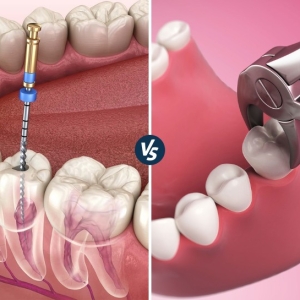
- Root canal treatment
- Drainage of abscess
- Tooth removal in severe cases
These treatments remove the source of infection.
Pain Relief Options
To manage discomfort:
- Use dentist-approved pain relievers
- Apply cold compress
- Rest properly
These steps help while the infection is being treated.
How to Prevent Tooth Infections
Daily Oral Care
Good habits can prevent future problems:
- Brush twice a day
- Floss regularly
- Use mouthwash
Simple care can stop bacteria from building up.
Regular Dental Visits
Visiting your dentist regularly helps catch issues early. In Houston, TX, many people avoid serious infections by staying consistent with checkups.
Early treatment is always easier than dealing with a painful infection later.
Conclusion
Knowing when to take augmentin for tooth infection can make a big difference in your recovery. It is a helpful medicine when used correctly, but it should never replace proper dental treatment.
If you notice swelling, pain, or signs of infection, consult a dental professional instead of guessing. In Houston, TX, expert care is easily available, and early treatment can prevent bigger problems.
Taking the right steps at the right time will help you heal faster and avoid complications.
Frequently Asked Questions
Can augmentin cure tooth infection without dental treatment
No, Augmentin only controls bacteria. The main cause must be treated with dental procedures like drainage or root canal for complete healing.
Why is tooth abscess getting bigger with antibiotics
This may happen if the infection is not drained properly. Antibiotics alone cannot remove pus, so dental treatment is still needed.
Is z pack for tooth infection better than augmentin
Both are antibiotics but used in different cases. Your dentist decides the best option based on the type and severity of infection.