
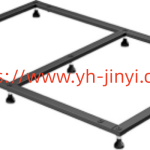


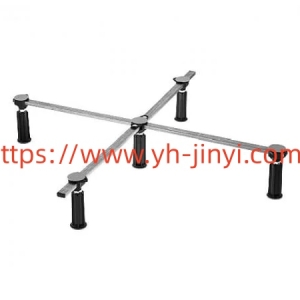
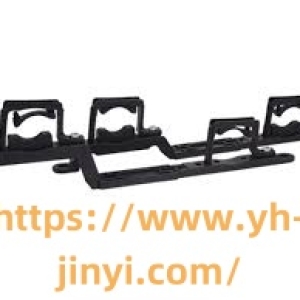
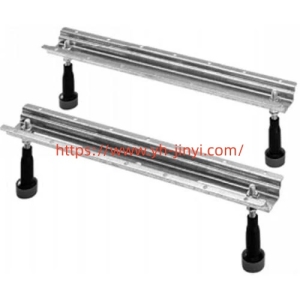
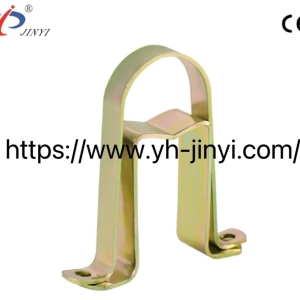
Jinyi Shower Tray Leg Frame is starting to draw more attention in bathroom installations, not because it stands out visually, but because of what it quietly solves underneath. As construction habits shift, small structural details are no longer being overlooked.
Walk into a newly finished bathroom and everything looks clean and simple. Flat surfaces, smooth transitions, minimal lines. What you do not see is the amount of adjustment happening below that surface. Floors are not always perfectly even, and that has become more common with different building methods and materials being used.
This is where the conversation begins to change. Installers are not just placing components anymore. They are thinking ahead, considering how things will behave after repeated use. A slight imbalance at the base can lead to subtle movement later. Nothing dramatic at first, just enough to affect alignment or water flow over time.
Adjustable structural solutions have started to fit naturally into this kind of thinking. Instead of forcing everything into a fixed position, they allow fine tuning during installation. That makes a difference on site, especially when working with uneven subfloors or limited space. It is less about correcting mistakes and more about preventing them from happening.
There is also a shift in how time is managed during installation. Projects are moving faster, and fewer adjustments mean smoother progress. When components settle into place without repeated repositioning, the whole process feels more controlled. That consistency tends to carry through after the project is finished.
Material behavior plays a role as well. In a space where moisture is constant, stability is not just about strength. It is about holding shape over time without reacting to environmental changes. Structures that remain steady under these conditions help everything above stay aligned, even with daily use.
Another detail that is getting more attention is how water moves across the surface. When the base is set correctly, drainage works with less resistance. Water does not linger, and surfaces stay more consistent. It is one of those things that people rarely notice directly, yet it affects how the space feels every day.
There is a quiet shift happening in how these components are viewed. They are no longer treated as background elements. Instead, they are becoming part of early planning decisions. Builders and designers are starting to think about them at the same time as layout and materials, not after everything else is decided.
From the user side, expectations are also changing. People may not know what sits underneath, but they notice when something feels stable. A steady surface, even weight distribution, and consistent drainage all contribute to that experience. It is subtle, but it matters.
All of this explains why more attention is being placed on these structural details. They solve practical problems without adding complexity, and they fit into the way modern bathrooms are being built.
If you are planning a project or reviewing installation options, it is worth looking at how these underlying solutions are designed. The difference tends to show up over time rather than all at once. You can check available configurations and details at https://www.yh-jinyi.com/product/ to see how they are applied in real scenarios.