
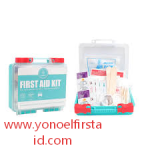

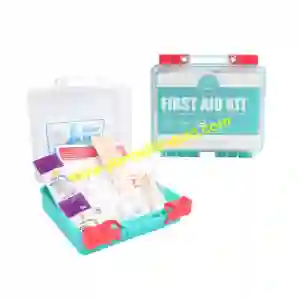
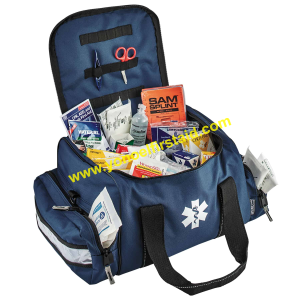
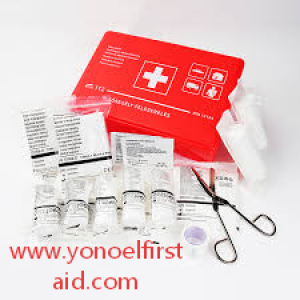
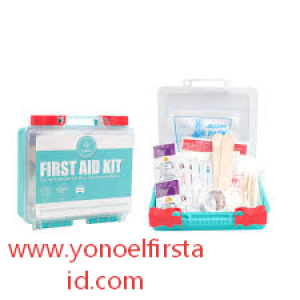
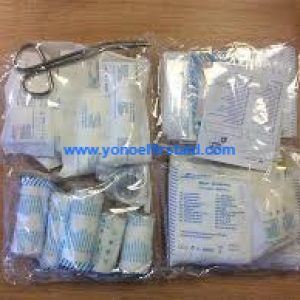
A soldier under fire cannot waste seconds searching for the right tool or reading an instruction manual. Every movement must count, and every piece of medical equipment must serve a specific purpose in a specific order. The Tactical Combat Casualty Care (TCCC) guidelines exist to create that order. Within those guidelines, the Combat Military First Aid Kit acts as the physical carrier of every critical intervention. Yonoel understands this relationship completely, producing kits where each component occupies a deliberate place for rapid access. Yet this raises an essential question for any tactical professional: what exact function does a combat kit serve inside the TCCC framework?
TCCC divides battlefield casualty response into three distinct phases. Care Under Fire happens while bullets fly and the only action involves stopping life‑threatening hemorrhage. A combat kit places a tourniquet in the easiest reachable pocket for this reason. The second phase, Tactical Field Care, occurs once the immediate danger passes. Here the kit provides chest seals for open wounds, compressed gauze for packing, and nasal airways for breathing support. The third phase, Tactical Evacuation Care, prepares the casualty for transport with trauma bandages and hypothermia prevention tools like emergency blankets. One single kit must support all three phases without requiring a soldier to carry separate pouches for each stage.
The physical arrangement inside the kit follows TCCC's intervention sequence. Hemorrhage control tools sit on top or in clearly marked external pouches. Airway supplies occupy a secondary layer, while hypothermia prevention and comfort items rest at the bottom. This layered packing reduces cognitive load during stress. A soldier does not search; they reach to a known location. Yonoel constructs Combat Military First Aid Kit assemblies with this hierarchy in mind, grouping items by TCCC phase rather than by item type. Bandages stay with bandages, but tourniquets stay separate because TCCC uses them first.
Component selection also reflects TCCC's evidence‑based recommendations. The guidelines specify minimum requirements for each category: at least one tourniquet, two chest seals, one nasal airway, several rolls of compressed gauze, and one emergency blanket. A kit missing any of these items fails to meet TCCC standards. Yonoel's production lines include trauma bandages, chest sealing patches, tourniquets, and emergency blankets as core offerings, ensuring that every assembled kit aligns with guideline specifications. Customers receive no guesswork about compliance.
Training integration represents another crucial role. A combat kit serves as a training platform. Soldiers practice with the exact kit they will carry into operations. They learn the feel of each package, the sound of a seal opening, the force required to apply a tourniquet through clothing. TCCC emphasizes this familiarity because hesitation kills. Yonoel's consistent manufacturing means each kit feels identical to the last, allowing training to transfer directly to real performance.
Logistical sustainability also falls under the kit's responsibilities within TCCC. A unit cannot depend on resupply during active engagement. The combat kit must contain enough material for multiple casualties or for one casualty requiring repeated interventions. Yonoel designs kits with extra quantities of high‑use items like gauze and tape while keeping weight within carried limits. That balance between volume and portability follows TCCC's guidance on what a single soldier can reasonably transport.
Quality verification ties everything together. TCCC guidelines lose value if the actual products fail under use. A chest seal that does not adhere, a tourniquet that snaps, or a bandage that sheds fibers creates a dangerous situation worse than having no supply at all. Yonoel produces inside a facility meeting medical device standards, with BSCI verification for workplace conditions. Those certifications provide confidence that a combat kit will perform exactly as TCCC intends.
For units seeking compliant, ready‑to‑deploy solutions, https://www.yonoelfirstaid.com/product/tactical-first-aid-kit/ offers assemblies built around TCCC's three phases. Each kit arrives organized for Care Under Fire, Tactical Field Care, and Tactical Evacuation Care without requiring additional packing or sorting. A soldier who trusts their equipment fights with one less worry. Why carry a random collection of supplies when TCCC has already defined exactly what works?