

When Coatings Fail: The Headlamp Delamination Problem
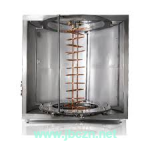
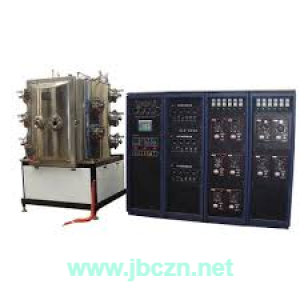
A headlamp reflector requires a flawless coating. Any separation between film and substrate reduces light output immediately. PVD headlamp dedicated coating equipment promises uniform, adherent layers designed for automotive conditions. Yet delamination occurs in some systems. Why does a coating that looks perfect at installation fail weeks or months later? jbczn investigates this question across real production environments, not just theoretical models.
Delamination means separation at the film-substrate interface. The coating lifts away from the base material in patches or sheets. This failure mode destroys reflector performance because exposed substrate does not reflect light properly. A headlamp with delaminated coating produces uneven beam patterns and reduced illumination distance. Drivers experience this as poor nighttime visibility. The root causes trace back to specific equipment behaviors and process conditions.
Surface contamination stands as the primary delamination trigger. Any oil, dust, or oxide layer between substrate and coating prevents chemical bonding. PVD headlamp dedicated coating equipment relies on pristine substrate surfaces for adhesion. A cleaning cycle that misses microscopic contaminants creates weak points. These points grow into visible delamination under thermal cycling. A headlamp heats up when turned on and cools when turned off. Each cycle expands the substrate and the coating at different rates. Contaminated areas cannot withstand this mechanical stress.
Inadequate substrate heating before deposition produces similar failure patterns. The coating needs a surface temperature within a specific window for proper nucleation. Too cold, and atoms do not diffuse across the surface evenly. Rushed production schedules sometimes skip full heating cycles. A cold substrate receives coating that looks acceptable at initial inspection. However, that coating lacks real bonding strength. Headlamp operation introduces heat from the bulb. The substrate expands. The cold-deposited coating cannot accommodate this movement. Delamination begins along the hottest zones near the bulb housing.
Target erosion patterns also contribute to failure. In PVD headlamp dedicated coating equipment, the metal target erodes unevenly over time. A worn target produces fewer coating atoms from certain angles. The resulting film has thickness variations across the headlamp reflector. Thin zones provide weaker adhesion. Thick zones crack under internal stress. Quality equipment monitors target condition and adjusts deposition parameters automatically. Systems without this feedback continue producing flawed coatings until visible failure appears on finished products.
Chamber vacuum level determines how many gas molecules interfere with the coating process. Residual oxygen in an incompletely evacuated chamber reacts with metal atoms during deposition. This reaction forms oxide inclusions within the metallic coating. These inclusions act as stress concentration points. The coating cracks around them during temperature changes. Water vapor in a poor vacuum creates an even worse scenario. Hydrogen from water molecules gets trapped inside the growing film. Trapped hydrogen causes blistering days after deposition. Those blisters eventually rupture, leaving bare substrate exposed.
Process parameter drift represents a hidden failure mode. Deposition rate, gas flow, and substrate rotation speed must stay within narrow ranges. A PVD headlamp dedicated coating equipment system without real-time monitoring slowly drifts out of specification. The first batch of the day meets standards. Batch number fifty shows minor defects. Batch one hundred fails adhesion tests. Operators who rely only on periodic quality checks miss this gradual decline. By the time delamination appears in finished headlamps, hundreds of defective parts have already shipped.
Post-treatment handling affects coating survival. Freshly coated reflectors need cooling time before exposure to room air. Rapid cooling creates thermal shock between coating and substrate. The film contracts faster than the base material. This differential contraction generates tensile stress at the interface. Any pre-existing weak point fails under this stress. Proper equipment includes controlled cooling cycles that reduce temperature gradually. jbczn builds this feature into every system because rapid cooling eliminates margin for error in downstream processes.
https://www.jbczn.net/product/ hosts technical specifications for buyers who require reliable PVD headlamp dedicated coating equipment. The page documents each failure mode and the countermeasure engineered into their machines. Jinhua GOLD BLINGKING tests every coating chamber for vacuum integrity, target uniformity, and substrate heating accuracy before delivery. A system that passes their validation rarely produces delamination in real headlamp production. One that fails any test returns to the assembly floor for correction. No equipment leaves their facility with undiagnosed drift potential or uncontrolled cooling sequences.
Delamination does not announce itself early. A headlamp passes initial inspection. The coating appears smooth and reflective under shop lights. Only months of thermal cycling reveal the hidden separation. jbczn studies every failure path so their PVD headlamp dedicated coating equipment eliminates these risks before production starts. Why trust your headlamp quality to equipment that cannot control its own vacuum, heating, and cooling cycles?