
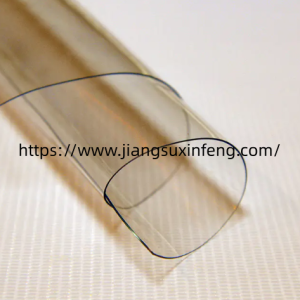
Static Window Film is widely used as a practical solution for glass surfaces because it can be applied without adhesive materials. Instead of relying on glue, it uses static cling to attach smoothly to glass, making installation straightforward and flexible. This approach has become increasingly relevant in environments where convenience and adaptability are important.
The principle behind this material is based on surface interaction rather than chemical bonding. When placed on a clean glass surface, the film adheres through static forces, allowing it to stay in position without leaving residue. This makes it different from traditional adhesive-based products, which often require more preparation and may leave marks when removed.
One of the key benefits is ease of installation. The process typically involves cleaning the glass, lightly moistening the surface, and positioning the material carefully. Because there is no glue involved, adjustments can be made during installation to achieve proper alignment. This is especially helpful for users who prefer a simpler application process without specialized tools.
Another advantage is reusability. Since the material does not rely on adhesive, it can often be removed and reapplied when needed. This makes it suitable for spaces that change frequently, such as rental apartments, offices with shifting layouts, or retail displays that update seasonally. The ability to reposition the material adds flexibility to interior planning.
Surface protection is also an important consideration. Adhesive-based products may affect glass over time, especially if they are left in place for extended periods. In contrast, static cling materials reduce this concern by avoiding direct bonding. This allows users to maintain the original condition of the surface while still achieving functional benefits such as privacy or light diffusion.
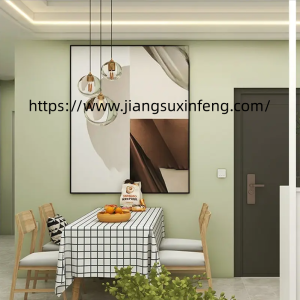
Applications for this type of material are varied. In residential settings, it can be used on windows, glass doors, or partitions to provide a level of privacy without blocking natural light. In commercial environments, it supports temporary branding, decorative elements, or workspace separation. Its adaptability makes it suitable for both short-term and longer-term use depending on project needs.
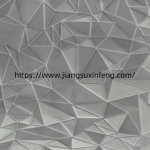
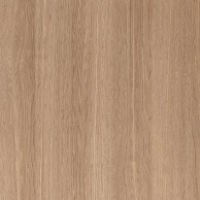
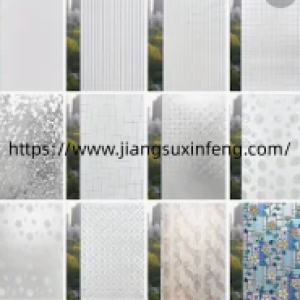
Manufacturers such as jiangsuxinfeng focus on producing materials that meet these practical requirements. By offering different textures, thicknesses, and finishes, they provide options that can be matched to specific applications. This allows businesses and individuals to select materials based on their intended use rather than relying on a single standard format.
Maintenance is relatively simple. Regular cleaning of both the glass surface and the material helps maintain its performance. Because it can be removed easily, it is also possible to clean or replace it when necessary without additional effort.
As interior spaces continue to prioritize flexibility, materials that support non-permanent installation methods are becoming more relevant. Solutions that balance ease of use with functional performance are likely to remain in demand. For more information about available options and specifications, visiting https://www.jiangsuxinfeng.com/ can provide further details and product support from jiangsuxinfeng.