





The global chemical sector is currently navigating a period of profound structural transformation, where high-performance monomers are becoming the vital architecture for next-generation material science. Acrylonitrile ($CH_2CHCN$), a versatile and highly reactive organic intermediate, has established itself as a cornerstone precursor for a vast array of synthetic polymers and resins. As industrial sectors pivot toward lightweighting, high-strength composites, and advanced water treatment solutions, the market for acrylonitrile is expanding from its traditional commodity roots into high-value specialized niches.
Market dynamics reflect a decade of resilient growth, underpinned by the rapid industrialization of emerging economies and a worldwide shift toward durable, high-performance materials. The global Acrylonitrile market is expected to register a CAGR of 4.13% from 2026 to 2034, with the market size expanding from US$ 12.80 Billion in 2025 to US$ 18.42 Billion by 2034. This valuation underscores the increasing indispensability of acrylonitrile in sectors that demand superior impact resistance, thermal stability, and chemical durability.
Dominant Market Trends Shaping the 2034 Horizon
The trajectory of the acrylonitrile market is increasingly shaped by aggressive technological innovation and a strategic pivot toward "Green Chemistry." Several key trends are currently steering the industry toward its US$ 18.42 billion valuation.
1. The Carbon Fiber Revolution in Renewables and Aerospace
A core focus of current market evolution is the rise of Polyacrylonitrile (PAN) as the primary precursor for carbon fiber. Approximately 90% of the world's carbon fiber is produced from acrylonitrile.
-
Wind Energy: As the global energy transition accelerates, the demand for larger, more efficient wind turbine blades has created a massive growth niche for carbon fiber. Carbon fiber provides the stiffness and weight reduction necessary for the massive blades seen in offshore wind farms.
-
Aerospace Weight Reduction: Aerospace OEMs are increasingly utilizing carbon-fiber-reinforced polymers (CFRPs) in aircraft fuselages and wings to achieve significant fuel savings, directly translating into long-term demand for high-purity acrylonitrile.
2. Electric Vehicle (EV) Integration and ABS Resins
The automotive sector’s shift toward electrification is a major catalyst for Acrylonitrile Butadiene Styrene (ABS) demand.
-
Lightweighting for Range: To compensate for the weight of heavy EV battery packs, manufacturers are replacing metal components with high-strength ABS resins. Acrylonitrile provides the necessary chemical resistance and thermal stability for these applications.
-
Electronic Sophistication: Modern vehicles require robust plastic housings for sensors, infotainment systems, and electronic control units, all of which heavily utilize acrylonitrile-based polymers.
3. Transition to Sustainable and Bio-based Feedstocks
With global focus on reducing carbon footprints, "Green Acrylonitrile" is no longer a concept but a burgeoning commercial reality.
-
Renewable Feedstocks: Market leaders are investing heavily in R&D to produce acrylonitrile from renewable sources such as glycerol or non-food biomass. This allows manufacturers to offer "circular" plastics to brand owners looking to meet ESG mandates.
-
Propane Ammoxidation: While propylene remains the dominant feedstock, there is a technical trend toward propane-based ammoxidation processes. This route offers cost-efficiencies in regions with abundant shale gas resources, providing a more stable pricing structure for downstream users.
4. Advanced Water Treatment and Industrial Flocculants
As global water scarcity intensifies, the demand for Polyacrylamide (PAM), a derivative of acrylonitrile, is skyrocketing. PAM is a critical flocculant used in municipal wastewater treatment and industrial sludge dewatering. Stringent environmental regulations in North America and Europe are forcing a shift toward higher-efficiency water clarification chemicals, sustaining the growth of the acrylamide segment.
Competitive Landscape: Top Industry Players
The acrylonitrile market is characterized by high technical barriers to entry and a focus on vertical integration. The top players are currently competing on two fronts: process optimization for cost leadership and sustainable innovation for market differentiation.
Top Key Players in the Global Market:
-
INEOS Nitriles
-
Asahi Kasei Corporation
-
Sinopec (China Petroleum & Chemical Corporation)
-
Formosa Plastics Corporation
-
Mitsubishi Chemical Corporation
-
PetroChina Company Limited
-
Sumitomo Chemical Co., Ltd.
-
Reliance Industries Limited
-
LUKOIL
-
SABIC (Saudi Basic Industries Corporation)
Regional Forecast Snapshot (2025–2034)
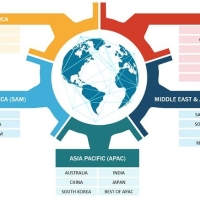
The regional market share is heavily concentrated in the Asia-Pacific region, specifically China and India, which serve as the world's primary hubs for textile and electronics manufacturing. However, North America and Europe are seeing growth in high-value segments like carbon fiber precursors and pharmaceutical intermediates.
| Metric | 2025 (Baseline) | 2034 (Projected) | CAGR (2026-2034) |
| Market Valuation | US$ 12.80 Billion | US$ 18.42 Billion | 4.13% |
| Primary Region | Asia-Pacific | North America | Europe |
| Leading Application | ABS & SAN Resins | Carbon Fiber Precursors | Acrylic Fibers |
About Us
The Insight Partners is a one-stop industry research provider of actionable intelligence. We help our clients find solutions to their research requirements through our syndicated and consulting research services. We specialize in industries such as Chemicals and Materials, Manufacturing, Technology, and Healthcare, providing high-quality data and strategic insights to help businesses navigate complex market landscapes. Our mission is to provide accurate, reliable, and up-to-date market intelligence to empower decision-makers worldwide.
Contact Us
If you have any queries about this report or would like further information, please contact us:
-
Contact Person: Ankit Mathur
-
E-mail: sales@theinsightpartners.com
-
Phone: +1-646-491-9876
-
Website: www.theinsightpartners.com