
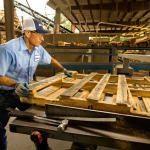






In most warehouses, everything looks organized at first glance. Pallets are stacked, shipments are moving, and operations seem under control. But if you look a little closer especially near loading docks or back corners you’ll often notice something quietly building up.
Used wooden pallets.
They don’t usually cause alarm. They’re just placed “out of the way” after deliveries or storage runs. No one thinks much of them at the time. But over weeks and months, that small pile slowly turns into a much larger problem.
This is where pallet recycling, pallet removal, and structured wood pallet services start to play a much bigger role than most businesses initially realize.
How “Temporary Storage” Becomes Permanent Clutter
Every warehouse has the same story.
A delivery arrives, pallets are unloaded, and the empty ones are stacked to be dealt with later. The intention is always good. It’s just easier to move them aside and keep working.
But “later” rarely comes.
Instead, those stacks get pushed further into corners. New shipments arrive. More pallets are added. Eventually, the space that was meant for operations starts turning into storage for unused materials.
The problem is that it happens slowly enough that it doesn’t feel urgent.
Until one day, it does.
The Real Impact of Pallet Build-Up
It’s easy to underestimate how much space wooden pallets can take up when they accumulate. A few stacks might not seem significant, but in a busy facility, every square foot matters.
As the pile grows, it can quietly affect operations in ways like:
- Reduced space for incoming and outgoing shipments
- Slower forklift movement through tight areas
- Increased time spent reorganizing staging zones
- Difficulty accessing stored inventory
- More congestion during peak hours
None of these issues appear overnight. They build gradually, often going unnoticed until efficiency starts dropping.
Why Wood Pallet Recycling Makes a Bigger Difference Than It Seems
At its core, wood pallet recycling is about more than just disposal. It’s about keeping materials in motion instead of letting them sit unused.
Many wooden pallets still have value even after initial use. Some can be repaired and reused. Others can be broken down and processed into usable wood material.
Instead of treating pallets as waste, recycling turns them into part of a continuous cycle.
That shift helps businesses:
- Reduce unnecessary storage clutter
- Minimize waste buildup
- Keep warehouse areas clear
- Improve operational flow
It’s a simple concept, but it has a noticeable impact when applied consistently.
Why Businesses Delay Pallet Removal
Most companies don’t ignore pallet buildup intentionally. It just doesn’t feel like a priority compared to daily operations.
Shipping deadlines, inventory management, and customer demands naturally take precedence.
So pallets get pushed aside with the intention of handling them later.
But without a structured system in place, that “later” becomes harder to manage as the pile grows.
That’s where pallet removal services become especially useful. Instead of requiring internal time and labor, they handle the entire process externally.
How Scheduled Pallet Pick Up Service Changes the Workflow
One of the most effective ways to manage pallet accumulation is through scheduled pickups.
Rather than reacting to overflow, businesses can plan regular removal cycles based on their activity levels.
Typical service options include:
- Weekly pickup for high volume warehouses
- Biweekly service for moderate operations
- Monthly scheduling for lower turnover facilities
- On-call pickup for flexible, unpredictable needs
This structure prevents buildup before it becomes a problem.
It also helps teams focus on core operations instead of constantly managing excess materials.
For businesses in Washington DC, Maryland, and Virginia, where warehouse space is often limited and high-demand, this kind of consistency can make a noticeable difference.
When Small Inefficiencies Add Up
A few stacked pallets don’t seem like much. But over time, they contribute to a larger issue: reduced efficiency.
When space becomes tighter, everything takes longer. Movement slows down. Organization becomes harder. Even simple tasks require more effort.
It’s not dramatic but it is constant.
And in logistics heavy environments, small inefficiencies tend to scale quickly.
That’s why many businesses eventually realize that pallet management isn’t just cleanup it’s part of operational performance.
A More Practical Way to Handle Pallets
The most efficient warehouses don’t wait for clutter to become visible before addressing it. They integrate pallet recycling and removal into their ongoing workflow.
Instead of letting stacks build up, they maintain a steady cycle where pallets are continuously collected and processed.
This approach keeps space usable and prevents sudden overflow situations that disrupt operations.
It also reduces the need for large cleanup efforts that take time away from daily work.
Final Thoughts
Old wooden pallets might not seem like a serious issue at first, but over time they can quietly affect how a warehouse functions. They take up space, slow down movement, and add unnecessary congestion to already busy environments.
With structured pallet recycling, reliable pallet removal, and flexible pallet pick up service options, businesses can stay ahead of the buildup instead of reacting to it later.
In the end, keeping a warehouse efficient isn’t just about managing inventory it’s also about managing everything that surrounds it.