
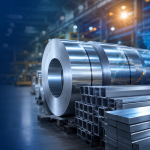

The global stainless steel market witnessed a moderately firm price trend during Q1 2026, supported by stable industrial demand, fluctuating nickel input costs, and controlled supply conditions across major manufacturing hubs. The Stainless Steel Price Trend remained influenced by construction activity, automotive manufacturing, infrastructure investments, and machinery production, particularly in Asia Pacific and North America. Rising energy costs, elevated freight expenses, and evolving trade flows also contributed to regional price variations.
In March 2026, stainless steel prices were assessed at approximately USD 2,082.44/MT FOB China, USD 2,137.44/MT CIF India, and USD 2,169.44/MT CIF USA, reflecting continued market resilience despite mixed macroeconomic conditions. Supply discipline among producers and ongoing infrastructure investments supported market stability during the quarter.
Market Snapshot
Stainless Steel Market Snapshot
- Market Direction: Stable to Slightly Bullish
- Primary Demand Sector: Construction, Automotive, Industrial Manufacturing
- Key Feedstock: Nickel, Chromium, Iron Ore, Scrap Steel
- Major Supply Region: China, India, Europe
- Short-Term Outlook: Moderately Bullish
- Global Stainless Steel Market Trend: Supported by infrastructure spending and manufacturing recovery
- Stainless Steel Price Index Movement: Stable with regional fluctuations due to freight and feedstock costs
Key Drivers Affecting Stainless Steel Prices
Several interconnected factors continued to influence the global Stainless Steel Price Trend during Q1 2026.
Major Price Drivers
- Nickel Price Volatility:
Nickel remained one of the most influential feedstocks affecting stainless steel production economics. Fluctuating nickel prices increased manufacturing cost uncertainty. - Construction and Infrastructure Demand:
Government-backed infrastructure projects in Asia and the Middle East supported stainless steel consumption in structural applications and transportation systems. - Automotive Sector Recovery:
Demand from electric vehicle manufacturing and automotive component production improved stainless steel procurement activity. - Industrial Manufacturing Growth:
Expansion in machinery, food processing equipment, and chemical processing industries supported baseline stainless steel demand. - Energy and Logistics Costs:
Elevated electricity tariffs, freight expenses, and shipping disruptions contributed to regional pricing pressure. - Supply Discipline in China:
Chinese stainless steel producers maintained relatively balanced operating rates to avoid excessive inventory accumulation. - Scrap Availability:
Variations in stainless steel scrap supply affected secondary production economics in Europe and North America.
Why Stainless Steel Prices Increased Recently
The Stainless Steel Price Trend showed moderate upward movement in several regions during Q1 2026 due to a combination of feedstock inflation and improved industrial demand.
Key Reasons Behind Recent Price Changes
- Prices increased due to higher nickel and chromium procurement costs.
- Strong infrastructure investments in Asia supported downstream steel consumption.
- Reduced inventories among distributors improved spot market sentiment.
- Logistics bottlenecks and container freight volatility increased import costs.
- Maintenance shutdowns at selected steel mills tightened short-term regional supply.
- Export demand from Southeast Asia and the Middle East remained relatively firm.
In North America, stainless steel import costs remained elevated due to freight-related expenses and tighter supply availability. Meanwhile, Indian stainless steel prices strengthened amid improving domestic manufacturing activity and infrastructure demand.
Real Global Events Affecting the Stainless Steel Market
Global economic and geopolitical developments continued to shape stainless steel market dynamics during Q1 2026.
Important Global Factors
- Energy Price Volatility in Europe:
Elevated natural gas and electricity costs impacted stainless steel production economics across European mills. - China’s Industrial Production Policies:
Production controls and environmental compliance measures influenced operating rates among Chinese steel manufacturers. - Global Shipping Disruptions:
Freight market instability and Red Sea shipping concerns affected delivery schedules and import pricing. - Infrastructure Spending Programs:
Public infrastructure investment in India, Southeast Asia, and the United States supported steel-intensive projects. - Mining Supply Constraints:
Fluctuations in nickel ore supply from Indonesia and the Philippines influenced feedstock availability. - Environmental Regulations:
Increasing sustainability requirements encouraged investment in recycled stainless steel and low-emission production technologies.
Regional Market Analysis
Asia Pacific
Asia Pacific remained the largest stainless steel production and consumption region globally. China continued to dominate supply, while India experienced rising domestic demand from infrastructure and manufacturing sectors.
- China stainless steel prices averaged around USD 2,082.44/MT FOB in March 2026.
- Indian import prices reached approximately USD 2,137.44/MT CIF.
- Construction and industrial manufacturing supported regional demand growth.
- Controlled production levels helped stabilize oversupply concerns.
The region maintained relatively balanced market fundamentals despite periodic export competition.
Inquire for Latest Market Prices :- https://www.procurementresource.com/resource-center/stainless-steel-price-trends/pricerequest
North America
North American stainless steel prices remained comparatively elevated during Q1 2026 due to higher import costs and strong industrial demand.
- USA stainless steel prices were assessed near USD 2,169.44/MT CIF in March 2026.
- Demand from automotive, aerospace, and industrial equipment sectors remained stable.
- Import dependence exposed the region to freight and global supply chain fluctuations.
- Inventory restocking activity supported domestic market sentiment.
Market participants also monitored interest rate policies and industrial output trends closely.
Europe
European stainless steel markets experienced mixed pricing conditions amid elevated energy costs and moderate industrial activity.
- High electricity and natural gas prices increased operational expenses.
- Manufacturing activity remained uneven across major economies.
- Stainless steel demand from automotive and machinery sectors showed gradual improvement.
- Sustainability regulations accelerated focus on recycled material usage.
Supply constraints from selected mills supported regional price firmness despite weak macroeconomic sentiment in certain sectors.
Middle East & Africa
The Middle East & Africa region maintained stable stainless steel demand supported by construction and industrial diversification initiatives.
- Infrastructure and energy-related projects supported procurement activity.
- Import dependency influenced regional price volatility.
- Gulf countries continued investing in industrial expansion and urban development.
- Logistics costs remained an important pricing factor.
Regional demand growth remained moderate but structurally supportive for long-term consumption.
Industry Expert Insight
Industry analysts indicate that balanced supply conditions, fluctuating nickel feedstock costs, and steady infrastructure demand continue to shape the global stainless steel price structure. While short-term volatility may persist due to energy and logistics uncertainty, long-term industrial demand fundamentals remain relatively supportive.
Market Outlook
Short-Term Outlook
The short-term stainless steel market outlook remains moderately bullish due to:
- Stable industrial demand
- Controlled producer inventories
- Ongoing infrastructure spending
- Continued feedstock cost pressure
However, economic slowdown risks and fluctuating manufacturing activity could limit aggressive price increases.
Medium-Term Outlook
The medium-term stainless steel price forecast depends on several structural factors:
- Expansion of EV and renewable energy sectors
- Growth in urban infrastructure investments
- Evolution of global trade flows
- Nickel supply-demand balance
- Recycling and green steel initiatives
Additional production capacity additions in Asia may improve global supply availability over time, potentially moderating future price spikes.
FAQs
What affects stainless steel prices?
Nickel prices, industrial demand, energy costs, supply availability, and global trade conditions significantly affect stainless steel prices.
Why did stainless steel prices rise recently?
Prices increased due to feedstock inflation, logistics disruptions, maintenance shutdowns, and improved downstream industrial demand.
What industries use stainless steel?
Stainless steel is widely used in construction, automotive manufacturing, machinery, transportation, energy, and consumer appliances.
Which region dominates stainless steel production?
Asia Pacific, particularly China, dominates global stainless steel production and export activity.
What is the future outlook for stainless steel prices?
The stainless steel market outlook remains moderately bullish, supported by infrastructure growth, manufacturing demand, and energy transition investments.