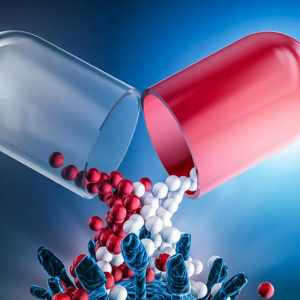
Biotechnology is witnessing a surge of innovation in phage discovery, with new functional screening platforms reshaping drug development and antibody engineering. Recent advancements highlight...
As biopharmaceutical pipelines expand and therapeutic modalities grow more complex, the demand for highly specific, reproducible, and customizable antibodies has never been greater. Two...
Advanced neuroscience research increasingly relies on models that balance biological relevance, reproducibility, and scalability. Cell culture, cell line, and 3D models offer complementary...
Traditional neuroscience models often struggle to replicate human brain complexity, limiting predictive accuracy and creating challenges for drug discovery and neurological disease research....
The cell therapy industry is moving toward more precise, scalable, and controllable immunotherapies. As researchers address challenges in CIK cell potency, consistency, and manufacturing...
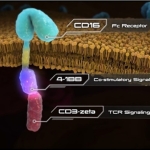
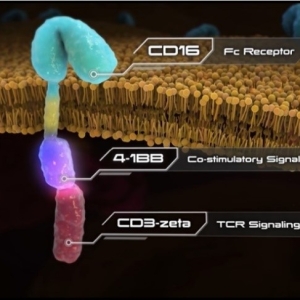
CIK cells have demonstrated antitumor activity in research settings, yet persistence, tumor specificity, and microenvironmental suppression can limit performance. Genetic engineering and CAR-CIK...
Despite rapid advances in regenerative medicine, iPSC generation remains a significant technical challenge due to challenges in efficiency, genomic integrity, and reproducibility. Discover how...
Stem cell research is reshaping disease modeling and drug discovery, but reproducibility, model relevance, and cell characterization remain major hurdles. Integrated stem cell platforms can help...
RNA therapeutics face key delivery challenges including instability, targeting limits, and scale-up variability. Advances in lipid nanoparticles, micelles, and integrated platforms—such as those...
AAV vectors are transforming gene therapy, but manufacturing complexity, quality control demands, and delivery limitations remain major industry challenges. Discover how advanced AAV solutions...