
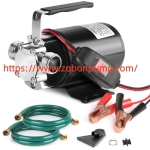

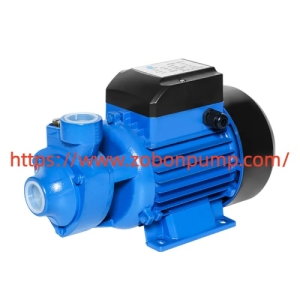
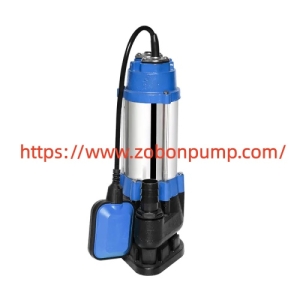
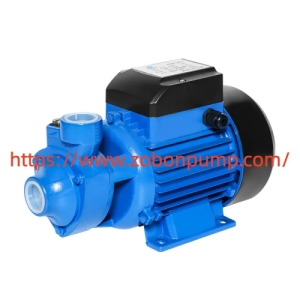
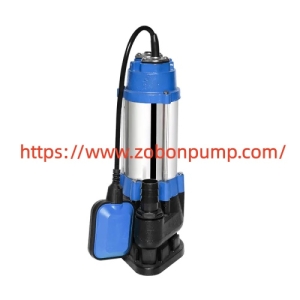
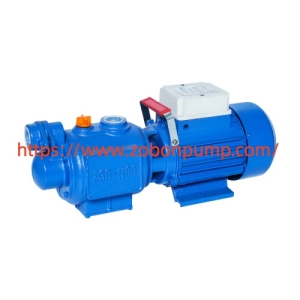
Portable Water Pump care during outdoor assignments relies on consistent habits that protect components and sustain output under changing conditions. Begin each day with a visual survey of the housing for cracks dents or loose fasteners. Confirm that inlet screens sit free of leaves mud or other debris so that flow remains unobstructed. Check all hose connections for tightness and examine flexible lines for soft spots or abrasions that could open under pressure.
Power sources demand equal attention. For battery driven models verify charge levels and clean contact points to ensure reliable starts. Fuel powered versions require fresh fuel free of water contamination along with clear air filters that allow full combustion. Avoid running the unit dry even for short periods because seal faces overheat rapidly and lose their sealing ability. After each session flush internal passages with clean fluid to clear residual particles that settle and harden overnight.
Zobonpump designs equipment so that these routine steps remain straightforward for operators in remote locations. Lubrication points should receive the correct grade of grease or oil at intervals listed in the manual. Over greasing attracts dirt while under greasing allows metal contact that accelerates wear. Bearings and shafts benefit from this attention especially when the unit experiences frequent starts and stops.
Storage practices after the workday further extend service intervals. Drain residual fluid if freezing temperatures are expected then wipe exterior surfaces dry. Place the unit in a shaded ventilated area rather than direct sun or damp ground. Cover electrical connectors with protective caps to block moisture entry. When transporting secure the equipment so that shocks do not misalign shafts or damage impellers.
Electric Clean Water Pump applications often involve similar field demands where clean fluid delivery remains essential yet access to workshop facilities stays limited. In those settings the same inspection flushing and storage routines prove effective. Operators who record daily run hours and note any rise in vibration or noise can anticipate seal or impeller service before complete stoppage occurs.
Temperature extremes influence component behavior. High heat softens elastomeric seals and thins lubricants while low temperatures stiffen materials and raise starting resistance. Allow the unit to reach ambient temperature before heavy loading when moving between climate zones. Vibration monitoring through simple touch or handheld meters reveals imbalance caused by worn wear rings or bent shafts. Addressing these signals promptly prevents secondary damage to the motor or drive coupling.
Inlet conditions deserve ongoing watchfulness. Cavitation from restricted suction lines produces pitting on impeller surfaces and creates distinctive noise. Maintain adequate submergence of the intake and keep suction hose lengths within recommended limits. Outlet pressure should stay within the design range; excess restriction from closed valves or clogged nozzles forces the unit to operate against high head and generates unnecessary heat.
Training for field crews ensures that start up and shut down sequences follow the intended order. Gradual priming protects seals while controlled deceleration avoids water hammer in connected piping. When multiple units operate side by side assign clear responsibilities for daily checks so that no item is overlooked.
Taken together these practices keep equipment delivering expected volume and pressure across extended outdoor assignments. Attention to visual condition power quality internal cleanliness storage methods and early detection of vibration or noise reduces unplanned downtime and preserves the original clearances that determine efficiency. Users of Zobonpump products find that following these steps supports steady function even under demanding site conditions.
Specifications for current models and compatible accessories are listed at https://www.zobonpump.com/product/ where field requirements can be matched to available configurations.