
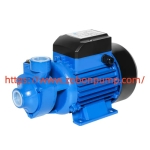

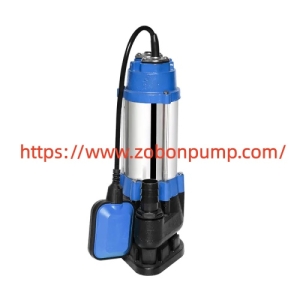
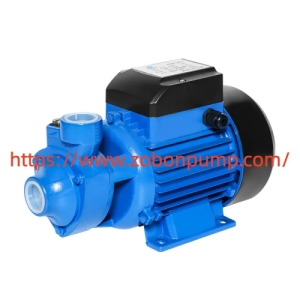
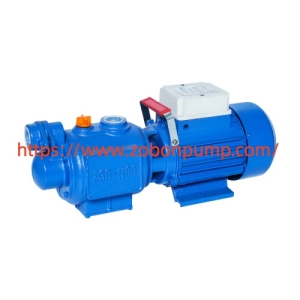
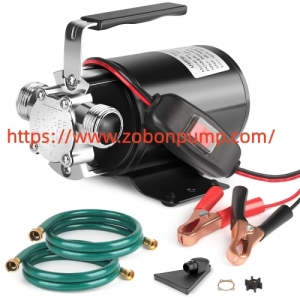
Industrial Water Pump selection can influence how smoothly a facility manages liquid transfer, circulation, drainage, or process support. For buyers, the decision should involve more than comparing motor ratings or quotation prices. Flow, head, fluid characteristics, temperature, materials, suction conditions, operating patterns, and maintenance requirements all deserve attention before confirming a purchase.
Before contacting a manufacturer, buyers should describe how the equipment will be used. A factory circulation system, drainage project, cooling arrangement, irrigation facility, or treatment installation may require different configurations. The type of liquid also matters because viscosity, temperature, solids, chemical properties, and density can affect component selection and operating behavior. Having this information ready makes technical communication easier and gives the manufacturer useful information for assessing a suitable configuration.
Flow and head are two fundamental figures in equipment selection. Flow describes the required liquid volume over a specific period, while head reflects the resistance that the system must overcome. This can include elevation changes, pipe friction, valves, fittings, discharge pressure, and other system losses. Buyers should avoid choosing equipment simply because its motor power or connection size appears suitable. Reviewing the expected duty point against the performance curve can provide a clearer picture of whether a configuration matches the actual installation.
Material selection deserves careful attention, particularly when the liquid contains chemicals, particles, salts, or other substances that may affect components. Temperature should also be included because it can influence seals, construction materials, viscosity, and operating conditions. For general applications, common construction materials may be suitable, while demanding environments can require stainless steel or other compatible options. The appropriate choice depends on the actual medium and working conditions rather than a general assumption.
Electrical specifications should match the project location and operating arrangement. Buyers may need to confirm voltage, frequency, phase, motor protection, control requirements, and installation method before production begins. Installation space is another practical consideration. Suction and discharge arrangements, pipe layout, access for inspection, foundation conditions, and surrounding temperatures can all affect performance after installation. A manufacturer that receives complete project information can provide more relevant technical communication during the purchasing process.
Maintenance should be considered before the purchase rather than after installation. Buyers can ask about seal access, bearing inspection, replacement components, service intervals, spare part availability, and dismantling procedures. Easy access to service points may help maintenance teams reduce unnecessary work during routine inspections. Lifecycle cost also deserves attention. Purchase price is only one part of ownership. Energy use, maintenance requirements, replacement parts, downtime, and expected operating hours can influence the overall financial picture.
A useful supplier discussion should include application details, required flow, head, liquid characteristics, temperature, solids content, operating schedule, power supply, installation arrangement, and preferred materials. Buyers can also request performance curves, dimensional information, technical drawings, packing details, and available accessories. Caifu can work with B2B buyers around these practical requirements, helping connect product configuration with the conditions of a specific project. Clear communication before production can make quotation comparison easier and help buyers confirm whether different offers contain comparable specifications.
For buyers preparing a new project or reviewing replacement equipment, a detailed technical checklist can make the sourcing process more organized. If you are comparing configurations for your next fluid handling application, Caifu offers a practical route for discussing configuration requirements, application conditions, and related product details. Visit https://www.zobonpump.com/ to review available information and continue planning around your specific project needs.