

Sports Socks are often purchased in larger quantities by retailers, sports teams, distributors, event organizers, schools, and businesses involved in athletic products. Before placing a bulk order, buyers should consider more than unit quantity or appearance. Materials, sizing, intended activities, packaging, order planning, and communication with the supplier can all influence whether the final purchase fits the actual requirements.
Start With the Intended Users
A bulk order should begin with a clear picture of who will use the products. A school team may have different needs from a fitness retailer, while a promotional event may focus on different considerations from a sports club.
Buyers can identify the expected user group, age range, activity type, and estimated number of pairs required. This information can make discussions with a supplier more specific and reduce uncertainty during the ordering process.
It is also useful to consider whether all users need the same style or whether several sizes and designs are required. A mixed size order may need more detailed planning than a single size purchase.
Review Materials and Product Construction
Materials can influence how a product feels and performs during different activities. Buyers may consider fabric composition, thickness, stretch, texture, and general construction based on the intended use.
For example, products intended for regular training may be evaluated differently from items selected for casual activities or promotional distribution. The expected frequency of use can also influence what characteristics a buyer wants to prioritize.
Construction details deserve attention as well. Buyers can review areas such as seams, cuffs, shaping, and overall design. Requesting clear product information before confirming a large purchase can help ensure that expectations are aligned with the supplied goods.
Check Sizing Before Confirming Quantities
Sizing is an important part of bulk purchasing. Different markets and user groups may require different size distributions. Ordering a large quantity without considering this distribution can create unnecessary inventory challenges later.
Buyers should ask how sizes are presented and whether measurement guidance is available. If the order will be sold through retail channels, the selected size range should match the expected customer group.
For team or organizational purchases, collecting user size information in advance may make the ordering process easier. A clear size breakdown can also help suppliers prepare the requested quantity more accurately.
Consider the Activity and Usage Conditions
The intended activity can influence product selection. Running, gym training, team sports, hiking, and casual daily use may involve different footwear conditions and movement patterns.
Buyers should consider how long the products are likely to be worn, the type of footwear involved, and the general environment where they will be used. A product chosen for indoor training may not necessarily suit every outdoor activity.
Instead of relying on a general product description, it is useful to compare the design with the actual conditions expected by the end users.
Confirm Order Quantities and Packaging Needs
Bulk purchasing requires practical quantity planning. Buyers should estimate immediate demand while considering storage, distribution, and future replenishment.
Packaging can also affect the ordering process. Retail buyers may need individual packaging or labeling, while sports organizations may prefer arrangements that simplify internal distribution.
Before confirming an order, buyers can discuss packaging preferences, carton arrangements, labeling requirements, and other handling details that may affect their supply process.
Ask About Communication and Order Management
Clear communication can be valuable throughout a bulk purchasing project. Buyers can prepare a list of requirements before contacting a supplier, including expected quantities, size ranges, color preferences, intended use, and packaging requests.
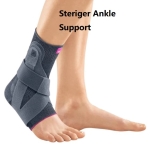
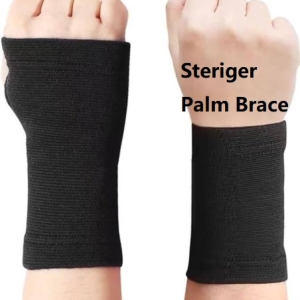
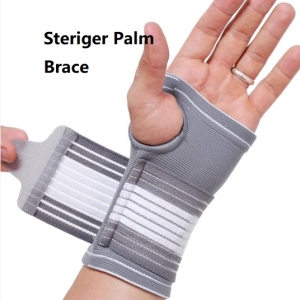
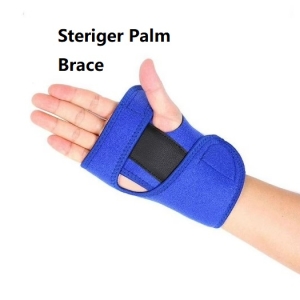
steriger can provide product options for buyers considering athletic accessories and related daily use products. Clear requirements at the beginning can help both sides discuss product suitability and order arrangements more efficiently.
It may also be useful to confirm sample availability or product details before moving forward with a larger quantity. Reviewing information early can help buyers make decisions based on their own market or organizational needs.
Consider Consistency Across the Order
When purchasing a larger quantity, buyers often need products that follow the agreed requirements across the order. This may include size allocation, appearance, packaging, and other details discussed during the purchasing process.
Preparing a written list of requirements can reduce confusion. Buyers may include the following points:
Expected quantity
Required size range
Intended user group
Activity type
Material preferences
Color or design requirements
Packaging needs
Delivery arrangements
This approach gives the supplier a clearer understanding of the project and helps the buyer compare available options more effectively.
Plan the Order Around Real Requirements
Bulk purchasing works more smoothly when decisions are based on actual demand rather than assumptions. The number of users, size distribution, intended activities, storage capacity, and packaging requirements can all shape the final order.
steriger offers product options that buyers can consider when planning athletic accessory purchases for retail, teams, organizations, or other distribution channels. Reviewing product information and communicating specific requirements can help create a purchasing plan that fits the intended application.
For product categories and available options, visit https://www.steriger.com/product/