
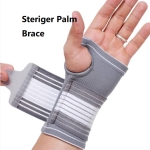

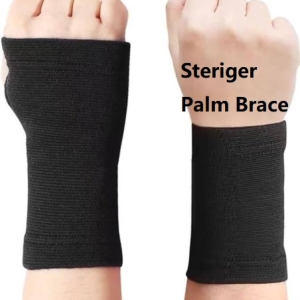
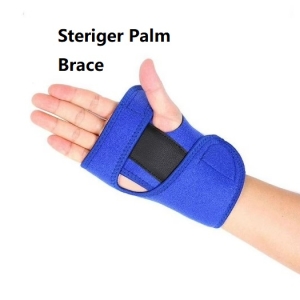
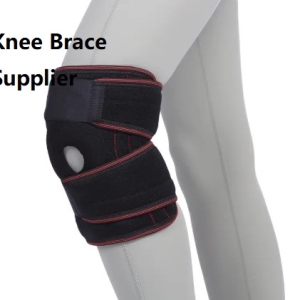
Palm Brace selection should begin with the activity, not simply the appearance of the product. Office work, manual tasks, fitness sessions, racket sports, cycling, and other activities place different demands on hand movement. Buyers should consider how often the product will be worn, what movements are involved, how much flexibility is required, and whether the design can remain comfortable during regular use. A suitable choice should fit naturally into the users routine rather than create unnecessary restrictions.
Start With Your Daily Activities
The first step is to identify what the wearer actually does throughout the day.
Someone working at a computer may spend hours typing and using a mouse. A warehouse worker may repeatedly grip tools, lift materials, or move packages. A fitness enthusiast may perform exercises involving pressing, pulling, or weight-bearing movements.
These situations require different design priorities. A product intended for short exercise sessions may not provide the same wearing experience as one intended for several hours of work.
Looking at the real activity first makes the selection process more practical.
Consider How Much Movement You Need
Hand mobility matters when choosing support equipment.
Sports can involve quick changes in hand position, repeated gripping, or contact with equipment. Work tasks may require detailed finger movement, tool handling, carrying, or frequent changes between activities.
A design that restricts movement unnecessarily can interfere with normal tasks. At the same time, a very flexible construction may not provide the level of stability some users expect.
The right balance depends on the activity. Buyers should think about the movements that must remain unrestricted and the areas where additional positioning may be useful.
Pay Attention To Fit
Fit affects both comfort and everyday usability.
Before purchasing, buyers should check the manufacturers sizing method and measure the relevant part of the hand according to those instructions. Labels such as small, medium, or large can vary between product ranges.
A suitable fit should stay in position without creating excessive pressure. If the product shifts repeatedly during gripping or movement, it may become distracting.
Adjustable fastening can make fitting easier, particularly when different users have slightly different hand dimensions. Businesses sourcing products for several customer groups may also benefit from offering multiple size choices.
Compare Materials Carefully
Material selection can change the wearing experience significantly.
A breathable textile may suit people who wear support equipment during long work periods. A more flexible construction can be useful for activities where frequent hand movement is required.
Sports users may also consider moisture and heat because physical activity can increase perspiration. Workers may encounter different conditions depending on whether they work indoors, outdoors, or in warm environments.
Soft contact areas can contribute to comfort, while reinforced sections may provide additional structure where needed.
Rather than judging materials by appearance alone, buyers should connect them with the expected environment and wearing duration.
Look At The Fastening Method
The fastening system is another practical consideration.
A simple closure may be convenient for users who frequently put the product on and remove it. Adjustable straps can provide more control over the fit, which may be useful when activity levels change during the day.
For sports, the fastening should remain secure during repeated movement. For work, users may appreciate a system that can be adjusted without taking too much time.
Businesses should also consider whether the intended users can operate the closure easily. Simple handling can make a difference when products are used regularly.
Think About Finger And Thumb Freedom
Hand support should not unnecessarily interfere with everyday dexterity.
Many jobs require users to handle small objects, operate tools, type, write, or control equipment. Sports can also require precise gripping and changes in hand position.
An open design around the fingers may provide greater freedom for detailed tasks. Additional coverage can be considered when the intended application requires a more structured approach.
The right choice depends on what the user needs to do while wearing the product. Buyers should test typical movements rather than evaluating the design while the hand remains still.
Match The Product With Sports Use
Different sports create different hand demands.
Weight training may involve gripping bars or handles under load. Racket sports involve repeated swings and changes in grip. Cycling may involve prolonged contact with handlebars, while recreational activities can involve a mixture of gripping and movement.
Sports users should therefore consider mobility, fit, sweat management, and secure positioning.
Trying the product during low-intensity movements before extended training can help identify problems such as shifting, pressure points, or interference with grip.
If the product is being used because of an injury or medical condition, professional advice should take priority over general product selection guidance.
Match The Product With Work Use
Work environments can also vary considerably.
Office employees may prioritize light construction and comfort during keyboard use. Retail staff may need flexibility for handling products. Manual workers may place greater importance on secure positioning during repetitive gripping.
Long work periods make comfort especially relevant. Materials that feel acceptable for a short session may become less comfortable after several hours.
Employers and distributors purchasing multiple units can consider size availability, ease of adjustment, cleaning requirements, and the range of tasks performed by intended users.
Consider Comfort Over Time
A product can feel comfortable during a brief fitting but behave differently during extended use.
Buyers should think about heat, pressure, friction, and movement throughout a typical working or training period.
Pay attention to areas where seams, fastening points, or reinforced sections contact the skin. The product should remain appropriately positioned without creating unnecessary irritation.
For businesses, user comfort can also influence customer satisfaction because products that are uncomfortable during routine use may be used less consistently.
Review Cleaning And Maintenance
Regular use naturally creates maintenance requirements.
Sports activities can expose products to sweat and moisture, while workplace environments may involve dust or contact with different surfaces.
Before purchasing, buyers should check the recommended cleaning process and determine whether it fits the users normal routine.
It is also useful to inspect stitching, fastening areas, elastic sections, and other frequently stressed parts from time to time. Proper care can help keep the product suitable for continued everyday use.
Consider Different Customer Groups
Businesses rarely serve exactly one type of user.
A sports retailer may work with runners, gym users, racket sport participants, and recreational athletes. A workplace distributor may supply products for office staff, warehouse workers, technicians, or manual workers.
Instead of selecting products based on a single application, buyers can organize requirements into several categories.
Size range, material feel, adjustment, mobility, intended activity, and maintenance can then be compared across those groups.
This approach can make product sourcing more structured while allowing businesses to build a product range around actual customer needs.
How steriger Approaches Product Selection
steriger provides wearable support solutions for businesses considering different daily and active-use applications. When evaluating a product range, buyers can focus on the relationship between construction and the users actual routine.
For sports applications, mobility and secure positioning may receive greater attention. For workplace applications, extended comfort, adjustment, and practical handling can become more important.
The purchasing process becomes clearer when these requirements are identified before discussing individual product options.
Questions To Ask Before Ordering
Before placing an order, buyers can review several practical points.
What activities will users perform while wearing the product?
How long will it normally be worn?
Which movements must remain unrestricted?
Is the sizing system clear?
Can the fit be adjusted?
Are the materials suitable for the expected environment?
How should the product be cleaned?
Can users put it on and remove it without unnecessary difficulty?
These questions can help buyers compare products based on real use rather than appearance alone.
A Practical Way To Make The Final Choice
Selecting hand support for work and sports is mainly about matching the design with the users routine.
A product used for computer work may need different characteristics from one used during strength training or manual labor. Fit, mobility, material, fastening, comfort, and maintenance should therefore be considered together.
steriger offers options for businesses evaluating support products across different everyday and active scenarios. Buyers can review their target users, expected activities, wearing duration, and preferred construction before making a purchasing decision.
For product information and available options, visit https://www.steriger.com/product/