
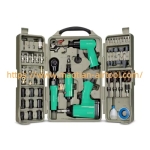

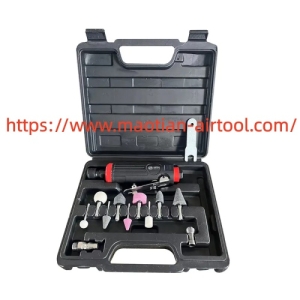
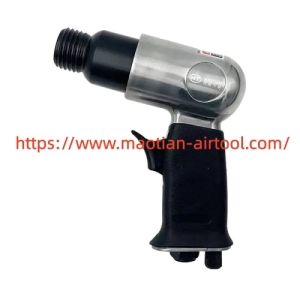
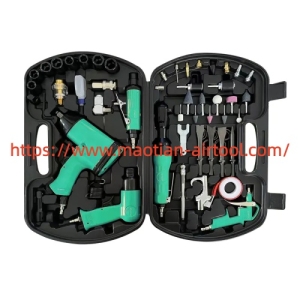
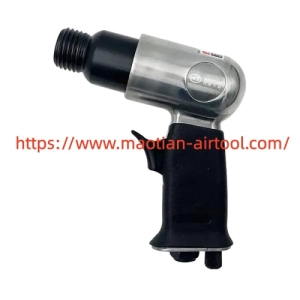
Air Hammer Tool Kit can be a practical addition to automotive repair shops, fabrication areas, maintenance stations, and home workshops where pneumatic impact work is part of the daily routine. Before buying, customers should look beyond the number of attachments in a package and check impact rate, stroke length, shank compatibility, air consumption, compressor capacity, handling, and intended applications. Current buying guides commonly point to these specifications because different combinations can suit very different types of work.
One of the first specifications worth checking is blows per minute, commonly shown as BPM. This figure indicates how frequently the piston strikes the installed attachment. A higher impact frequency can be useful for certain cutting and light material removal tasks, while a lower frequency combined with a longer stroke may provide a different impact character for heavier work. The right balance depends on what the operator needs to accomplish rather than simply choosing a larger number.
Stroke length deserves similar attention. The piston travel affects the character of each impact. Shorter travel can provide a quicker action that suits detailed cutting and lighter applications, while longer travel is commonly associated with heavier impacts. Product specifications currently available on the market illustrate substantial differences, with examples ranging from around 1.4 inches to 3.5 inches of stroke.
Air consumption is another purchasing point that can easily be missed. A pneumatic device is only as practical as the compressed air system supporting it. Some models use around 3 to 5 CFM, while other configurations require considerably more. Buyers should compare the stated requirement at the specified working pressure with the compressors sustained output. A mismatch can result in reduced operating consistency during extended use.
Shank compatibility is important when a package includes several attachments. The common .401 inch shank is widely used for general pneumatic hammer applications, while other sizes are available for different equipment categories. Customers should confirm the shank diameter and retention method before purchase, especially when they already have compatible chisels or plan to add accessories later.
The attachment selection should match the jobs performed in the workshop. Flat chisels may be useful for cutting and general removal. Pointed attachments can suit punching and concentrated impact work. Specialized shapes may be intended for exhaust work, panel operations, scraping, or component separation. A package with several attachments can be convenient, but only when those pieces correspond with the users actual workload.
Automotive repair is one area where pneumatic hammers can support several different operations. They can be used with suitable attachments for tasks such as exhaust component removal, cutting sheet material, separating parts, and working around stubborn fasteners. The appropriate attachment and operating method should always be selected according to the manufacturers instructions and the material involved.
Operator comfort also deserves consideration. Weight, grip shape, trigger position, vibration, barrel design, and overall balance can affect how easily the equipment is controlled. Some current models include features such as vibration reduction, variable speed control, and adjustable air regulation. These details can matter when equipment is used repeatedly throughout a working day.
Maintenance should be part of the purchasing discussion as well. Clean, dry compressed air and suitable lubrication practices can help pneumatic mechanisms operate as intended. Manufacturer instructions should be followed for lubrication intervals, air pressure, hose requirements, and inspection. One published pneumatic hammer manual, for example, specifies clean, dry air and a defined operating pressure, showing why buyers should review model specific instructions rather than applying one assumption to every pneumatic device.
Storage can make a difference when a package contains multiple attachments. A dedicated case or organized storage arrangement helps keep chisels, connectors, and other components together between jobs. For mobile repair teams, this can also make transportation easier and reduce the chance of leaving an attachment behind at a worksite.
Maotian offers pneumatic tools and related workshop equipment for customers comparing equipment according to application, compressor capacity, accessory requirements, and working conditions. For distributors and professional users, reviewing these details before ordering can make product selection more straightforward and help create a configuration that fits actual workshop needs.
A careful purchase should bring all of these factors together. Instead of focusing on BPM or the number of included pieces alone, buyers can compare impact characteristics, stroke length, shank dimensions, air requirements, attachments, ergonomics, maintenance, and storage. Customers interested in reviewing available pneumatic equipment and product configurations can visit https://www.maotian-airtool.com/product/ as part of their equipment selection process.