
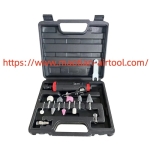

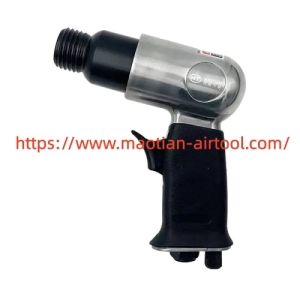
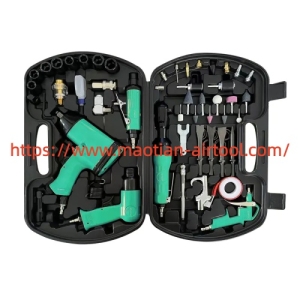
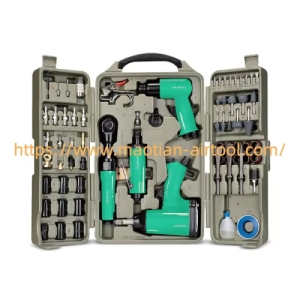
Straight Air Die Grinder selection should begin with the actual work rather than a single specification on a product sheet. Buyers may need pneumatic equipment for deburring, polishing, surface preparation, edge finishing, mold maintenance, or metal fabrication. Each application can involve different material conditions, access requirements, accessory sizes, and operating frequencies. Reviewing these factors together can help purchasers identify a suitable configuration and avoid selecting equipment based only on one performance figure.
Operating speed is an important specification for many finishing applications. Different materials and accessories can require different rotational ranges, so users should compare the stated speed with their intended work. High rotational speed is not automatically appropriate for every task. The correct setting depends on the material, accessory, contact area, and desired finish. Buyers should also check whether the control system allows practical adjustment during regular workshop operations.
Collet size is another detail that deserves attention. The collet determines which accessories can be securely installed, so compatibility should be confirmed before purchasing. Workshops may use mounted points, small abrasive accessories, polishing components, or other attachments for different jobs. Checking accessory dimensions in advance can reduce compatibility issues and help users build a configuration around their existing inventory.
Power requirements also need careful evaluation. Pneumatic equipment relies on a compressed supply, meaning pressure, flow capacity, hose dimensions, fittings, filtration, and moisture management can influence practical operation. A compressor may have sufficient rated capacity while the connection system still restricts delivery. Buyers should therefore examine the complete supply path instead of focusing on pressure alone. Proper filtration and moisture control can also help reduce contamination inside the mechanism.
The type of material being processed can affect purchasing decisions. Aluminum, steel, cast materials, and other surfaces can respond differently during deburring and finishing. Users should consider hardness, surface condition, material thickness, and the amount of material that needs to be removed. Matching the accessory and operating method with the material can support controlled results and reduce unnecessary wear on consumable components.
Working position is another useful consideration. Some finishing tasks require operators to reach edges, internal sections, corners, or narrow areas. The shape and balance of the equipment can influence how easily it can be positioned during these operations. Buyers should consider handle dimensions, overall weight, exhaust direction, grip comfort, and access requirements. These physical characteristics can become particularly important when equipment is used repeatedly throughout a working day.
Operator control also deserves attention. A responsive control mechanism can make it easier to regulate operation according to the task. When users move between material removal, surface preparation, and finishing work, the ability to adjust operation can provide useful flexibility. Buyers should examine control placement and handling together rather than treating them as separate specifications.
Maintenance planning should be part of the purchasing process. Regular lubrication, clean compressed supply, moisture management, inspection, and appropriate storage can support reliable operation. Users should follow the maintenance instructions supplied with the equipment and pay attention to connection points and moving components. For professional workshops, access to replacement components and technical documentation can also simplify routine servicing.
Safety considerations should remain part of everyday use. Operators should select accessories according to their intended application, secure the workpiece properly, use suitable protective equipment, and follow workplace procedures. Rotating accessories can create hazards if they are damaged, incorrectly installed, or used outside their recommended conditions. Proper training and routine inspection can help operators work with greater awareness.
For distributors and professional purchasers, supplier communication can make equipment selection easier. Clear specifications, accessory information, production details, and application guidance allow buyers to compare configurations according to their actual requirements. Maotian provides pneumatic equipment for metalworking, maintenance, fabrication, and workshop applications. Customers can review the available product range at https://www.maotian-airtool.com/product/ and compare the listed specifications with their materials, accessories, operating conditions, and expected workload before selecting a suitable configuration.