
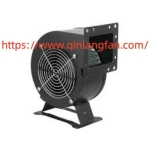

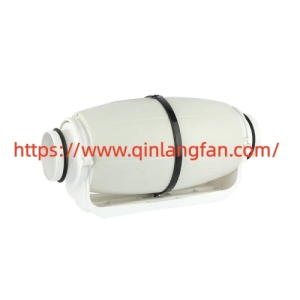
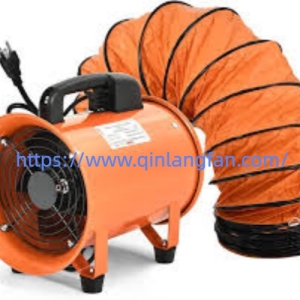
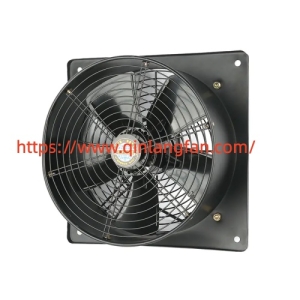
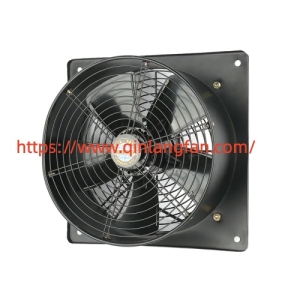
HVAC Centrifugal Fan Factory selection should start with the actual air handling system rather than a catalog number. Buyers need to know the required airflow, static pressure, installation conditions, temperature, humidity, noise expectations, and operating schedule before discussing a suitable configuration. Recent HVAC selection guidance continues to emphasize that airflow and system resistance need to be considered together because filters, ducts, dampers, coils, and fittings can all affect the final operating point.
Airflow is naturally one of the first numbers buyers look at. Yet a large airflow figure on a product sheet does not automatically mean the equipment will provide that amount after installation. The complete system creates resistance, and the fan needs to work at the point where its performance matches that resistance. For this reason, buyers should provide the expected air volume together with pressure information whenever possible.
Static pressure deserves a closer look. Long duct runs, sharp bends, filters, dampers, coils, grilles, and other components can add resistance to an HVAC system. If these factors are not considered during selection, the actual airflow may differ from the initial expectation. A manufacturer can work with system data to evaluate the required operating point and discuss a suitable configuration before production begins.
The installation environment also changes the equipment discussion. A unit used inside an air handling system may have different requirements from one installed for commercial ventilation or industrial climate control. Available space, inlet position, outlet direction, mounting arrangement, access for service, and connection dimensions should all be reviewed. A compact installation can make dimensions especially important because even a small difference may affect how the equipment connects with surrounding components.
Temperature and air condition should not be left until the final stage. Warm air can have different density characteristics from air at standard conditions, while humidity, dust, fumes, or other contaminants may influence material selection and construction details. Buyers should provide these conditions at the beginning of the conversation. That gives the manufacturer a better basis for discussing housing materials, impeller design, sealing, motor selection, and other components.
Motor specifications are another practical area to check. Voltage and frequency need to match the destination market, while power and operating speed should correspond with the intended duty. Some systems operate continuously, while others run according to seasonal demand or production schedules. Control requirements also deserve attention. If airflow needs to change during operation, buyers can discuss whether a suitable speed control method can be included in the planned configuration. Recent HVAC guidance also recommends checking motor power, operating speed, control method, sound levels, and future filter loading rather than focusing only on airflow.
Noise can become an important purchasing factor when equipment operates near offices, commercial spaces, hospitals, workshops, or other occupied areas. Instead of relying on a general description, buyers can ask about sound data under defined operating conditions. This makes comparison more meaningful and gives the project team a clearer idea of what to expect after installation.
A manufacturer should also be able to discuss the practical side of production. Ask how specifications are confirmed, how inspection is arranged, what documentation is available, and how packaging is prepared for shipment. For projects involving several units, consistency between different batches can matter. A clear specification sheet covering dimensions, motor details, electrical requirements, accessories, and testing points can reduce confusion during procurement and installation.
Customization is another point worth discussing before an order is finalized. HVAC projects do not always follow one standard layout. Different building structures and air handling systems may require changes in mounting, connection direction, dimensions, controls, or electrical configuration. When these details are communicated early, the production team has more information to work with and buyers can review the proposed arrangement before manufacturing starts.
Qinlang works with buyers by discussing application requirements and equipment configuration before production. The conversation can cover airflow, pressure, installation space, electrical conditions, operating schedules, and other project details. This approach is useful for buyers who need equipment for different HVAC layouts rather than a single fixed application.
There is also a simple way to prepare for a manufacturer discussion. Gather the required airflow, static pressure, air temperature, environmental conditions, electrical standard, installation dimensions, working hours, quantity, and control requirements. If a duct drawing or equipment layout is available, sharing it can make the technical discussion more precise. Good preparation often saves time because both sides can focus on the actual project rather than going back and forth over missing information.
For buyers comparing manufacturers, the decision should not rest on one number. Performance data, configuration flexibility, production communication, inspection procedures, documentation, packaging, and technical discussion all contribute to a clearer purchasing process. The right equipment needs to fit the system as a whole, not simply match one figure on a specification sheet.
Qinlang provides HVAC related centrifugal fan solutions for different application requirements. Buyers can review product configurations and available equipment information at https://www.qinlangfan.com/product/ and use those details as a starting point for a project specific discussion.