



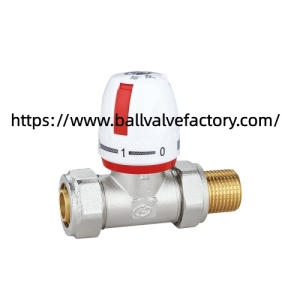
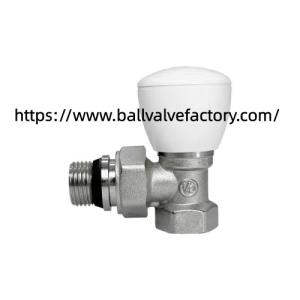
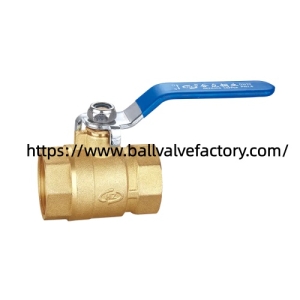
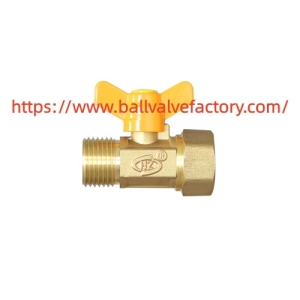
Polished Brass Radiator Valves can influence both the practical setup and visual character of a heating installation, so buyers should examine more than surface appearance before placing an order. Connection dimensions, fitting geometry, control method, material composition, installation position, and maintenance access all deserve attention. Current buying guides also emphasize checking pipe configuration and connection specifications because different layouts may require angled, straight, or corner configurations.
Material selection is an important starting point. Buyers should ask about the body composition, internal components, sealing elements, manufacturing process, and applicable technical requirements. Brass is widely used in plumbing and heating hardware because it can be machined into detailed components and is suitable for many water handling applications. When sourcing products for different markets, purchasing teams can also request material documentation and production specifications to support their internal quality procedures.
Connection size should be checked before appearance or finish. The existing pipework, equipment connection, thread specification, and installation arrangement need to work together. Current trade guidance notes that common heating installations can use different pipe sizes and connection arrangements, while some systems may also use standardized head connections. Checking these details before ordering can reduce the possibility of adapters, alterations, or installation delays.
The physical shape deserves similar attention. Straight configurations can suit certain wall or floor arrangements, while angled and corner configurations can help accommodate different pipe routes. The appropriate geometry depends on where the supply line approaches the heating unit and where the connection is positioned. Buyers should therefore provide drawings, measurements, or installation photos when discussing customized requirements with a manufacturer.
Control method is another point that should be clarified. Manual controls allow users to adjust flow directly, while thermostatic technology can respond to surrounding room temperature. A lockshield component has a different function and is generally used for flow balancing rather than everyday temperature adjustment. Understanding these roles helps buyers specify the right combination for each project instead of treating every control component as interchangeable.
Project requirements can vary considerably between residential renovations, hotels, apartments, offices, and other commercial spaces. A renovation may need hardware that works with existing pipe positions, while a new development can provide greater freedom during the planning stage. In either situation, buyers should consider the intended control method, connection route, available clearance, and expected maintenance procedure before confirming specifications.
The finish also deserves practical consideration. A polished metallic appearance can work with traditional interiors, contemporary rooms, decorative heating equipment, and coordinated plumbing hardware. Buyers can compare the surface treatment with nearby taps, handles, towel rails, and other visible fittings. The goal is to create a consistent appearance while ensuring that the selected treatment corresponds with the intended installation environment.
Maintenance access should be reviewed during the purchasing stage rather than after installation. Buyers can ask how replacement components are supplied, whether seals and internal parts are available separately, and how the fitting can be isolated during servicing. Some shutoff products are designed to allow individual equipment to be isolated for repair without affecting the entire heating circuit, which can be useful when planning service procedures.
For distributors and contractors, packaging and documentation can also influence procurement efficiency. Technical drawings, dimensional information, connection details, material specifications, surface options, inspection procedures, and packing information give purchasing teams a clearer basis for evaluating different configurations. These details are particularly useful when several models are being sourced for one project or when products need to meet different regional requirements.
Qixiang works with buyers who need heating hardware for different installation conditions and market preferences. Product discussions can cover dimensions, materials, surface treatments, connection arrangements, packaging, and other manufacturing requirements. Clear communication at this stage helps buyers provide the information needed to match a configuration with the intended application.
A practical purchasing process can begin with the existing pipe route, followed by connection dimensions, fitting geometry, control requirements, material details, finish selection, and service considerations. Reviewing these points together gives buyers a clearer basis for procurement and helps reduce avoidable installation changes. For customers comparing heating hardware and discussing manufacturing requirements with Qixiang, product details and sourcing options can be reviewed through https://www.ballvalvefactory.com/product/ as part of a project focused purchasing process.