
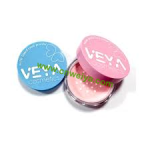

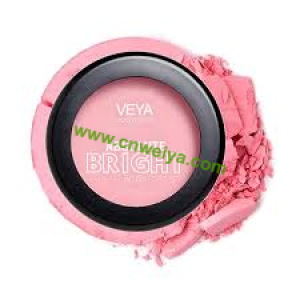

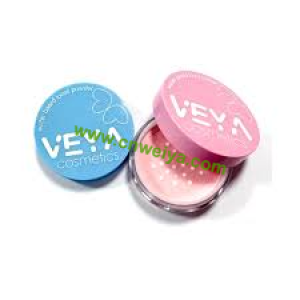
A makeup line that ignores skin type tends to disappoint customers who expected a product to work with their complexion rather than against it. This is why brand founders and product managers ask whether a Foundation Powder Factory can customize formulas for different skin types. The answer is yes, though the process involves more than swapping one ingredient for another. VEYA operates as a foundation powder factory with years of experience in color cosmetics, and questions about skin-specific formulation come up regularly during product development discussions. Have you considered how your target customer's skin behaves after a full day of wear?
Oily skin presents the first challenge for formulators. Excess sebum breaks down powder foundations quickly, causing shine to appear within hours and color to shift. Factories address this by selecting oil-absorbing ingredients such as silica or clay minerals that soak up surface oil without stripping the skin. The binder system matters too, since a binder that holds pigment together too tightly can feel heavy, while one that releases too easily leads to patchy wear. Finding the balance requires testing across humidity levels and wear durations.
Dry skin calls for a different approach. Powder foundations can emphasize flakiness and fine lines when they lack sufficient emollients. Factories incorporate moisturizing agents and softer powders that glide across the skin rather than dragging. Some formulas include oils or butters that melt at skin temperature, providing slip during application while maintaining a powder finish. The challenge lies in adding enough comfort without creating a product that cakes or separates in the pan.
Combination skin adds complexity because different zones of the face behave differently. The T-zone may produce oil while cheeks stay dry, and a single formula must serve both. Factories often develop powders with moderate oil absorption and balanced texture, then advise brands to position the product for combination skin with application tips that address each zone. This approach acknowledges that no single formula performs identically on every part of the face.
Sensitive skin requires attention to both ingredients and processing. Fragrance, certain preservatives, and harsh pigments can trigger reactions in reactive skin. Factories that serve sensitive-skin markets maintain ingredient libraries with documented safety profiles and avoid components that commonly cause irritation. Production lines may be dedicated or cleaned extensively between runs to prevent cross-contamination from previous batches.
The customization process begins with a clear brief. Brands share the skin type they want to address, the finish they prefer, the coverage level, and any ingredient restrictions. Factories then propose base formulas from their existing library or develop new ones. Samples follow, and brands test them on volunteers or internal panels. Feedback drives adjustments until the formula meets expectations. This cycle may repeat several times before production begins, and factories with efficient sampling processes shorten the timeline.
Ingredient sourcing affects both performance and cost. Factories with established supplier relationships can access consistent raw materials, which matters when a formula relies on a specific grade of powder or binder. Changes in sourcing can alter how a product feels, so factories that lock in supply for successful formulas help brands maintain consistency across reorders.
Testing goes beyond skin type matching. Stability tests confirm that the powder holds its texture and color over time. Microbiological tests ensure safety. Compatibility tests check that the formula works with the intended packaging. These steps protect brands from launching products that fail after a few months on shelves.
For brands comparing factories, the practical questions involve sample turnaround, minimum order quantities, and the factory's experience with similar products. A factory that has developed powders for oily skin before will understand the pitfalls faster than one learning from scratch. Reviewing past projects and requesting references helps narrow the field. VEYA produces foundation powders and other color cosmetics for brands across multiple markets, and the company's product range at https://www.cnweiya.com/ covers formulations designed for different skin needs.