
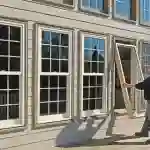




Windows play an important role in your home's comfort, appearance, security, and energy efficiency. Over time, window frames, seals, and glass can deteriorate because of age, moisture, changing temperatures, and everyday use. Damaged or outdated windows may allow drafts, make indoor temperatures harder to control, and affect the overall appearance of your property. Knowing when to consider window replacement can help you address these problems and improve your home's functionality. By recognizing common warning signs and exploring modern window options, you can make an informed decision that suits your needs and budget.
Signs Your Home May Need Window Replacement
Several warning signs can indicate that your existing windows need professional attention. These include cracked glass, damaged frames, persistent drafts, difficulty opening or closing windows, and condensation between double-pane glass. You may also notice deteriorating seals, water intrusion, or increased outside noise. Although some problems can be corrected through repairs, extensive damage or repeated failures may make window replacement a more practical long-term solution. A qualified window specialist can inspect the affected areas, identify the underlying issues, and recommend the most appropriate option for your home.
Improve Energy Efficiency With Modern Windows
Older or poorly sealed windows can allow unwanted air movement, making it more difficult to maintain comfortable indoor temperatures. This may increase the workload on your heating and cooling system. Modern windows with suitable glazing, insulated frames, and effective weather seals can help reduce unwanted heat transfer when properly selected and installed. However, the actual energy savings depend on your climate, existing windows, insulation, air leakage, and household energy use. Before choosing new windows, compare their performance ratings and discuss which features are best suited to your property's needs.
Address Drafts and Air Leaks
Drafty windows can make certain rooms feel uncomfortable, especially during extreme weather. Air leaks may develop because of worn weatherstripping, deteriorated caulk, loose frames, or gaps around the window opening. In some cases, replacing seals or repairing the existing window may resolve the problem without requiring a complete upgrade. When drafts persist because of damaged frames or an inefficient window design, window replacement may offer a more reliable solution. A professional assessment can help determine whether localized repairs or new windows are likely to provide better results.
Recognize Condensation and Moisture Problems
Condensation can appear on windows for several reasons, including indoor humidity, temperature differences, and failing window seals. Moisture on the interior glass surface does not necessarily mean the window needs replacement, as ventilation and humidity control may help address the issue. However, condensation trapped between the panes of an insulated glass unit can indicate a failed seal. Water around window frames may also suggest drainage, flashing, or installation problems. Identifying the source of the moisture is essential before deciding on repairs or replacement, particularly if surrounding walls show signs of water damage.
Choose the Right Window Style for Your Home
Modern windows are available in several styles, including double-hung, casement, sliding, awning, and picture windows. Each style offers different advantages in ventilation, operation, appearance, and maintenance. Double-hung windows allow ventilation through adjustable upper and lower sashes, while casement windows open outward to provide a wide opening when appropriate for the location. Picture windows are designed primarily to provide views and natural light rather than ventilation. When planning window replacement, consider your home's architectural style, room layout, ventilation requirements, and the ease of cleaning and operating each window type.
Understand Window Frame Materials
The frame material affects a window's appearance, durability, maintenance requirements, and thermal performance. Vinyl frames are popular because they generally require relatively little maintenance and are available in various styles and colors. Fiberglass frames offer dimensional stability and can provide strong thermal performance, depending on their design. Wood frames provide a traditional appearance but usually require more maintenance to protect against moisture and deterioration. Aluminum frames are durable, although their thermal performance depends on features such as thermal breaks. Comparing these materials can help you select windows that balance appearance, performance, and long-term costs.
How Window Replacement Can Improve Curb Appeal
Windows contribute significantly to the exterior appearance of a home. Outdated frames, damaged glass, and mismatched window styles can make a property look less attractive. Installing new windows can create a cleaner, more consistent appearance while complementing the home's siding, trim, doors, and roofing. Homeowners can choose frame colors and designs that suit traditional or contemporary architecture. In addition to improving curb appeal, properly installed windows can help maintain a secure and weather-resistant building envelope. The best design is one that complements the property's existing features while meeting practical performance requirements.
What to Expect During the Window Replacement Process
A typical window replacement project begins with an assessment of the existing windows, measurements of each opening, and selection of suitable products. The contractor should explain whether the project involves replacing the window unit within the existing frame or removing more of the surrounding assembly. During installation, the old window is removed as required, the opening is inspected, and the new unit is fitted, sealed, and secured according to manufacturer instructions. Proper flashing and moisture management are particularly important for preventing water intrusion. After installation, the contractor should check window operation, inspect the seals, and explain applicable warranties and maintenance recommendations.
Factors That Affect Window Replacement Costs
The cost of window replacement varies depending on the number of windows, their sizes, frame materials, glass specifications, installation complexity, and local labor rates. Custom shapes, specialized glazing, difficult access, and repairs to damaged window openings may increase the total expense. Homeowners should request detailed written estimates that identify product specifications, labor, removal and disposal, finishing work, and any additional charges. Comparing estimates based on similar products and installation requirements provides a more accurate picture of value. It is also worth reviewing warranty coverage and energy-performance ratings rather than selecting windows solely on initial price.
How to Choose a Reliable Window Replacement Contractor
Selecting an experienced contractor can help ensure that your new windows are installed correctly and perform as intended. Review customer feedback, previous projects, insurance coverage, and applicable local licensing requirements. Ask for a written estimate describing the selected windows, installation methods, expected schedule, payment terms, and cleanup arrangements. You should also clarify who is responsible for obtaining any required permits and whether the product and workmanship warranties are provided separately. A professional contractor should explain the available options, answer your questions, and identify any existing damage that may need attention before installation begins.
Conclusion
Knowing when to consider window replacement can help you improve your home's comfort, appearance, and overall functionality. Cracked glass, damaged frames, persistent drafts, failed seals, and recurring moisture problems are important signs that deserve attention. While some issues can be resolved with repairs, replacing severely damaged or outdated windows may offer better long-term value. By selecting suitable window styles and materials, comparing detailed estimates, and working with a qualified contractor, you can make an informed investment in your home's exterior and enjoy the benefits of properly installed windows for years to come.