




A properly maintained septic system is essential for managing household wastewater safely and efficiently. Properties that are not connected to a municipal sewer system depend on septic tanks and drain fields to collect, treat, and disperse wastewater. Over time, solid waste accumulates inside the tank, and different system components may experience wear, blockages, or damage. Regular maintenance and timely repairs help prevent these issues from developing into expensive emergencies.
Septic pumping and repair services address two important aspects of septic system care. Pumping removes accumulated sludge and floating scum from the tank, helping maintain adequate capacity and supporting normal operation. Repair services address specific problems affecting the tank, pipes, filters, outlets, and other system components. Although pumping is an important maintenance task, it does not automatically resolve every septic problem. A damaged pipe, failing drain field, or malfunctioning component may require a separate diagnosis and repair.
The appropriate service depends on the system's age, tank capacity, household size, water consumption, and maintenance history. Property owners who understand these factors can make informed decisions about scheduling service and recognizing potential problems. Working with a qualified septic professional also helps ensure that inspections, pumping, and repairs are performed safely and in accordance with applicable local requirements.
2. Warning Signs Your Septic Tank Needs Pumping
One of the most common signs of a septic system problem is slow drainage throughout the property. When multiple sinks, showers, or toilets drain slowly, the issue may involve the septic tank, a sewer line obstruction, or another shared plumbing component. A single slow drain may have a localized cause, but several affected fixtures deserve closer attention. Professional assessment can help determine whether pumping or another solution is necessary.
Unpleasant sewage odors around the tank, near plumbing fixtures, or in the yard may also indicate that the system requires attention. Persistent odors should not be ignored, especially when accompanied by gurgling sounds, recurring backups, or unusual wastewater levels. In some cases, these symptoms may result from a plumbing blockage, damaged pipe, ventilation issue, or drain field problem rather than a full tank alone.
Standing water or unusually wet soil near the drain field can be another warning sign. Grass that appears unusually green in one area may also indicate that wastewater is reaching the surface. These conditions can suggest that the system is not dispersing wastewater properly and should be inspected promptly. Pumping may be necessary, but it should not be assumed to be the complete solution until the underlying cause is identified.
There is no single pumping schedule that suits every property. Tank size, household occupancy, water usage, and the amount of solids entering the system all influence service frequency. A septic professional can recommend an appropriate schedule based on the tank's condition and applicable guidance. Waiting until wastewater backs up into the home is not a reliable maintenance strategy because the problem may already have become serious.
3. Common Septic System Repairs and Their Causes
Septic systems contain several components that can develop problems over time. Pipes may become obstructed by unsuitable materials, roots, or accumulated debris. Filters can become clogged, while inlet and outlet components may deteriorate or become damaged. A qualified technician can inspect accessible components and determine whether cleaning, replacement, or another repair is appropriate.
Septic tank damage is another concern. Depending on the tank material and age, problems may include cracks, deteriorating surfaces, damaged access covers, or leaking connections. These issues can affect system performance and may create safety or environmental concerns. Tank inspection and repair should be handled by trained professionals because septic tanks can contain hazardous gases and present serious confined-space risks.
Drain field problems can be more complex. When soil absorption becomes impaired, wastewater may collect near the surface, create odors, or flow back toward the property. Potential causes include excessive water use, accumulated solids entering the field, unsuitable soil conditions, physical damage, or long-term system deterioration. Pumping the tank may help in some situations, but a failing drain field may require additional evaluation, rehabilitation, or replacement.
Accurate diagnosis is essential before choosing a repair. Similar symptoms can have different causes, and unnecessary work may increase costs without resolving the issue. Property owners should ask the technician to explain the findings, identify the affected components, and describe why the recommended repair is appropriate. Clear communication helps ensure that the work addresses the actual problem rather than only its visible symptoms.
4. What to Expect During Professional Septic Pumping
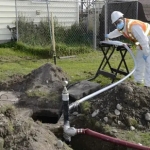
Professional septic pumping generally begins with an assessment of the tank's location, access points, and visible condition. The technician identifies the appropriate access cover and uses specialized equipment to remove accumulated sludge and scum. Depending on the service requested and the system's design, the technician may also inspect accessible components, check the condition of filters, and note signs of leakage or abnormal wastewater levels.
After pumping, the technician may explain whether the tank appears to be operating normally or whether further inspection is recommended. Pumping does not necessarily mean the tank is free from defects, and it does not repair damaged pipes or restore a failing drain field. If the service reveals unusual conditions, additional diagnostic work may be needed before the system can be considered reliable.
Property owners can prepare for the appointment by providing the tank's location, previous pumping records, and any known information about recent backups or drainage issues. If the access point is buried or difficult to locate, sharing available system plans can save time. Keep vehicles, pets, and unnecessary equipment away from the work area so the technician can access the system safely.
The cost of pumping varies according to tank size, accessibility, location, the amount of accumulated material, and local service rates. Additional inspections or repairs may increase the total cost. Before the appointment, request an explanation of what the quoted price includes and whether disposal fees or additional charges may apply. Keeping a record of the completed service helps establish a useful maintenance history for future visits.
5. How to Prevent Expensive Septic Repairs
Preventive maintenance is one of the most effective ways to reduce the likelihood of major septic problems. Regular inspections and appropriately timed pumping help technicians monitor tank conditions and identify developing issues. Maintaining service records also makes it easier to recognize recurring problems and determine whether a system requires additional attention.
Responsible water use is equally important. Large amounts of wastewater entering the tank within a short period can overload the system and affect the drain field's ability to absorb water. Repair leaking faucets and toilets, consider water-efficient fixtures, and spread laundry loads throughout the week rather than completing them all at once. These simple habits can help maintain a more balanced wastewater flow.
Only suitable materials should enter household drains. Grease, cooking oil, wipes, paper towels, hygiene products, and other non-flushable items can contribute to blockages or interfere with system operation. Use household cleaning products as directed, and avoid pouring large amounts of harsh chemicals into the plumbing. Unverified additives should not be treated as substitutes for routine pumping or professional inspections.
Protecting the drain field is another important preventive measure. Avoid driving vehicles or placing heavy equipment over the area, and do not construct buildings or paved surfaces above it unless the system's design and local regulations permit this. Keep roof runoff and other surface water away from the drain field where appropriate, and manage nearby vegetation to reduce the risk of roots damaging pipes. These measures help protect the system and may reduce the need for major repairs.
6. Choosing a Reliable Septic Pumping and Repair Company
Selecting an experienced septic contractor can make maintenance and repairs more straightforward. Look for a company with relevant experience, appropriate licensing where required, and suitable insurance. A reliable provider should understand local requirements and be familiar with the types of septic systems commonly installed in the area. The company should also explain its services clearly and provide practical recommendations based on the property's actual condition.
Before agreeing to major work, request a written estimate that describes the proposed service, expected labor, materials, equipment, and any additional charges. Ask whether an inspection is included and what the technician will do if a more serious problem is discovered. For complex repairs, it may be useful to obtain a second professional opinion before making a substantial financial commitment.
Good service providers prioritize accurate diagnosis and transparent communication. They should explain the difference between routine pumping, minor repairs, and larger system improvements. Be cautious of contractors who recommend expensive replacement work without a reasonable assessment or who promise that pumping will solve every possible septic issue.
Emergency response may also be important when wastewater is backing up into the home or surfacing in the yard. Ask about the company's availability, response procedures, and any additional fees for urgent visits. After the work is completed, retain receipts, inspection reports, and repair details. A consistent service history supports better maintenance planning and helps future technicians understand the system's condition.
Conclusion
Septic pumping and timely repairs are essential for maintaining a dependable wastewater system and protecting the property from avoidable damage. Recognizing warning signs such as slow drains, persistent sewage odors, recurring backups, and standing water can help homeowners seek assistance before problems become more severe. Routine pumping removes accumulated waste, while professional repairs address damaged or malfunctioning components that require additional attention.
The most effective approach combines preventive maintenance, responsible water usage, proper waste disposal, and regular professional inspections. By choosing an experienced contractor and following a maintenance schedule suited to the property's needs, homeowners can reduce the risk of unexpected failures and support long-term system performance. Investing in septic pumping and repair services when needed helps protect the home, maintain sanitary conditions, and preserve the reliability of the septic system for years to come.