


Maintaining a beautiful green lawn can require considerable time, water, and regular care. Mowing, fertilizing, watering, and repairing damaged grass can become challenging for homeowners and commercial property managers with busy schedules. Artificial turf installation offers an alternative for creating a consistently green outdoor surface without many of the routine tasks associated with natural grass.
Artificial turf is designed to resemble natural grass while providing a durable surface for selected residential and commercial applications. It can be used in backyards, play areas, pet spaces, rooftop terraces, and certain commercial landscapes. However, the best results depend on choosing appropriate turf, preparing the ground correctly, and ensuring proper drainage. Understanding the installation process, potential costs, and maintenance requirements can help you decide whether artificial turf is suitable for your property.
What Is Artificial Turf Installation?
Artificial turf installation involves preparing a surface and installing synthetic grass designed to provide the appearance of a natural lawn. Modern products are available in different colors, blade lengths, textures, and densities, allowing property owners to choose an option that matches their intended use.
The installation process generally includes removing existing vegetation, preparing a stable base, addressing drainage, positioning the turf, securing the edges, and applying infill when required by the product specifications.
Different types of artificial turf are manufactured for different purposes. Decorative landscape turf may prioritize appearance and comfort, while products designed for sports or pet areas may have specific performance, durability, or drainage characteristics.
Selecting the right product is important because not every turf system is suitable for every environment. Factors such as foot traffic, sunlight, temperature, pets, and maintenance expectations should influence your decision.
Professional installation can help ensure that the finished surface looks consistent, drains effectively, and remains stable under normal use.
Benefits of Artificial Turf for Residential Properties
Homeowners often consider artificial turf because it provides a green appearance throughout the year without requiring mowing. This can be particularly useful for small yards, heavily used outdoor spaces, and properties where natural grass struggles to grow.
One major advantage is reduced routine lawn maintenance. Artificial turf does not require regular mowing, and it generally eliminates the need for lawn fertilizers. However, it still requires occasional cleaning, brushing, debris removal, and inspection.
Another benefit is consistent visual appearance. Properly selected and installed turf can maintain its color and shape through changing seasons, although product quality, sunlight exposure, and usage can affect its long-term appearance.
Artificial turf can also help create usable surfaces in locations where natural grass is difficult to maintain, such as certain shaded areas or compact urban yards. Suitability depends on drainage, temperature, and the specific conditions of the site.
With professional artificial turf installation, homeowners can create an attractive outdoor area that requires a different, often simpler, maintenance routine than a traditional lawn.
Artificial Turf for Commercial Landscapes
Commercial properties often need landscaping that remains presentable while accommodating regular foot traffic and limited maintenance schedules. Artificial turf may be suitable for selected areas around office buildings, retail properties, hospitality venues, and other commercial sites.
A green synthetic surface can complement paved entrances, decorative planting beds, outdoor seating areas, and landscaped courtyards. It may also be useful in small decorative spaces where maintaining natural grass would be inconvenient.
Before choosing turf for a commercial property, consider the expected traffic levels and the product's intended application. High-use areas may require a more durable system, while decorative spaces may prioritize appearance.
Commercial property managers should also consider cleaning requirements, accessibility, fire safety where relevant, and drainage performance. Turf should not obstruct required access routes or replace appropriate planting where living vegetation is an important part of the site's design.
A carefully planned artificial turf installation can help maintain a neat appearance, but product selection should reflect the property's practical needs rather than appearance alone.
Understanding the Artificial Turf Installation Process
Proper installation begins with a detailed assessment of the site. The installer should evaluate the existing ground, identify drainage issues, measure the area, and determine whether vegetation or old surface materials need to be removed.
The first major step usually involves excavation or removal of the existing lawn to create space for the new base. The required depth depends on the turf system, ground conditions, and intended use.
Next, the installer prepares and compacts a suitable base material. A properly constructed base helps provide a stable surface and supports effective drainage. The base should be graded according to the site's requirements so that water does not collect in unwanted areas.
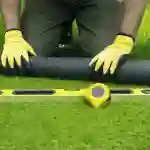
The turf is then positioned and cut to fit the area. Seams should be aligned carefully to create a consistent appearance, while the edges must be secured using suitable methods. Depending on the product, infill may be applied to help support the turf fibers and improve performance.
The final stage involves brushing the fibers upright, checking seams and edges, and inspecting drainage. Professional artificial turf installation should follow the manufacturer's instructions because installation requirements vary among products and systems.
Choosing the Right Artificial Turf
Artificial turf products differ in material, blade shape, pile height, density, backing, and durability. Choosing the right option requires understanding how the surface will be used.
For decorative residential lawns, many homeowners prefer turf that resembles natural grass in color and texture. A moderate pile height may provide a balanced appearance without creating excessive maintenance requirements.
For pet areas, consider products with appropriate drainage and surfaces that are practical to rinse and clean. Odor management also depends on removing waste promptly, using suitable cleaning products, and maintaining the underlying drainage system.
For frequently used commercial areas, durability and resistance to flattening may be more important than a particularly soft texture. If the turf will be used by children, review product safety information and ensure that the installation meets the requirements of the intended play area.
Before purchasing, request product samples and review manufacturer specifications, warranty terms, and maintenance guidance.
A reliable artificial turf installation provider should explain the differences between available products and recommend an option suited to your property, climate, and intended use.
The Importance of Drainage and Ground Preparation
Drainage is one of the most important factors in a successful artificial turf project. Although many synthetic turf products are designed to allow water to pass through their backing, water must also be able to move through the underlying base and drain away appropriately.
If the ground beneath the turf is poorly prepared or naturally retains water, standing water and unpleasant odors may develop. These problems can reduce usability and create additional maintenance needs.
Ground preparation should address uneven surfaces, compacted soil, unsuitable materials, and existing drainage issues. In some locations, the installer may need to incorporate drainage channels or other site-specific solutions.
The correct base material and compaction method depend on the soil conditions, product requirements, and expected use. Simply laying turf over existing grass or an uneven surface is unlikely to provide a durable result.
Before artificial turf installation begins, discuss how rainfall will be managed and where excess water will go. Proper planning can help reduce drainage problems and improve the surface's long-term performance.
Artificial Turf Installation Costs
The cost of artificial turf varies according to the size of the area, product quality, site preparation, labor, access conditions, and drainage requirements.
A straightforward project on an accessible, relatively level surface may cost less than a project requiring extensive excavation, removal of old materials, significant grading, or drainage improvements. Premium turf products and complex layouts can also increase the total investment.
When requesting estimates, ask for a breakdown of turf materials, ground preparation, base installation, seams, edge restraints, infill, labor, and cleanup. Confirm whether old grass removal and disposal are included.
It is also important to compare warranty terms and understand which conditions may affect coverage. A low initial price may not represent the best value if the installation excludes important preparation work or uses unsuitable materials.
Although artificial turf can reduce certain ongoing expenses, it usually has a higher initial installation cost than some basic natural lawn options. Over time, savings may come from reduced mowing, less irrigation for the turf surface itself, and fewer lawn treatments.
However, total savings depend on the local cost of water, maintenance, climate, and the lifespan of the selected product. A detailed estimate can help you evaluate whether artificial turf installation fits your long-term budget.
Is Artificial Turf Environmentally Friendly?
Artificial turf has potential advantages and disadvantages from an environmental perspective. Because it does not need to be watered like a living lawn, it can reduce irrigation demand in suitable applications. It also eliminates the need for mowing and generally reduces the use of lawn fertilizers.
However, synthetic turf does not provide the same ecological functions as healthy living vegetation. It does not support plant growth in the same way, and it may offer less habitat for insects and other wildlife. Synthetic materials can also contribute to plastic waste at the end of their useful life.
Temperature is another consideration. Artificial turf can become significantly hotter than natural grass under direct sunlight, potentially making it uncomfortable for barefoot use, pets, or children during warm weather.
If environmental performance is a priority, compare turf with alternatives such as drought-tolerant plants, native ground covers, and reduced lawn areas. These options may provide water savings while preserving more natural habitat.
The environmental impact of artificial turf installation depends on the product, installation method, local climate, expected lifespan, and eventual disposal or recycling options.
Maintaining Artificial Turf Properly
Artificial turf requires less routine care than many natural lawns, but regular maintenance remains important. Leaves, dirt, and other debris should be removed to keep the surface clean and prevent material from accumulating between the fibers.
Brushing the turf periodically can help lift flattened fibers, particularly in areas with frequent foot traffic. Use tools recommended by the manufacturer to avoid damaging the surface.
For pet areas, remove waste promptly and rinse the affected area as needed. Use cleaning products that are compatible with the turf and avoid harsh chemicals that could damage the fibers or backing.
Inspect seams, edges, and drainage areas periodically. Loose sections, damaged seams, or drainage problems should be addressed before they become more extensive.
During hot weather, check the surface temperature before allowing children or pets to use it. Watering the surface may temporarily reduce its temperature, but the effect is limited and depends on weather conditions.
Following these basic practices can help preserve the appearance and usability of your artificial turf installation for as long as the product's quality and conditions allow.
Common Artificial Turf Installation Mistakes to Avoid
Several mistakes can reduce the performance and appearance of synthetic grass. One common problem is inadequate ground preparation. If the base is uneven or poorly compacted, the surface may develop dips, bumps, or unstable areas.
Another mistake is neglecting drainage. Even turf designed to let water pass through can experience problems if the underlying ground cannot handle runoff effectively.
Poorly aligned seams can also make the finished lawn look unnatural. Similarly, unsecured edges may lift or separate with regular use. Choosing a product that is unsuitable for pets, children, or heavy traffic can create additional performance and maintenance issues.
Property owners should also avoid assuming that synthetic turf requires no maintenance or remains cool in all weather conditions.
Working with an experienced installer and following the manufacturer's specifications can help prevent these problems and support a better long-term result.
Conclusion
Artificial turf installation can provide an attractive, low-mowing alternative to natural grass for selected residential and commercial outdoor spaces. It offers consistent color, reduced routine lawn care, and flexibility for areas where natural grass may be difficult to maintain.
However, successful results depend on choosing the right product, preparing the ground properly, addressing drainage, and maintaining the surface over time. Homeowners should also consider heat, environmental trade-offs, installation costs, and the intended use of the space before making a decision.
By comparing materials, requesting detailed estimates, and working with qualified professionals, you can determine whether artificial turf is the right solution for your property. A carefully planned installation can create a practical outdoor surface that complements your landscape and meets your maintenance preferences.