


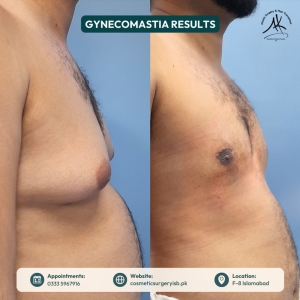




Gynecomastia is a condition in which males develop enlarged breast gland tissue. It can affect teenagers and adults and may cause physical discomfort, self-consciousness, or concerns about body appearance. Understanding the available treatment options can help individuals decide when to seek professional advice.
If you are searching for gynecomastia surgery near me, learning about the causes, surgical process, recovery, and potential risks is an important first step toward making an informed decision.
What Is Gynecomastia?
Gynecomastia refers to the enlargement of glandular breast tissue in males. It may affect one or both sides of the chest and can occur at different stages of life.
Hormonal changes are a common cause, particularly during puberty. Other possible contributing factors include certain medications, some health conditions, and changes associated with aging.
Gynecomastia is different from chest enlargement caused mainly by excess body fat. A medical professional can help determine whether the enlargement involves glandular tissue, fat, or a combination of both.
When Is Gynecomastia Surgery Considered?
Surgery may be considered when enlarged breast tissue persists, causes discomfort, or affects a person's confidence and quality of life. The decision depends on the underlying cause, symptoms, age, general health, and personal goals.
Before recommending surgery, a doctor may review your medical history, medications, and symptoms. Additional examination or testing may be appropriate, especially when breast enlargement is new, unusual, or accompanied by other symptoms.
Surgery is not always the first treatment. If a medication or underlying medical condition is contributing to the problem, addressing that cause may be recommended first.
How to Find a Qualified Gynecomastia Surgeon Near You
When researching gynecomastia surgery near me, focus on the surgeon's qualifications, relevant experience, and commitment to patient safety rather than choosing a provider based on advertising alone.
Consider the following factors:
-
Professional qualifications: Verify that the surgeon has recognized qualifications and appropriate training in plastic surgery.
-
Relevant experience: Ask about their experience treating gynecomastia and managing possible complications.
-
Surgical facility: Confirm that the procedure will take place in an appropriately equipped medical facility.
-
Consultation process: The surgeon should assess your condition and explain suitable treatment options.
-
Aftercare: Ask about follow-up appointments, recovery instructions, and how complications are handled.
A good consultation should give you time to ask questions and understand the benefits, limitations, and risks of treatment.
What Happens During Gynecomastia Surgery?
Gynecomastia surgery aims to reduce enlarged breast tissue and create a more balanced chest contour. The exact technique depends on the amount of glandular tissue, excess fat, skin elasticity, and individual anatomy.
Liposuction
Liposuction may be used when excess fat contributes significantly to chest enlargement. A surgeon inserts a thin tube through small incisions to remove targeted fat deposits.
Glandular Tissue Removal
When enlarged glandular tissue is present, the surgeon may remove it through an incision, often placed near the edge of the areola to help reduce visible scarring.
Combined Techniques
Some patients may benefit from a combination of liposuction and glandular tissue removal. If significant excess skin is present, additional skin removal may sometimes be considered.
The procedure is usually performed with anesthesia, and the appropriate approach should be discussed during a personal surgical consultation.
Who Is a Suitable Candidate?
Potential candidates are generally individuals whose breast enlargement has been properly evaluated and whose condition is unlikely to resolve through treatment of an underlying cause alone.
A surgeon may consider:
-
Whether breast enlargement is caused by glandular tissue, fat, or both.
-
Whether the condition has remained stable.
-
The patient's general health and medical history.
-
Smoking habits and medications that may affect healing.
-
Expectations regarding chest appearance and possible scars.
Teenagers may need to wait until breast development has stabilized, depending on their circumstances. A qualified medical professional can provide individualized guidance.
Recovery After Gynecomastia Surgery
Recovery varies according to the surgical technique and the individual's healing process. Temporary swelling, bruising, soreness, and changes in sensation can occur.
Patients may be advised to wear a compression garment to support the chest during healing. Your surgeon will explain how to care for incisions, manage discomfort, and gradually return to everyday activities.
Strenuous exercise and heavy lifting should be avoided until your surgeon confirms that it is safe. Final chest contours may take several weeks or months to become clearer as swelling decreases.
Contact your medical team if you experience increasing pain, spreading redness, fever, unusual drainage, or symptoms that concern you. Chest pain or difficulty breathing requires urgent medical attention.
Risks and Possible Complications
Like other surgical procedures, gynecomastia surgery carries risks. These may include bleeding, infection, fluid collection, scarring, uneven chest contours, changes in nipple sensation, and differences between the two sides of the chest.
Changes in appearance may not match every patient's expectations, and further treatment is sometimes needed. A thorough consultation helps you understand the risks relevant to your individual circumstances.
What Affects the Cost of Gynecomastia Surgery?
The cost depends on factors such as the complexity of the case, the surgical technique, the surgeon's fees, anesthesia, facility charges, and follow-up care.
When comparing options for gynecomastia surgery near me, request a clear estimate that explains what is included. Ask whether consultations, medical tests, compression garments, medications, and follow-up visits are charged separately.
Avoid choosing a surgeon based on price alone. Qualifications, appropriate facilities, and reliable aftercare are important parts of a safe treatment plan.
Conclusion
Gynecomastia surgery may help selected patients reduce enlarged breast tissue and improve chest contours. However, the right treatment depends on the cause of the enlargement, personal health, and individual goals.
If you are considering gynecomastia surgery near me, arrange an assessment with a qualified surgeon, discuss your expectations, and make sure you understand the recovery process, possible complications, and total cost before making a decision.