


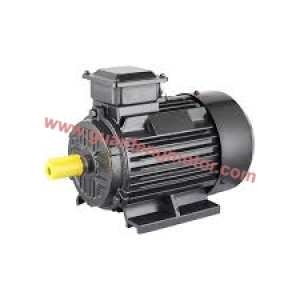
What Factors Affect the Starting Torque of an IE2 Three-Phase Asynchronous Electric Motor?
Starting torque is an important consideration when selecting an electric motor for industrial equipment, especially in systems that must begin moving under load. An IE2 Three-Phase Asynchronous Electric Motor converts electrical energy into mechanical rotation, but its ability to start smoothly depends on several connected factors, including supply voltage, rotor characteristics, driven equipment, and the selected starting method. For buyers researching industrial motors through guanfengmotor, understanding these factors can help them evaluate motor specifications and choose a model that suits the demands of their application. What should engineers and purchasing teams examine before making a selection?
Understanding Starting Torque
Starting torque refers to the turning force produced by a motor when it begins rotating from a stationary position. It must be sufficient to overcome the resistance of the connected machine and accelerate the load toward its operating speed. If the available torque is insufficient, the motor may start slowly, remain stalled, or draw a high current for an extended period. These conditions can place additional thermal and mechanical stress on the motor and connected equipment.
The torque required at startup varies according to the application. A centrifugal pump may require a different starting profile from a loaded conveyor, compressor, mixer, or grinding machine. Some systems begin with little mechanical resistance, while others must overcome friction, material weight, fluid pressure, or the inertia of rotating components. Engineers should therefore assess the actual starting conditions rather than relying on rated output power alone.
Supply Voltage and Electrical Conditions
Supply voltage has a direct influence on the starting behavior of an induction motor. When the voltage falls below the specified operating level, the motor may produce insufficient torque to accelerate the connected load as intended. In a conventional induction motor operating under comparable conditions, starting torque is approximately proportional to the square of the applied voltage. Consequently, even a moderate voltage drop can cause a noticeable reduction in starting capability.
The condition of the electrical supply also matters. Undersized cables, long cable runs, loose terminals, unsuitable contactors, and overloaded circuits can contribute to voltage drops during startup. An imbalance between the three phases may cause uneven current distribution and additional heating, potentially affecting the motor's operation. Before installation, technicians should check the rated voltage, frequency, wiring connections, and supply capacity against the manufacturer's instructions.
Rotor Design and Motor Characteristics
Rotor construction influences how an induction motor develops torque during startup and acceleration. Electrical resistance, rotor geometry, magnetic characteristics, and the relationship between rotor and stator fields all contribute to the motor's torque behavior. These design elements are considered during engineering so the motor can operate within its intended performance range.
The motor's technical data should therefore be reviewed before purchase. Starting torque, rated torque, starting current, rated speed, and efficiency describe different aspects of operation, and none should be assessed in isolation. A model with an appropriate rated output may still be unsuitable if its starting characteristics do not match the driven machine. Buyers should compare the published specifications with the equipment manufacturer's requirements and confirm any application-specific conditions with the supplier.
Load Conditions and Starting Methods
The mechanical load is another central factor. A conveyor carrying material, for example, may require substantial torque before the belt begins moving. A pump can have different startup requirements depending on its system arrangement, while a compressor may need to overcome pressure or mechanical resistance. Friction, misalignment, worn bearings, and excessive material accumulation can also increase the torque required at startup.
The starting method affects how voltage and current are applied to the motor. Direct-on-line starting connects the motor directly to the supply and can provide a straightforward arrangement, but it may produce a high inrush current. Star-delta starting and soft starters can reduce startup current under suitable conditions, although the resulting torque may also be reduced. A variable frequency drive can regulate frequency and voltage to support controlled acceleration when the motor and drive are correctly selected and configured.
No starting method is suitable for every installation. The decision should account for the load's torque requirement, the permitted starting current, the supply network, the number of starts per hour, and the control requirements of the equipment. Proper coordination between the motor, protection devices, and starting equipment helps prevent unnecessary trips and supports consistent operation.
Installation, Maintenance, and Operating Environment
Correct installation helps preserve the motor's intended starting performance. The mounting base should be secure, shaft alignment should follow the equipment requirements, and the driven machine should rotate freely without abnormal resistance. Technicians should also verify the wiring arrangement and ensure that protective devices are correctly rated and configured.
Maintenance is equally important throughout the motor's service life. Bearing wear, contamination, inadequate lubrication, blocked ventilation passages, and damaged connections can contribute to operating problems. If a motor that previously started normally begins to struggle, the cause may involve a change in load or supply conditions rather than a defect in the motor itself. Checking current, voltage, temperature, vibration, and mechanical resistance can help identify the source of the problem before further damage occurs.
The surrounding environment should also be considered. Ambient temperature, ventilation, dust, moisture, and duty cycle can affect operating conditions and heat dissipation. Selecting a motor with suitable protection and insulation characteristics, then following the prescribed maintenance schedule, supports dependable use in the intended industrial setting.
Choosing a Suitable Motor for Your Application
Motor selection should begin with the driven equipment and its real operating requirements. Purchasing teams should identify the required output power, starting torque, rated speed, voltage, frequency, mounting arrangement, and environmental conditions. Where the load starts under demanding conditions, it is particularly important to review the torque-speed characteristics and starting-current data instead of choosing a model solely by its power rating.
Wenling Guanfeng Electromechanical Co., Ltd. offers electric motor solutions for industrial applications involving pumps, ventilation systems, manufacturing equipment, and material handling. When evaluating an IE2 Three-Phase Asynchronous Electric Motor, buyers should consider starting torque, supply voltage, load requirements, and installation conditions to identify a suitable model. Visit https://www.guanfengmotor.com/ to explore Guanfeng's IE2 series product information and discuss motor specifications for your application.