
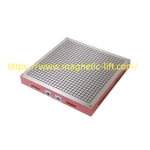


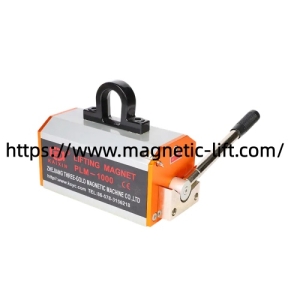
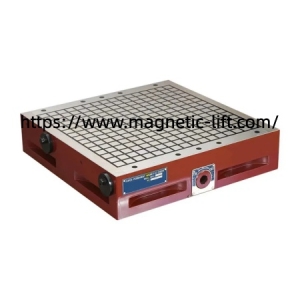
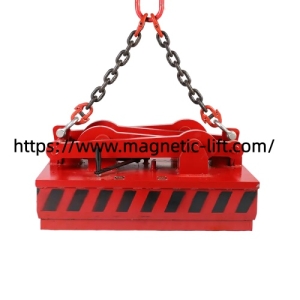
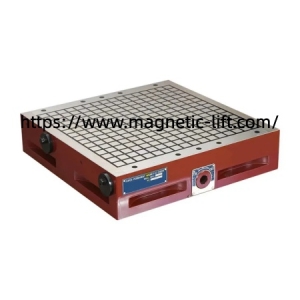
Permanent Magnetic Chuck selection plays an important role in metalworking operations where workpieces must remain stable during grinding, milling, or other machining processes. For purchasing managers and workshop owners, choosing suitable equipment involves more than checking dimensions or comparing quotations. Material properties, component geometry, machine compatibility, and production requirements all influence the final decision. A clear understanding of these factors helps businesses select workholding equipment that fits their daily operations and supports consistent machining procedures.
Imagine a workshop processing steel plates in several sizes. Some components require surface grinding, while others need milling or drilling. Traditional clamps may occupy valuable space around the workpiece and restrict tool access in certain setups. A suitable magnetic workholding system can hold compatible ferrous components from beneath, leaving more of the working surface accessible. This arrangement can simplify setup for appropriate applications, although the actual results depend on the machine, component design, and operating conditions.
Material compatibility should be the starting point for any purchasing decision. Carbon steel generally responds well to magnetic attraction, but different alloys can behave differently. Certain stainless steel grades, hardened components, and specialized materials may provide less effective holding performance. Buyers should identify the exact material grade and discuss any unusual properties with the manufacturer. If a production line handles several material types, checking compatibility for each application can help prevent unexpected problems during machining.
Workpiece dimensions deserve careful attention as well. Length, width, thickness, and overall shape affect how the component contacts the working surface. Small parts may need closely spaced poles, while thicker components can require a different pole arrangement. Curved parts, rings, and irregular shapes may call for specialized equipment rather than a standard rectangular design. Providing sample drawings or detailed measurements allows the supplier to evaluate the intended application more accurately.
The condition of the contact surfaces can also influence holding performance. Rust, chips, dirt, burrs, and uneven surfaces may prevent the workpiece from sitting flat. Buyers should therefore consider the surface finish of both the equipment and the components being processed. For precision work, the permitted flatness, surface preparation requirements, and maintenance procedures deserve particular attention. Regular cleaning and inspection can help maintain suitable contact conditions throughout routine production.
The machining process is another important consideration. Surface grinding, light milling, drilling, and heavier cutting operations place different demands on workholding equipment. Cutting forces, vibration, tool direction, and component geometry should all be evaluated before a model is selected. A configuration suitable for grinding may not automatically be appropriate for every milling operation. Buyers should confirm the manufacturer's recommended applications and follow the specified operating limits.
Machine compatibility can influence the purchasing process just as much as workpiece requirements. Check the available table dimensions, equipment height, mounting arrangement, and clearance around the spindle or cutting tool. The switching mechanism should be accessible to the operator, and the selected model should fit the intended production layout. If the equipment will be integrated into an automated line, buyers should also discuss control requirements and machine interfaces with the supplier before confirming the order.
For procurement teams, a useful way to compare quotations is to prepare one technical checklist for every supplier. Include the workpiece material, smallest and largest component dimensions, thickness range, machining method, expected production frequency, and machine model. Request relevant drawings, rated holding information, operating instructions, and maintenance guidance. These documents help purchasing staff compare equipment based on practical requirements instead of relying on price or general product descriptions alone.
Kaixin provides industrial workholding products for businesses involved in metal processing and manufacturing. When evaluating available models, buyers can compare construction, dimensions, pole arrangements, switching methods, and application requirements. Clear communication about the intended process helps the manufacturer identify the specifications that need further review. For customized projects, sharing technical drawings and sample component details can also support a more focused discussion before production arrangements are finalized.
Safe operation remains essential after installation. Operators should clean the working surface, inspect the equipment, confirm the correct switching position, and verify that the workpiece is properly supported before machining begins. They should follow the approved operating procedure and avoid exceeding the equipment limits. Training, routine maintenance, and prompt reporting of damage can help establish consistent practices across different shifts. Any unusual movement or suspected loss of holding force should be addressed before work continues.
Choosing suitable workholding equipment is ultimately about matching technical specifications with real production needs. By checking material compatibility, component geometry, machine dimensions, and operating requirements, businesses can make informed purchasing decisions. Buyers interested in Kaixin products can review the available range and product specifications at https://www.magnetic-lift.com/product/ to discuss suitable configurations, technical requirements, and potential applications with the manufacturer.