
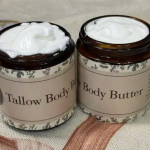






Sensitive skin presents daily challenges that conventional products often worsen rather than solve. Finding a moisturizer that hydrates without triggering reactions seems impossible for many people. Tallow-based moisturizers offer a solution that addresses sensitive skin's individual needs through biological compatibility and minimal ingredients.
Understand Sensitive Skin Mechanisms
Sensitive skin has a compromised barrier function that allows irritants to penetrate more easily. The weakened stratum corneum cannot protect underlying layers from environmental stressors, chemicals, or even ingredients in skincare products meant to help.
The inflammatory response in sensitive skin activates more readily than in normal skin. Minor triggers that others tolerate without issue can cause significant reactions. Redness, itching, burning, and swelling occur disproportionately to the stimulus.
Transepidermal water loss occurs at higher rates in sensitive skin. The damaged barrier cannot retain moisture effectively, leading to chronic dryness that further compromises barrier function. This cycle perpetuates sensitivity and creates ongoing discomfort.
The skin microbiome often shows imbalance in sensitive skin. Beneficial bacteria populations decrease while opportunistic organisms increase. This microbial disruption contributes to inflammation and reduces skin's ability to defend against harmful substances.
Why Conventional Moisturizers Fail Sensitive Skin
Most commercial moisturizers contain multiple irritants. Synthetic fragrances, preservatives, emulsifiers, and stabilizers all pose reaction risks. Even products labeled hypoallergenic often contain compounds that trigger sensitive skin.
Preservatives such as parabens and phenoxyethanol prevent bacterial growth in water-based products. However, these antimicrobial agents can irritate sensitive skin and disrupt the skin microbiome. The trade-off between product stability and skin tolerance often favors the former.
Emulsifiers that mix oil and water phases damage barrier lipids. Research shows that common emulsifying agents strip the stratum corneum of protective lipids, weakening an already compromised barrier. This damage occurs with every application of emulsified products.
Synthetic fragrances rank among the most common allergens in skincare. The complicated mixtures of chemicals used to create scents cause reactions in many people with sensitive skin. Even "unscented" products may contain masking fragrances that hide base odors.
Tallow's Advantages for Reactive Skin
Tallow moisturizers can contain as few as one ingredient. This simplicity dramatically reduces the risk of reactions. Fewer components mean fewer possible triggers for sensitive skin to encounter.
The biological compatibility between tallow and human sebum means skin recognizes it as safe. This molecular similarity prevents the immune responses that cause inflammatory reactions. Your skin accepts tallow as familiar rather than foreign.
No water content eliminates the need for preservatives and emulsifiers. These common irritants become unnecessary when formulating with pure tallow. The absence of these problematic ingredients makes tallow suitable for even highly reactive skin.
The anti-inflammatory compounds in grass-fed tallow actively calm sensitive skin. Conjugated linoleic acid and other naturally occurring substances reduce inflammation rather than triggering it. This soothing effect addresses one of sensitive skin's core problems.
Barrier Repair Functions
Tallow provides the exact lipids sensitive skin needs to rebuild its compromised barrier. The fatty acid profile matches human sebum, supplying palmitic acid, stearic acid, and oleic acid in optimal ratios. These building blocks integrate into existing barrier structures.
Barrier repair reduces sensitivity over time. As the stratum corneum strengthens, it protects deeper layers more effectively. Fewer irritants penetrate, triggering fewer reactions. This cumulative improvement changes chronically reactive skin into more resilient skin.
The occlusive properties prevent transepidermal water loss while allowing skin to breathe. Unlike petroleum-based occlusives that completely seal skin, tallow creates a semi-permeable barrier. This balance maintains moisture while permitting normal skin functions.
Improved barrier function increases skin's natural defense mechanisms. Better-protected skin resists bacterial invasion, tolerates environmental stressors, and maintains stable pH levels. These improvements reduce the frequency and severity of sensitive skin reactions.
Nutrient Support Without Irritation
Grass-fed tallow contains vitamins A, D, E, and K in natural forms. These nutrients support cellular processes without the irritation synthetic versions often cause. The fat-soluble vitamins absorb efficiently without requiring additional carriers that might irritate.
Vitamin A encourages cell turnover at a gentle pace. Unlike prescription retinoids that can severely irritate sensitive skin, the vitamin A in tallow works gradually. This measured approach produces benefits without triggering adverse reactions.
Vitamin E provides antioxidant protection that sensitive skin particularly needs. The compromised barrier allows more oxidative damage from environmental stressors. Vitamin E neutralizes free radicals before they can damage vulnerable skin cells.
The nutrient delivery occurs without synthetic penetration enhancers. Many conventional products use chemicals to drive ingredients deeper into skin. These enhancers often irritate sensitive skin. Tallow's natural compatibility achieves deep penetration without artificial assistance.
Transitioning to Tallow-Based Care
Expect a brief adjustment period when switching from synthetic products to tallow. Skin needs time to recalibrate its functions after dependency on synthetic ingredients. Temporary changes during this transition are normal and do not indicate problems.
Start with pure tallow formulations before trying products with added ingredients. This approach identifies true reactions to tallow versus reactions to additives. Most sensitive skin tolerates pure tallow well, establishing a safe baseline.
Patch test despite tallow's general safety. Individual sensitivities vary, and testing prevents widespread reactions. Apply a small amount to your inner arm and wait 48 hours before facial use.
Introduce gradually rather than replacing all products at once. This measured transition helps identify which changes produce which benefits. Success with initial tallow products encourages expanding use to other skincare areas.
Application Techniques for Sensitive Skin
Use minimal amounts initially. Sensitive skin can feel overwhelmed by new products even when non-irritating. Starting with small quantities allows your skin to adjust while minimizing any temporary discomfort.
Apply to slightly damp skin for easier spreading. The moisture helps distribute the product without excessive rubbing that can irritate. Gentle patting motions work better than rubbing for sensitive skin application.
Avoid application to actively inflamed areas. Allow acute reactions to calm before introducing new products. Once inflammation subsides, tallow can help prevent recurrence and support healing.
Temperature matters for sensitive skin. Products at room temperature feel more comfortable than very cold or warm ones. Remove tallow from the refrigerator 30 minutes before use if storing it there.
Comparing Results to Conventional Options
Users with sensitive skin report fewer reactions with tallow moisturizers. The absence of common irritants means daily care becomes possible without constant worry about triggering flare-ups. This reliability provides significant quality of life improvements.
The texture improvements occur without irritation. Sensitive skin often roughens from chronic inflammation and barrier damage. Tallow smooths this texture while calming the underlying inflammation, producing visible refinement without adverse effects.
Long-term users describe reduced overall sensitivity. Months of supporting barrier function with appropriate lipids decreases reactivity to previously troublesome triggers. Skin becomes more resilient and less defensive.
Brands focusing on sensitive skin formulations, such as Pure Tallow Naturals, prioritize simplicity and quality. Their straightforward approach to product creation results in moisturizers that sensitive skin tolerates well while providing effective hydration and barrier support.
Additional Ingredients That Complement Tallow
Honey adds antibacterial and humectant properties without irritation risk. Most sensitive skin tolerates raw honey well. The combination of tallow and honey addresses multiple concerns while maintaining safety.
Calendula oil soothes inflammation and supports healing. This gentle botanical extract pairs well with tallow for sensitive skin. The anti-inflammatory effects complement those already present in tallow.
Chamomile provides calming properties appreciated by reactive skin. German chamomile in particular offers anti-inflammatory benefits. Small amounts in tallow formulations increase the soothing effects.
Essential oils require caution despite being natural. Some sensitive skin tolerates mild oils like lavender, while others reacts to all essential oils. Start with unscented products and add fragrance only if desired and tolerated.
Managing Different Sensitivity Types
Contact dermatitis improves with simplified tallow-based routines. Removing the allergens present in conventional products eliminates trigger exposure. The barrier support helps prevent reactions to environmental allergens.
Rosacea benefits from tallow's anti-inflammatory properties. The gentle moisture without harsh ingredients suits rosacea-prone skin. Many sufferers report reduced flushing and inflammation with consistent use.
Eczema management improves with appropriate lipid support. Dermatologists increasingly recommend lipid-rich moisturizers for eczema. Tallow provides these therapeutic lipids in a form that eczema-prone skin accepts well.
Perioral dermatitis often resolves with product simplification. This condition typically worsens with conventional skincare products. Switching to pure tallow allows skin to heal without continued irritation.
Seasonal Considerations
Winter exacerbates sensitive skin through low humidity and cold temperatures. Increase tallow application frequency during these months. The increased barrier protection prevents weather-related flare-ups.
Summer humidity changes how sensitive skin behaves. Lighter application may suffice during warm months. Adjust based on your skin's signals rather than maintaining rigid routines year-round.
Spring allergies can trigger increased skin sensitivity. The anti-inflammatory properties in tallow help manage this seasonal reactivity. Consistent use throughout allergy season reduces skin involvement in systemic reactions.
Fall transitions require attention as conditions change rapidly. Having both lighter and richer tallow formulations available allows matching product to daily conditions. This flexibility prevents over- or under-moisturizing during variable weather.
The Role of Diet & Lifestyle
Internal health affects sensitive skin significantly. Anti-inflammatory diets reduce overall inflammatory burden, benefiting skin. Consider dietary changes alongside topical tallow use for great improvement.
Stress management helps control sensitive skin reactions. Stress hormones increase inflammation throughout the body, including skin. Meditation, exercise, and adequate sleep support the benefits of proper topical care.
Hydration from within supports topical moisturizing efforts. Drinking adequate water helps skin maintain its moisture balance. External and internal hydration work together for optimal results.
Identifying food sensitivities can reduce skin reactions. Some people find that eliminating certain foods decreases their skin's reactivity. This internal approach complements the external support from tallow moisturizers.
Medical Perspective on Lipid Therapy
Dermatologists increasingly recognize the importance of lipid replacement for sensitive skin. Medical literature supports using barrier-repair lipids that match skin's natural composition. Tallow fits this therapeutic model excellently.
Prescription barrier repair creams often contain synthetic ceramides and fatty acids. These expensive products attempt to replicate what tallow provides naturally. The natural version often works as well or better at lower cost.
The concept of therapeutic moisturizing differs from cosmetic moisturizing. Therapeutic approaches aim to restore function rather than just improve appearance. Tallow's barrier repair capabilities place it in the therapeutic category.
Research on atopic dermatitis emphasizes barrier repair as primary treatment. Supporting skin's protective function reduces inflammation and prevents flares. Tallow provides this therapeutic support through its lipid composition.
Long-Term Sensitive Skin Management
Consistent tallow use produces cumulative improvements in sensitive skin. The ongoing barrier support and anti-inflammatory effects build skin resilience over time. What begins as symptom management becomes genuine improvement in skin health.
Reduced product dependency creates freedom from constant vigilance. As skin strengthens, you may tolerate occasional exposure to previously problematic substances. This increased tolerance improves quality of life substantially.
Prevention of new sensitivities becomes possible with strong barrier function. Healthy barriers protect against sensitization to new allergens. Maintaining good barrier health through tallow use provides this protective benefit.
The simplicity of tallow-based care reduces stress around skincare. Knowing you have a reliable, safe moisturizer eliminates anxiety about reactions. This psychological benefit complements the physical improvements in skin condition.
Best moisturizer for sensitive skin using tallow offer sensitive skin what it needs most: gentle, effective care that supports natural function rather than disrupting it. The combination of biological compatibility, minimal ingredients, and therapeutic lipids makes tallow the logical choice for managing sensitive skin successfully.