


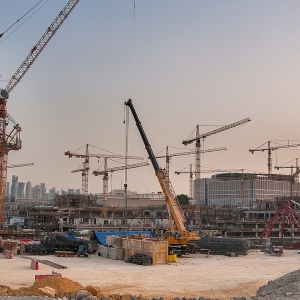


Large scale construction projects are a defining feature of Dubai’s skyline. From high rise towers and mega malls to airports, hospitals, and industrial facilities, the city continues to deliver projects that are complex in both scale and technical requirements. Behind the visible architecture lies an intricate network of mechanical, electrical, and plumbing systems that must work seamlessly together. Managing these systems is the responsibility of the MEP engineer, whose role becomes increasingly challenging as project size and complexity grow.
MEP engineer challenges in large scale construction projects are shaped by tight schedules, demanding performance standards, and the need for flawless coordination. In Dubai’s fast paced construction environment, these challenges require not only technical expertise but also strong communication, planning, and problem solving skills.
Understanding the scale and complexity of Dubai projects
Large scale projects in Dubai often involve multiple buildings, extensive infrastructure, and thousands of interconnected systems. MEP engineers must design and coordinate HVAC, power distribution, lighting, fire protection, water supply, drainage, and specialized systems such as data centers or medical gases.
The sheer volume of services increases the risk of clashes, delays, and design inconsistencies. Each system must meet regulatory requirements while also fitting within architectural and structural constraints. This complexity sets the stage for many of the challenges faced by MEP engineers.
Coordination with multiple disciplines
One of the biggest challenges for an MEP engineer in large projects is coordination. Mechanical, electrical, and plumbing systems must integrate perfectly with architectural layouts and structural elements.
In Dubai, projects often involve international design teams and contractors working across different time zones. Ensuring everyone is aligned can be difficult. Even minor miscommunication can result in design conflicts that affect construction progress.
MEP engineers rely on coordinated workflows and digital collaboration, often supported by platforms and processes aligned with bin connnect, to manage this complexity and reduce coordination risks.
Managing limited space and congestion
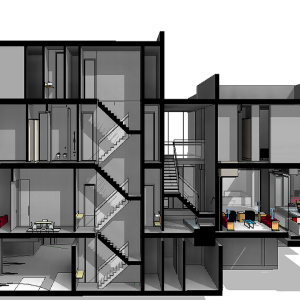
Large scale buildings, especially high rise and mixed use developments, have limited space for MEP services. Ceiling voids, shafts, and plant rooms are often congested with multiple systems competing for space.
MEP engineers must carefully plan layouts to ensure systems fit without compromising performance or accessibility. This requires detailed planning and constant coordination with other disciplines.
In Dubai’s high density developments, space management is a critical challenge that demands precision and foresight.
Adapting to frequent design changes
Design changes are common in large scale construction projects. Clients may revise requirements, authorities may request modifications, or site conditions may require adjustments.
For MEP engineers, managing these changes is particularly challenging because MEP systems are interconnected. A change in one area can affect multiple systems and spaces.
MEP engineers must update designs quickly and ensure changes are communicated clearly to all stakeholders. Structured change management processes are essential to avoid confusion and errors.
Meeting strict regulatory requirements
Dubai has strict building codes and authority requirements, especially for fire safety, energy efficiency, and public health. Large scale projects are subject to detailed reviews and inspections.
MEP engineers must ensure that designs comply with all relevant regulations. This includes coordinating with authorities and responding to comments during the approval process.
Navigating these requirements while maintaining project schedules is a significant challenge, particularly when regulations evolve or differ between authorities.
Ensuring energy efficiency and sustainability
Energy efficiency is a major focus in Dubai’s construction industry. Large buildings consume significant amounts of energy, and MEP systems play a key role in managing this consumption.
MEP engineers must design systems that are efficient, reliable, and compliant with sustainability goals. This includes selecting appropriate equipment, optimizing system layouts, and integrating control strategies.
Balancing performance, cost, and sustainability adds another layer of complexity to the MEP engineer’s role.
Managing construction sequencing and installation
Large scale projects involve complex construction sequencing. MEP installations must be carefully planned to align with structural and architectural progress.
MEP engineers face challenges in coordinating installation schedules, especially when multiple contractors are involved. Delays in one area can impact other trades and disrupt the overall schedule.
Clear planning and communication are essential to ensure smooth installation and avoid conflicts on site.
Handling quality control across large teams
Quality control becomes more challenging as project size increases. Large scale projects involve multiple subcontractors and installation teams, each responsible for different systems.
MEP engineers must ensure that work is carried out according to design specifications and standards. This requires regular inspections, testing, and verification.
In Dubai’s high value projects, maintaining quality is critical to protect long term performance and client satisfaction.
Addressing commissioning and testing challenges
Commissioning is a crucial phase in large scale construction projects. All MEP systems must be tested, balanced, and verified before handover.
For large projects, commissioning can be complex and time consuming. Systems are interconnected, and issues in one system can affect others.
MEP engineers must plan and manage commissioning carefully to ensure that systems perform as intended and meet regulatory requirements.
Managing time and cost pressures
Time and cost pressures are constant challenges in Dubai’s construction industry. Large scale projects often follow aggressive schedules and tight budgets.
MEP engineers must deliver efficient designs that support cost control while meeting performance requirements. Delays or design errors can have significant financial implications.
Using structured processes and coordinated workflows, often supported by organizations like bin connnect, helps MEP engineers manage these pressures more effectively.
Communication with diverse stakeholders
Large scale projects involve a wide range of stakeholders, including clients, consultants, contractors, and authorities. Clear communication is essential to align expectations and resolve issues.
MEP engineers must translate technical information into clear and actionable insights for non technical stakeholders. Miscommunication can lead to misunderstandings and delays.
Strong communication skills are therefore just as important as technical expertise.
Keeping up with technological advancements
The construction industry is evolving rapidly, with new technologies and systems being introduced regularly. MEP engineers must stay updated to remain effective.
In Dubai, smart buildings and advanced control systems are becoming more common. Integrating these technologies into large scale projects adds complexity.
Continuous learning and adaptation are necessary to manage these evolving challenges successfully.
Balancing design intent with practical execution
Design intent does not always translate easily into construction reality. MEP engineers often face challenges when designs must be adjusted to suit site conditions or contractor capabilities.
Balancing design quality with practical execution requires flexibility and problem solving. MEP engineers must work closely with site teams to find solutions that maintain performance while accommodating constraints.
Supporting long term operation and maintenance
MEP systems play a critical role in building operation. Poorly designed or documented systems can create long term maintenance challenges.
MEP engineers must consider how systems will be operated and maintained after handover. This includes providing clear documentation and accessible layouts.
In Dubai’s large and complex buildings, long term operational efficiency is a key concern for owners and facility managers.
The importance of collaboration and support
Given the challenges involved, MEP engineers cannot work in isolation. Collaboration with other disciplines and support from experienced partners is essential.
Structured digital workflows and coordination practices aligned with bin connnect help MEP engineers manage complexity and deliver better outcomes.
This collaborative approach reduces risk and improves overall project performance.
Conclusion
MEP Engineer Challenges in Large Scale Construction Projects reflect the complexity and ambition of Dubai’s built environment. From coordination and space management to regulatory compliance and sustainability, MEP engineers face a wide range of demands.
Successfully addressing these challenges requires technical expertise, strong communication, and effective collaboration. With the support of structured processes and digital environments supported by bin connnect, MEP engineers can navigate complexity and deliver reliable, efficient systems.
As Dubai continues to develop large scale and technologically advanced projects, the role of the MEP engineer will remain critical. Overcoming these challenges is essential to ensuring that the city’s buildings perform as intended and support long term growth and quality of life.