
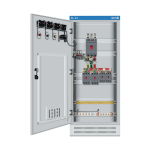


Electrical infrastructure plays a central role in modern fluid management systems. In many installations, a Distribution Box Set is used together with a Water Pump Control Panel to manage power distribution, protection, and operational coordination. This combination is not accidental but reflects practical requirements found in water supply, irrigation, drainage, and industrial pumping environments.
A distribution box set functions as a structured point where incoming electrical power is divided into multiple protected circuits. These circuits supply power to control panels, motors, sensors, and auxiliary devices. Within a pumping system, this arrangement helps maintain orderly wiring, clear circuit separation, and predictable electrical behavior. Rather than routing all components directly from a main supply, the distribution box provides an intermediate layer of control and safety.
The water pump control panel focuses on managing pump operation. It typically integrates switching devices, overload protection, and monitoring components. Through these elements, the panel regulates motor start and stop sequences, responds to fault conditions, and supports stable pump performance. While the distribution box handles power allocation, the control panel interprets operational logic.
Coordination between these two components supports system reliability. Power delivered through the distribution box reaches the control panel under defined conditions, allowing protective devices to isolate faults without affecting unrelated circuits. This layered structure reduces the likelihood that a single electrical issue will disrupt the entire pumping installation.
Environmental factors strongly influence enclosure design. Distribution box sets are often installed in locations exposed to dust, humidity, or temperature fluctuations. Their enclosures are selected to protect internal components while allowing adequate ventilation or sealing based on site conditions. Similarly, water pump control panels are designed to operate in mechanical rooms, pump stations, or outdoor cabinets, where moisture resistance and thermal stability are important.
Internal layout matters as much as enclosure quality. Within a distribution box, circuit breakers, terminals, and grounding bars are arranged to maintain safe spacing and clear identification. This organization simplifies maintenance and reduces wiring errors. Control panels follow similar principles, grouping control circuits separately from power circuits to reduce interference and improve troubleshooting efficiency.
Load characteristics of pumps influence electrical configuration. Pumps may draw high current during startup and settle into stable operating levels during normal operation. Control panels account for these patterns through contactors, thermal protection, and time-delay elements. Distribution boxes upstream must accommodate these loads without excessive voltage drop or overheating.
Flexibility is another practical concern. Many pumping systems are expanded over time, adding additional pumps, sensors, or control functions. A properly sized distribution box set allows for future circuit additions without extensive rewiring. Control panels may also be designed with spare terminals or modular components to support gradual system upgrades.
Safety considerations extend beyond component protection. Clear labeling within distribution boxes and control panels helps operators identify circuits quickly. Lockable enclosures restrict unauthorized access, reducing accidental interference. These features contribute to safer working conditions during inspection and maintenance.
Operational stability depends on consistent electrical behavior. Loose connections, unbalanced loads, or inadequate grounding can affect pump performance. The structured relationship between a distribution box set and a water pump control panel supports stable electrical pathways, reducing unexpected interruptions.