


When developing modern garments, Waistband Elastic and Jacquard Elastic Band are often evaluated together because both contribute directly to fit control, comfort, and visual consistency. Rather than acting as simple accessories, elastic components influence how a garment performs during movement, wear, and repeated washing. Their structure and material behavior shape user experience in ways that extend beyond appearance.
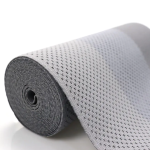
Waistband elastic plays a central role in maintaining garment position without restricting motion. It must provide sufficient recovery to return to its original shape after stretching, while distributing pressure evenly around the waist. This balance helps garments remain secure during daily activities without creating discomfort. Elastic designed for waistbands is engineered to respond smoothly to body movement, adapting to posture changes throughout the day.
Jacquard Elastic Band introduces an additional layer of functionality through its woven structure. Unlike plain elastic, jacquard weaving allows patterns, logos, or text to be integrated directly into the band. This structural integration ensures that decorative elements remain clear and stable even when the elastic stretches. As a result, the band serves both functional and branding purposes.
Material composition influences how both elastic types behave under stress. Blends of polyester, nylon, and spandex are commonly used to achieve controlled stretch and durability. Waistband elastic typically emphasizes consistent tension, while jacquard elastic balances elasticity with pattern definition. Selecting appropriate yarn combinations supports long-term performance without compromising comfort.
Construction methods also affect durability. Elastic bands are produced with controlled tension during weaving to ensure even stretch across the width. Jacquard elastic requires precise loom settings to maintain pattern alignment. This precision supports uniform appearance across production batches and helps garments maintain a cohesive look.
Garment categories influence elastic requirements. Activewear prioritizes flexibility and moisture resistance, while underwear and loungewear focus on softness and skin contact. Waistband elastic adapts to these needs through variations in width, thickness, and stretch ratio. Jacquard elastic bands allow designers to align functional requirements with aesthetic goals, especially for visible waistbands.
Wash resistance remains an important consideration. Elastic components undergo repeated laundering, which can affect recovery and surface texture. Properly engineered waistband elastic retains elasticity over time, while jacquard elastic maintains pattern clarity through stable yarn interlacing. These characteristics support garment longevity and customer satisfaction.