
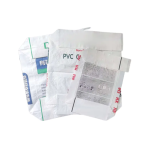
Printed woven bags are widely used in industrial and commercial packaging, especially when combined with valve bag structures for controlled filling. In many material handling scenarios, Printed Woven Bags and Valve Bag solutions work together to support efficient packing of powders, granules, and bulk materials while maintaining stability during transport and storage. Their popularity is closely linked to their adaptable structure, consistent performance, and compatibility with automated filling systems used across multiple industries.
Printed woven bags are produced from woven polypropylene fabric, which provides a balanced combination of strength and flexibility. The woven structure allows the bag to maintain its shape under load while still being lightweight. When printing is added during production, these bags become effective carriers of product information, handling instructions, and brand identification without affecting their functional integrity. This combination is especially useful in environments where traceability and product differentiation are required.
Valve bag construction plays a key role in improving filling efficiency. A valve opening is integrated into the bag, allowing materials to be filled quickly through specialized equipment. Once filled, internal pressure causes the valve to close naturally, reducing the need for additional sealing processes. This design supports clean filling operations and helps limit material loss, which is an important consideration in facilities handling fine powders such as cement, chemicals, or food ingredients.
From a functional perspective, printed woven bags offer reliable load-bearing capacity. The woven fabric distributes weight evenly, reducing localized stress that could cause tearing. This is particularly important during stacking and palletizing, where bags may be subjected to prolonged pressure. The structure also allows for air permeability if required, which can be adjusted during production to suit different materials.
Valve bag systems are often selected for high-speed packaging lines. Their compatibility with automated filling machines helps manufacturers maintain consistent output while reducing manual handling. The valve opening can be positioned and sized according to filling requirements, ensuring stable material flow. This adaptability makes valve bags suitable for a wide range of bulk products, from construction materials to agricultural supplies.
Printed woven bags also support clear communication throughout the supply chain. Printing options allow for product names, specifications, safety symbols, and regulatory information to be displayed directly on the bag surface. Compared to adhesive labels, printed information remains legible even under rough handling or exposure to varying environmental conditions. This helps reduce confusion during warehousing and distribution.
Another practical advantage lies in customization. Printed woven bags can be produced in different sizes, fabric densities, and coating options. Laminated or coated surfaces may be used when moisture resistance is required, while uncoated bags can be chosen for products that benefit from breathability. Valve bag designs can also be adjusted to meet filling speed or closure preferences.
Durability during transportation is another key factor. Bulk packaging often involves long-distance shipping, multiple handling stages, and stacking in confined spaces. The woven structure resists abrasion, while reinforced seams improve overall stability. When properly specified, printed woven valve bags can withstand repeated handling without compromising their shape or print quality.
From an operational standpoint, valve bags contribute to cleaner working environments. Since the valve closes automatically after filling, dust generation is reduced compared to open-mouth bags. This supports workplace cleanliness and may help facilities meet internal handling standards. Reduced dust also helps protect machinery and maintain consistent production conditions.
Printed woven bags are also compatible with different closure methods if additional security is required. While valve closure often relies on internal pressure, options such as ultrasonic sealing or tuck-in valves can be applied. These methods provide flexibility for manufacturers who ship products under varying conditions.
Sustainability considerations are increasingly influencing packaging decisions. Woven polypropylene bags are lightweight and require less material compared to rigid containers. Their efficient stacking and storage reduce transportation space requirements. In addition, many printed woven bags can be reused or recycled depending on local systems, contributing to more responsible material management.