
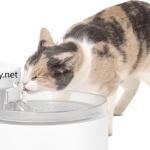

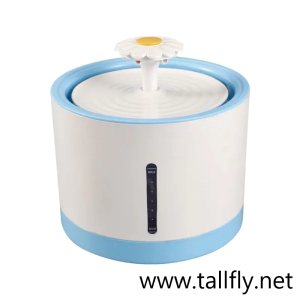



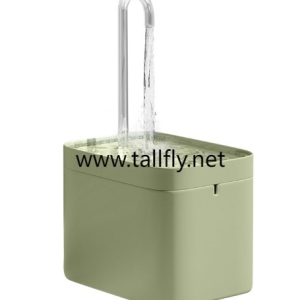
Bringing home new hydration equipment often triggers unexpected resistance from companions who view changes to their routines with suspicion. Many animals demonstrate wariness toward unfamiliar objects, sounds, or experiences in their environment, making the transition to fountain drinking a gradual process rather than an instant switch. Understanding these hesitations helps owners work with insights from an experienced Opey Pet Water Fountain Factory to create successful introductions that respect animal comfort levels while encouraging healthy hydration habits.
Placement strategy significantly influences initial acceptance. Positioning the new fountain directly where the old water bowl sat capitalizes on established location familiarity, reducing one variable in an already changed situation. Alternatively, placing it near feeding areas leverages positive associations with spaces your companion already visits regularly. Avoid high traffic zones initially, as nervous animals may find the combination of novelty and constant activity overwhelming during their adjustment period.
Running the fountain without pressuring your companion to drink immediately allows natural curiosity to develop. Simply having the device present and operating gives skeptical animals time to observe from safe distances, gradually acclimating to the sight and sound without feeling forced into interaction. Some companions need days or even weeks of passive exposure before feeling comfortable enough to investigate closely. Patience during this observation phase prevents negative associations that rushed introductions might create.
Maintaining familiar water sources alongside the new fountain provides security during the transition. Removing all alternative drinking options immediately can cause stress and potential dehydration in particularly resistant animals. Keeping their traditional bowl available eliminates pressure, allowing them to approach the fountain voluntarily when ready. Gradually reducing water levels in the old bowl over time gently encourages fountain use without creating anxiety about losing access to hydration entirely.
Scent familiarity helps skeptical companions feel more comfortable approaching new objects. Rubbing a cloth on your companion and then wiping it on the fountain transfers familiar scent markers that make the device feel less foreign. Some animals respond well when you place a few treats near the fountain, creating positive associations with proximity. Avoid forcing direct contact, instead letting them investigate on their own timeline as comfort develops.
Sound sensitivity affects many animals who find the motor or water flow initially alarming. Starting with lower flow settings minimizes noise during the introduction period, preventing auditory overwhelm that might create lasting negative impressions. As your companion grows accustomed to the presence and quieter operation, gradually increasing flow settings becomes more acceptable. Some particularly sound sensitive animals benefit from fountains placed on soft mats that absorb vibration and reduce operational noise.
Demonstration through example works surprisingly well with social animals who model behavior after trusted companions. If you have multiple pets, a confident drinker using the fountain first often encourages skeptical housemates through observation and social learning. Even without other animals, some companions respond when they see trusted humans interacting positively with the fountain, touching it, or showing interest without fear.
Timing introductions thoughtfully increases success likelihood. Avoid presenting new fountains during already stressful periods like moving homes, introducing new family members, or recovering from medical procedures. Choose calm periods when your companion feels secure and settled in their environment. Post exercise or play sessions, when animals naturally seek hydration, create opportune moments for voluntary fountain investigation.
Temperature preferences sometimes influence acceptance. Some animals prefer cooler water that circulating fountains naturally provide, while others initially find the temperature change off putting compared to room temperature bowl water. Observing drinking patterns helps identify whether temperature plays a role in hesitation.
Physical accessibility matters for animals with mobility concerns or those unaccustomed to elevated drinking positions. Ensuring comfortable approach angles and appropriate height reduces physical barriers that might discourage tentative users still evaluating whether this new option suits their needs.
Supporting companions through transitions with patience and understanding creates positive fountain experiences. Visit https://www.tallfly.net/product/ to review fountain options designed with thoughtful features that ease introduction processes for even skeptical drinkers.