



Circulating water systems for companion animals occasionally develop issues that affect their performance and your satisfaction. Understanding how to address common concerns helps maintain reliable hydration equipment without unnecessary replacement costs or professional assistance. Working with quality products from an established Opey Pet Water Fountain Manufacturer provides a foundation for easier troubleshooting when minor problems arise during regular use.
Low flow represents one of the most frequent complaints owners encounter. This issue typically stems from pump blockage caused by accumulated debris, hair, or mineral deposits. Disassembling the pump according to instructions reveals the impeller area where obstructions commonly lodge. Rinsing components under running water removes loose material, while soaking stubborn buildup in a vinegar solution helps dissolve mineral deposits without damaging plastic or metal parts. Reassembling everything carefully after thorough cleaning usually restores normal flow rates immediately.
Filter saturation contributes significantly to reduced water movement through the system. Filters designed to capture impurities eventually become clogged with the very contaminants they remove from drinking water. Checking filter condition during routine maintenance prevents gradual flow reduction from becoming severe enough to notice. Replacing filters according to recommended schedules rather than waiting for obvious problems maintains consistent performance. Some households with multiple drinkers or particularly furry companions may need more frequent filter changes than suggested guidelines indicate.
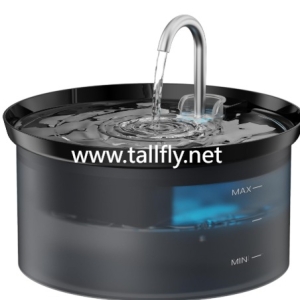
Unusual noise during operation often signals air in the pump system or insufficient water levels. Pumps designed for submersion struggle when water drops below minimum operating levels, drawing air that creates gurgling or grinding sounds. Topping off the reservoir typically silences these noises immediately. Persistent sound issues after ensuring adequate water levels suggest the pump may need cleaning, as debris can cause vibrations or irregular operation that manifests as audible disturbance.
Electrical connections deserve attention when fountains fail to operate entirely. Checking that plugs remain fully inserted into outlets seems obvious but resolves many apparent failures. Outlets themselves occasionally lose power due to tripped breakers or faulty wiring, so testing with another device confirms the power source functions properly. Examining cords for damage from chewing or wear helps identify problems before they become safety hazards.
Water temperature affects both pump efficiency and fountain appeal. Extremely cold water increases viscosity slightly, potentially reducing flow rates in sensitive pumps. Allowing water to reach room temperature before adding it to reservoirs prevents this minor issue. Conversely, placement near heat sources can accelerate algae growth and mineral accumulation, indirectly causing flow problems through increased contamination.
Placement on uneven surfaces creates mechanical stress that manifests as vibration noise. Ensuring fountains sit level on stable surfaces eliminates rattling from wobbling bases. Rubber mats placed underneath absorb remaining vibrations, particularly helpful on hard floors that amplify operational sounds. This simple adjustment often transforms annoyingly loud equipment into acceptably quiet operation.
Pump age and wear eventually lead to declining performance that cleaning cannot remedy. Motors lose power gradually, and internal components develop wear that reduces efficiency. Recognizing when cleaning no longer restores function helps distinguish maintenance issues from genuine equipment failure requiring replacement. Many fountains feature replaceable pumps, allowing component updates without discarding entire units.
Prevention proves easier than cure for many fountain problems. Regular cleaning schedules prevent debris accumulation before it affects performance. Using filtered or distilled water in areas with hard water reduces mineral buildup that damages pumps and clogs passages. Monitoring water levels daily prevents pumps from running dry, extending their operational lifespan significantly.
Documentation that accompanies quality equipment provides model specific troubleshooting guidance addressing unique design features. Consulting these resources before attempting repairs prevents accidental damage from improper disassembly or cleaning methods unsuitable for particular materials.
Maintaining reliable hydration equipment ensures companions always have access to fresh circulating water they prefer. Visit https://www.tallfly.net/product/ to explore fountain options engineered for straightforward maintenance and reliable long term performance.