


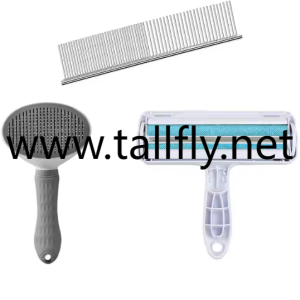
Shedding season transforms double coated breeds into fur producing machines that seem to release endless quantities of undercoat throughout your home. Strategic grooming during these intense periods requires knowing which body areas shed most heavily and deserve concentrated attention. Working with a knowledgeable Pet Brush Supplier provides access to appropriate tools, but understanding where to focus your efforts maximizes efficiency and reduces the time spent managing seasonal coat changes while keeping your dog comfortable.
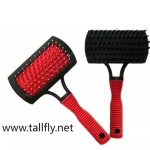
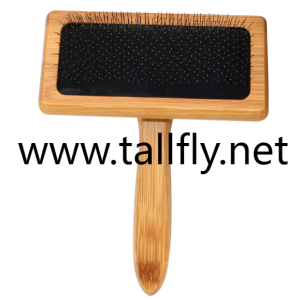
The hindquarters and rear legs release disproportionate amounts of undercoat during shedding transitions. These areas carry substantial insulating fur that protects against cold surfaces when dogs sit or lie down. As temperatures warm, this dense undercoat becomes unnecessary and releases readily when groomed properly. Begin each session by thoroughly working these zones, using a Pet Brush designed for undercoat removal to extract the loose, fluffy fur before it migrates throughout your home.
The ruff area around the neck and shoulders holds impressive undercoat density that sheds heavily during seasonal changes. This region serves critical insulation functions during cold weather, creating the characteristic thick mane appearance many double coated breeds display. Pay careful attention to the area behind the ears where undercoat often mats if not removed promptly during shedding periods. Work systematically around the entire neck circumference, lifting outer guard hairs to access the undercoat beneath.
The chest and belly regions shed substantial quantities despite being less visible than back and side areas. Many owners neglect these zones because they require positioning dogs on their sides or backs for access. However, skipping these areas leaves significant loose undercoat that will eventually shed naturally onto your furniture and floors. Take time to gently brush the entire ventral surface, being particularly thorough where the front legs meet the chest.
The area along the spine and across the back sheds moderately during seasonal transitions but still deserves attention. While not releasing as dramatically as hindquarters or ruff areas, the back carries enough undercoat to contribute noticeably to household fur accumulation if neglected. Work from neck to tail in systematic strokes that penetrate through the guard hairs to lift loose undercoat effectively.
The tail itself varies in shedding intensity depending on breed characteristics. Some double coated dogs possess heavily plumed tails that shed substantially, while others carry less dramatic tail furnishing. Assess your individual dog's tail density and adjust grooming attention accordingly. Brush both the top and underside of the tail, as undercoat accumulates on both surfaces.
Leg furnishings, particularly on the rear legs, trap loose undercoat that creates an unkempt appearance if not removed regularly. The feathering on the back of the thighs releases considerable fur during shedding season. Brush these areas thoroughly, working from top to bottom to ensure you address the full length of the furnishing.
Behind the ears represents a critical zone requiring extra attention during shedding periods. This area experiences friction from collar wear and head movement, causing loose undercoat to mat quickly if not removed promptly. Mats forming behind ears during shedding season become progressively more difficult to remove if ignored, eventually requiring cutting if they tighten severely.
The armpit regions where front legs meet the body also develop mats easily during heavy shedding. These high friction zones need regular checking and thorough brushing to prevent the loose undercoat from felting into problematic tangles. Access these areas by gently lifting each front leg and brushing the armpit area carefully.
Paw feet and lower legs shed less dramatically than body areas but still benefit from attention during seasonal coat changes. Removing loose undercoat from these regions maintains a tidy appearance and prevents fur from accumulating between toes where it can cause discomfort.
A Pet Brush appropriate for undercoat removal makes targeting these specific zones more effective, allowing you to extract maximum loose fur during focused sessions rather than simply redistributing it across the coat surface.
Systematic attention to high shedding zones during seasonal transitions dramatically reduces household fur accumulation while keeping your double coated companion comfortable as their coat adapts to changing temperatures. For grooming tools designed specifically for managing double coat shedding seasons effectively, visit https://www.tallfly.net/product/ to review options suited to intensive undercoat removal during peak shedding periods.