
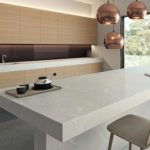

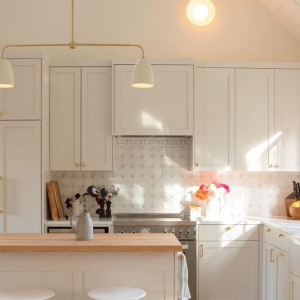
Your kitchen deserves a surface that works as hard as you do. And looks good doing it.
If you've been researching countertop materials lately, you've probably come across quartzite. It's not quartz that's an engineered product made in a factory. Quartzite is a natural stone, formed deep in the earth over millions of years. It starts as sandstone and transforms under intense heat and pressure into something incredibly dense and hard.
Here in Milwaukee, homeowners are making the switch. Older kitchens with outdated laminate or worn granite are getting a full refresh. And quartzite keeps coming up as the material of choice especially for people who want something that's both beautiful and built to last.
If you're considering natural quartzite countertops for your kitchen, this guide is for you. We'll walk through everything from what quartzite actually is, to how to pick the right slab, to what it costs and how to care for it.
What Is Natural Quartzite & Why People Confuse It
Let's clear this up right away.
Quartzite is a natural stone. It's mined from the earth, cut into slabs, and fabricated for countertops.
Quartz (without the "ite") is a man-made surface. It's made from crushed stone mixed with resins and pigments.
They sound similar. That's why so many Milwaukee homeowners get confused at the stone yard. But they perform differently, look different up close, and have different care requirements.
Quartzite is harder than most granite. It's one of the toughest natural stones you can put in a kitchen. And it has that natural veining and movement that no engineered product can truly replicate.
Think of it this way: quartzite is the real thing. And once you see it in person, you'll understand the appeal immediately.
Understanding the Stone Itself
Quartzite starts as sandstone, a soft, porous rock. Over time, heat and pressure deep underground transform it completely. The result is a dense, crystalline stone with interlocking quartz grains.
That process is what makes quartzite so tough. Here's what it means for your kitchen:
- Scratch resistance: Quartzite is harder than granite. Everyday kitchen tasks won't scratch it easily.
- Heat resistance: It handles heat well. Hot pans won't damage the surface the way they might with some other materials.
- Density: It's less porous than marble, making it more resistant to staining when properly sealed.
One thing worth knowing: quartzite varies. Some slabs are denser and harder than others. A good fabricator in Milwaukee will help you understand the specific characteristics of any slab you're considering. Always ask about the porosity level before you commit.
Why Kitchens Look Different With Quartzite
This is where quartzite really shines.
Every slab is unique. The veining, the color, the movement it all comes from the natural minerals present when the stone formed. You'll never find two slabs that look exactly alike.
Color options are wide. The most popular shades include:
- Whites and creams clean, bright, timeless
- Soft grays versatile and modern
- Warm golds and taupes earthy and inviting
- Blue-greens dramatic and distinctive
Some popular varieties homeowners in Milwaukee love include Taj Mahal (warm ivory with soft movement), White Macaubas (crisp white with delicate veining), and Sea Pearl (a silvery tone with flowing gray lines).
The key is seeing slabs in person. Photos don't do quartzite justice. Go to a stone yard and look at full slabs under natural light. You'll see details you'd never catch in a photo.
Finishes That Change the Entire Feel of the Kitchen
Quartzite isn't one-look-fits-all. The finish you choose changes everything about how the countertop feels and functions.
Polishing is the most common. The surface is buffed to a high shine. It shows off the stone's colors and veins beautifully. It's also the easiest to clean.
Honed gives the stone a matte, soft appearance. It's understated and elegant. Some homeowners prefer it because it doesn't show fingerprints or water spots as easily.
Leathered or brushed adds texture. The surface has a subtle, tactile feel. It hides smudges and minor imperfections well. It's a great choice for busy Milwaukee kitchens where the counters see a lot of daily action.
Talk to your fabricator about which finish suits your lifestyle. If you have kids and cook every day, honed or leathered might actually be more practical than polished.
How Quartzite Fits Different Kitchen Styles
Quartzite works in almost any kitchen design direction. That's part of its appeal.
Traditional kitchens with white shaker cabinets look stunning with a warm quartzite like Taj Mahal. The soft veining adds movement without overwhelming the space.
Modern and contemporary kitchens pair beautifully with grayer, more graphic slabs. Think White Macaubas or Fantasy Brown with flat-panel cabinetry and minimal hardware.
Transitional kitchens, the most common style in Milwaukee homes, can go in almost any direction. A neutral quartzite with soft veining bridges the gap between classic and current.
Quartzite also makes a striking waterfall island. When the slab wraps over the edge and continues down the side, the natural veining creates a dramatic, flowing effect that becomes the focal point of the whole kitchen.
What Does It Actually Cost?
Let's talk numbers, because this is what most homeowners want to know.
Quartzite pricing ranges quite a bit. Entry-level slabs start around $60–$80 per square foot installed. Mid-range varieties land between $90–$130 per square foot. Rarer, more exotic slabs with bold colors or unusual patterns can go well above $150 per square foot installed.
So what affects the price? A few things:
- Rarity of the slab: Some quartzites are quarried in very limited quantities. Less supply means higher cost.
- Thickness: Most countertops use 3cm slabs. Going thicker adds cost.
- Finish: Leathered and brushed finishes sometimes cost a bit more to fabricate.
- Edge profiles: A simple straight edge costs less than an ogee or waterfall edge.
- Installation complexity: Large islands, tricky cutouts, and undermount sinks add labor time.
If you're working with a budget, here's a practical tip: ask your Milwaukee fabricator to show you discontinued or (remnant) slabs. These are leftover pieces from previous jobs. You can often get beautiful quartzite at a significantly reduced price great for smaller countertop areas or bathroom vanities.
Understanding Quartzite Countertops Cost upfront helps you plan realistically. Get at least two or three quotes from local fabricators. Pricing varies, and you want to compare apples to apples to make sure each quote includes the same edge profile, sink cutout, and installation.
Quartzite vs. The Competition
Homeowners in Milwaukee often compare quartzite against a few other popular materials. Here's an honest breakdown.
Quartzite vs. Marble: Marble is softer and more porous. It etches easily from acids like lemon juice, vinegar, wine. Quartzite is harder and holds up better in a working kitchen. If you love marble's look but hate the maintenance, quartzite is often the smarter choice.
Quartzite vs. Granite: Granite is a classic, and it performs well. But quartzite often has more movement and visual drama. If you want something that feels more elegant and less "80s kitchen," quartzite tends to deliver.
Quartzite vs. Engineered Quartz: Quartz is low maintenance and very consistent. But it's manufactured. It can't match the depth, uniqueness, or natural character of quartzite. Quartz also doesn't handle extreme heat as well the resins can discolor.
For homeowners who want the real thing with history, character, and craftsmanship quartzite wins.
Finding the Right Slab in Milwaukee
Shopping for quartzite requires seeing it in person. Period.
Start by visiting stone yards and fabricator showrooms in the Milwaukee area. Look at full slabs not samples. A 4-inch sample tile cannot tell you what a full slab will look like across an 8-foot island.
Here's what to look for when you're at the yard:
- Consistency: Are the veins evenly distributed? Are there large weak spots or fissures?
- Color match: If you need more than one slab (for a large kitchen), make sure they're from the same lot. Natural stone varies between quarries and even between blocks.
- Finish quality: Run your hand across the surface. A polished slab should feel completely smooth with no rough patches.
Ask the yard staff where the stone was quarried and when it arrived. Fresh inventory is usually in better condition than slabs that have been sitting outside for a year.
A great way to find reputable suppliers is to explore trusted stone countertop options in Milwaukee, ask your designer or contractor for referrals, or check local remodeling forums for recommendations from homeowners who've done this recently.
Installation What to Expect
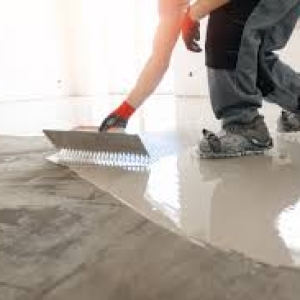
Quartzite is heavy. A single slab can weigh several hundred pounds. This isn't a DIY project.
You need a skilled fabricator — someone who has experience cutting and finishing natural stone. Quartzite is harder than marble, which means it requires specialized equipment and technique.
Here's what the installation process typically looks like:
- Template creation: The fabricator measures your countertop space precisely usually with a digital templating tool.
- Slab selection and cutting: The slab is cut to your specs in the shop.
- Edge finishing: Your chosen edge profile is applied.
- Delivery and installation: The pieces are brought to your home and installed. Seams are joined and polished.
- Sealing: A penetrating sealer is applied to protect the surface.
The whole process from template to installation usually takes one to two weeks in Milwaukee, depending on fabricator availability and slab sourcing.
Sealing and Daily Care
Quartzite needs sealing. This is non-negotiable for a kitchen surface.
A quality penetrating sealer fills the pores of the stone and makes it resistant to staining. Most quartzite countertops need to be resealed once a year sometimes more, depending on porosity and how heavily the kitchen is used.
Here's how to test if it's time to reseal: drop a few beads of water on the surface. If the water beads up, the seal is still good. If the water soaks in or darkens the stone, it's time to reseal.
For daily care:
- Wipe up spills immediately, especially oils, wine, and acidic liquids.
- Use a mild dish soap and warm water for everyday cleaning.
- Avoid abrasive scrubbers; they can dull a polished surface over time.
- Don't use bleach, ammonia-based cleaners, or anything highly acidic.
The good news: quartzite is forgiving. Unlike marble, minor neglect won't immediately ruin the surface. But consistent care keeps it looking beautiful for decades.
Practical Tips Before You Buy
A few things experienced Milwaukee homeowners wish they'd known before their countertop project:
- See it in natural light. Showroom lighting is often flattering. Take your phone, take photos, and look at them outside in daylight.
- Ask about porosity specifically. Not all quartzite is equal. Ask the fabricator to test the slab's porosity before you commit.
- Budget for sealing maintenance. It's not expensive, but factor it in. Professional sealing in Milwaukee typically runs $100–$250 depending on countertop size.
- Confirm your fabricator's experience with natural stone. Not every countertop shop has worked extensively with quartzite. Ask to see past projects.
- Don't rush the slab selection. Take your time. The slab you choose will be in your kitchen for twenty years or more. It's worth the extra visit to the stone yard.
For homeowners who want a surface that's durable, beautiful, and worth the investment, quartzite consistently delivers on all three fronts.
Conclusion
Quartzite is one of those materials that rewards the people who take time to understand it.
It's not the cheapest countertop option. It requires a bit of care. And shopping for slabs in person takes time. But the result a one-of-a-kind, natural stone surface that will last a lifetime is worth every bit of effort.
Milwaukee homeowners who've made the switch often say the same thing: they wish they'd done it sooner.
If you're planning a kitchen upgrade, start by visiting a local stone yard. Touch the slabs. Stand back and imagine them in your space. Ask questions. Talk to a fabricator who knows natural stone well.
Your kitchen is the heart of your home. It deserves a surface that's just as exceptional.